Germany funds 50,000 attack drones as allies meet on air defence
Western leaders are meeting in Paris to secure air defences for Ukraine while Germany finalises a €90m order for attack drones, signalling a major ramp-up in European defence industrial output.
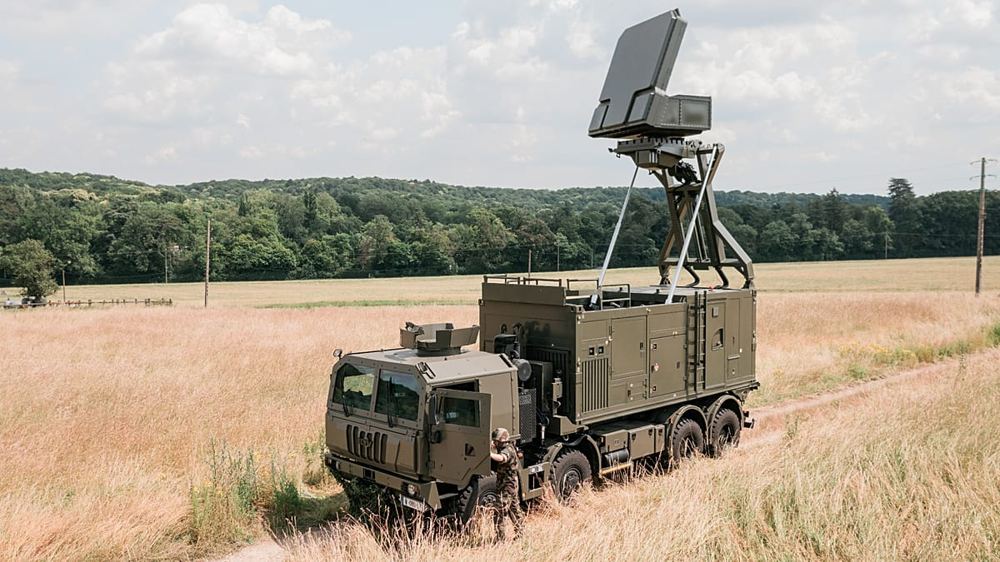
Western leaders are gathering in Paris today to coordinate air-defence commitments for Ukraine, a meeting aimed at addressing critical shortages that have left the country exposed to Russian ballistic missiles. The summit coincides with a major European arms purchase, where Germany has funded an order of 50,000 attack drones worth about €90 million.
The contract involves Shrike first-person-view drones produced by Ukrainian manufacturer SkyFall, equipped with autonomous tracking software from US defence firm Auterion. Auterion CEO Lorenz Meier confirmed the details of the order, noting that his company is helping supply a total of 100,000 drones to Ukraine this year alongside various hardware makers.
At the Paris meeting of the Coalition of the Willing, attended by at least 25 leaders, officials will focus on securing additional US Patriot interceptors and advancing the Franco-Italian SAMP-T system. A French presidency official indicated that European nations are also exploring a jointly developed system to complement existing defences.
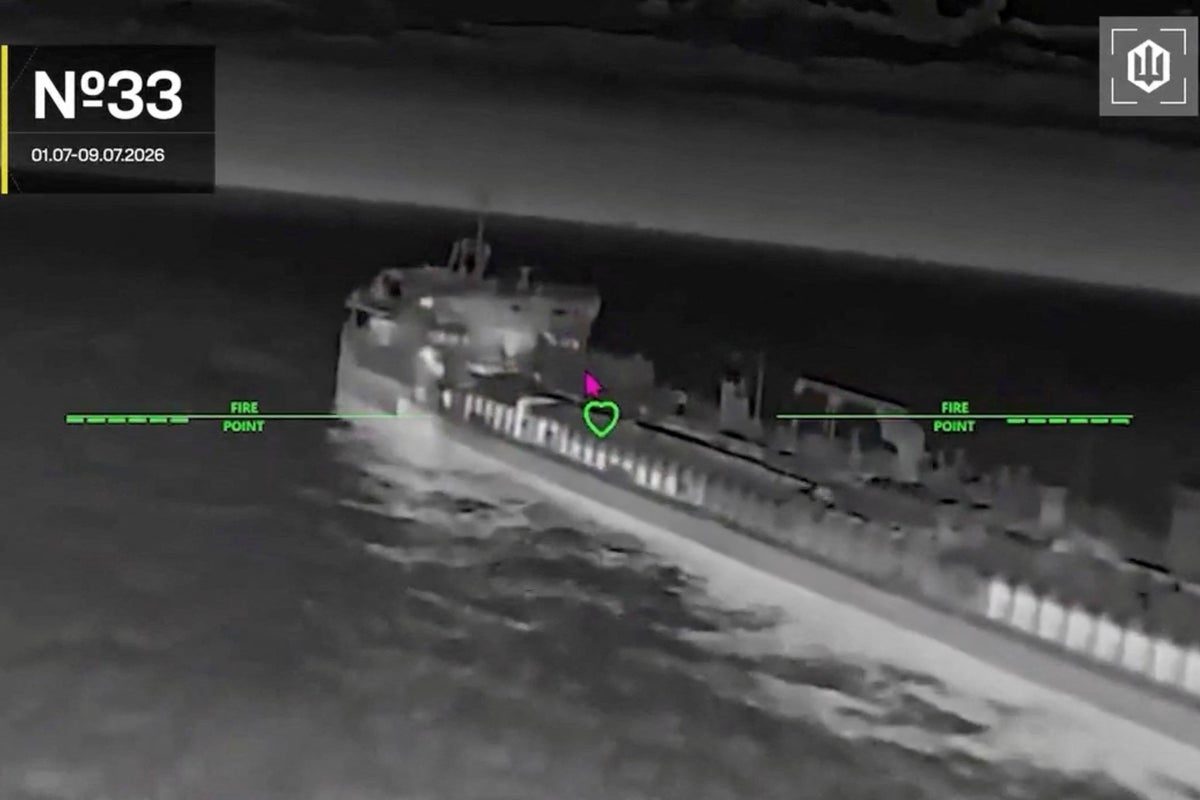
This industrial ramp-up mirrors Ukraine's escalating campaign against Russian energy logistics, which has forced Moscow to halt shipping in the Sea of Azov. Drone forces chief Robert Brovdi said Ukrainian units hit 10 tankers and four ferries overnight, alongside a major oil refinery in Syzran.
The strikes on more than 40 tankers in recent weeks are designed to disrupt fuel supplies to Russian forces and isolate occupied Crimea. "The ballistic missiles launched by (Russian president) Vladimir Putin are deliberately targeting civilian zones and June was one of the most murderous (months) since the start of the war," French foreign minister Jean-Noel Barrot said ahead of the summit.
Economic pressure on Moscow is also extending to the diplomatic front, though EU foreign policy chief Kaja Kallas said member states have not yet reached an agreement on a broader 21st sanctions package. However, ministers in Brussels are expected to approve adding 250 Russian individuals and entities to the sanctions list.
Kallas noted this would be the largest single expansion of targeted restrictions to date. Separately, France announced it will summon the Russian ambassador over an alleged hacking campaign. "We are going to publicly condemn a widespread cyber campaign carried out by Russia against at least 10 European countries," Barrot told BFM TV, highlighting the broader security risks to the continent.