SK hynix raises $26.5bn in landmark Nasdaq listing
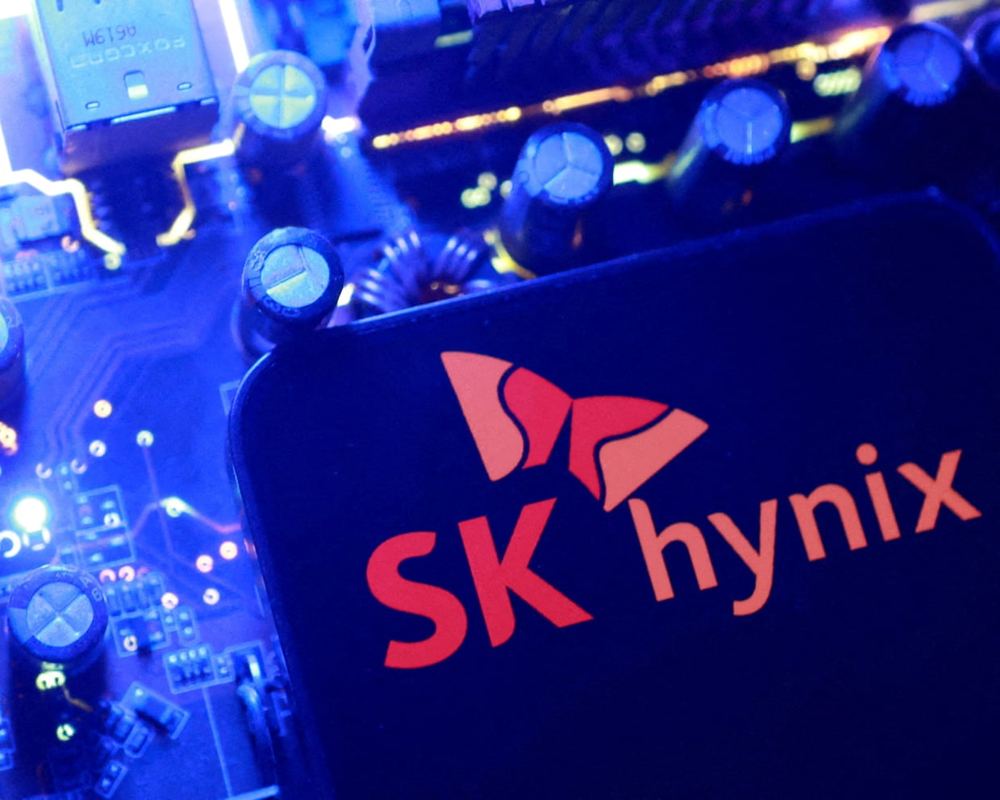
South Korean chipmaker SK hynix has raised $26.5bn on the Nasdaq to fund an expansion of AI memory production, a move that highlights the capital squeeze driving up consumer electronics prices in Europe and beyond.
SK hynix priced its US share sale on Friday at $149 per American depositary share, raising $26.5bn. The offering of 177.9 million depositary shares was more than seven times oversubscribed. It marks the third-largest initial public offering globally, surpassing the debuts of Saudi Aramco and Alibaba but falling short of SpaceX’s recent $75bn raise.
The listing arrives despite a recent tumble in technology stocks driven by concerns over overheated valuations and uncertain returns on massive AI investments. SK hynix, whose shares have climbed more than 220 percent this year in Seoul, crossed the $1tn market capitalisation threshold in May. It joins domestic rival Samsung Electronics and US firm Micron in an elite, historically American-dominated club of trillion-dollar companies.
The company’s fortunes are tied directly to Nvidia, to which it supplies high-bandwidth memory chips required for artificial intelligence datacentres. However, as SK hynix and its rivals divert manufacturing capacity to these lucrative AI components, standard memory chips have become scarce. This shortage is already filtering down to consumers, with Apple increasing prices for MacBooks and iPads.
The offering was led by BofA Securities, Citigroup Global Markets, Goldman Sachs and JP Morgan Securities. SK hynix will use the proceeds to build a fabrication hub in Yongin and an advanced packaging facility in Cheongju, aiming to overtake Samsung in the global memory market. “Along with the HBM leadership it has demonstrated until recently, the company is now planning to take the lead in terms of volume as well,” said MS Hwang of Counterpoint Research. “Funds from its US listing can support such a goal.”
The company is also part of a massive 800tn won public-private investment to build a new chip hub in southwest South Korea. The blockbuster sale is the latest illustration of how the AI race is concentrating wealth and industrial capacity in Asia and the US. In South Korea, the chip boom has sparked national debates over how to spend a resulting tax windfall and prompted intense labour negotiations, with Samsung recently averting a strike by agreeing to new bonus structures.