Paris couture week spotlights luxury leadership shifts
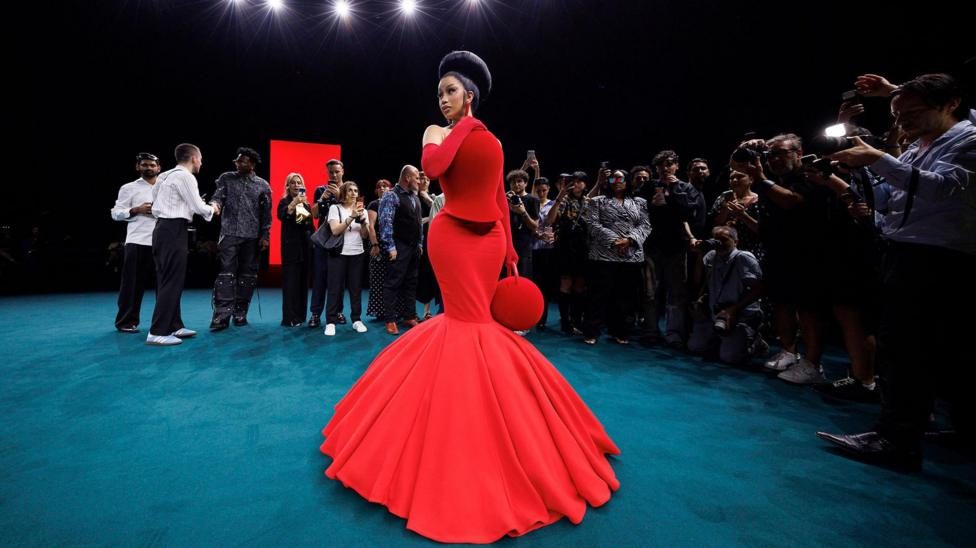
Paris Haute Couture Week 2026 has become a testing ground for newly appointed creative directors at France's most powerful luxury houses, signalling strategic pivots vital to the sector's economic future.
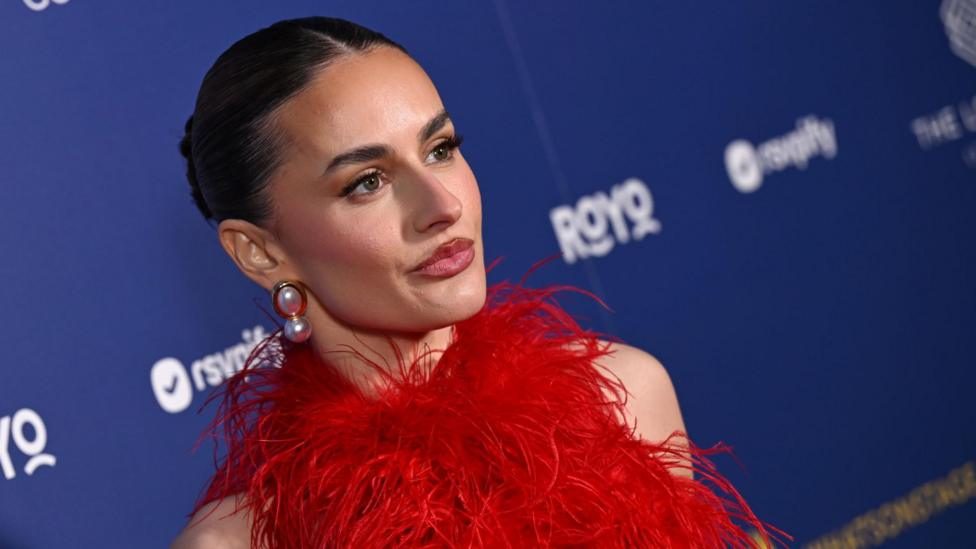
Paris Haute Couture Week unfolded over four days under a severe heatwave, drawing celebrities including Bad Bunny, Sabrina Carpenter, Cardi B and Hudson Williams to the French capital. The biannual event, controlled strictly by the French fashion industry's governing body, remains the ultimate marketing vehicle for the country's luxury conglomerates. This season, the bespoke garments—each requiring hundreds of hours of manual labour—served a broader corporate purpose by testing new creative leadership.
The most significant corporate transition occurred at Balenciaga, where Pierpaolo Piccioli presented his first couture collection. The former Valentino designer grounded the house by honouring founder Cristóbal's signature shapes and flowing textures, with Gigi Hadid anchoring the outdoor runway in a black feather cocoon. The breathable designs offered practical relief during the heatwave while signalling a stabilised brand direction to luxury investors.
Jean Paul Gaultier also showcased a new permanent creative lead. Duran Lantink, appointed in April last year, delivered his inaugural haute couture show centred on transformation and high theatre. By reimagining Marie Antoinette in a modern setting, Lantink attempted to carve out a distinct commercial identity for the heritage brand.
At Chanel, artistic director Matthieu Blazy pivoted towards escapism. Models walked among vines and beanstalks, with one carrying a book of fairy tales once owned by Coco Chanel. The whimsical aesthetic, featuring intricate floral designs, reinforces Chanel's strategy of leveraging deep historical archives to maintain its premium market positioning.
Jonathan Anderson's couture showing for Dior was partially overshadowed by a strategic public relations victory. It was revealed that Anderson designed the bridal looks for Taylor Swift and Travis Kelce's wedding. On the runway, Anderson focused on sculptural, accordion-like dresses inspired by American artist Lynda Benglis, though the bridal-adjacent designs left markets guessing about Swift's unseen gown.
Smaller maisons used the week to showcase technical innovation that drives the sector's prestige. Schiaparelli's Daniel Roseberry presented "The Call of the Void", which he described as "a total surrender to an unknown creative process", dressing Bad Bunny in a butter yellow suit and Emma Corrin in a talon-adorned feather jacket. Iris van Herpen inserted charged gas particles into glass tubes to create glowing plasma dresses, stating the scientific collection "is about those forces that are influencing us in daily life but that we don't know so much about." Alexis Mabille focused on duality, presenting garments that transformed from one style to another in black, silver and gold.