Hormuz tanker traffic collapses after latest US-Iran strikes
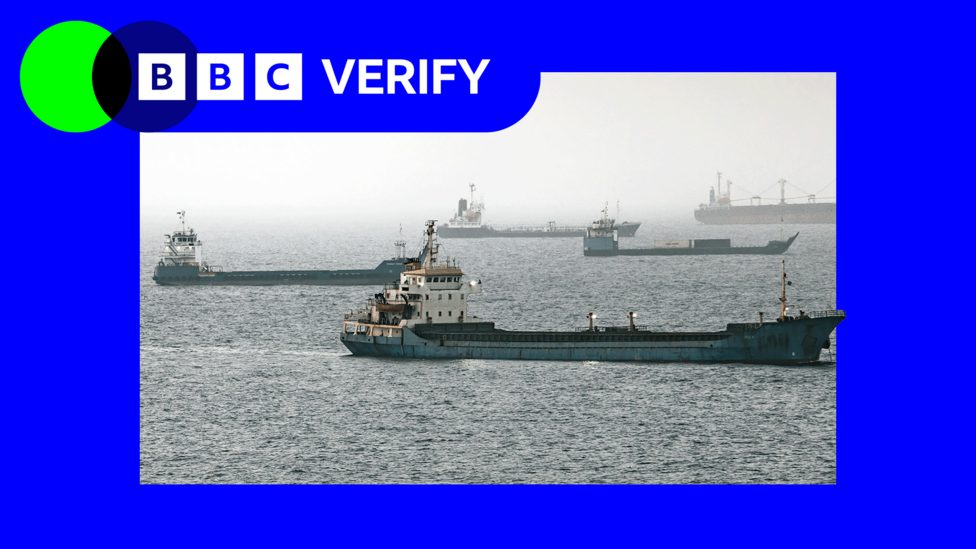
Shipping through the Strait of Hormuz has collapsed after Iran attacked three tankers, threatening European energy and fertiliser supplies and rendering a US-brokered peace deal effectively dead.
Only 23 tankers and cargo ships crossed the Strait of Hormuz on Wednesday, according to maritime intelligence firm Kpler. This represents a steep fall from 47 ships a week earlier and a pre-conflict daily average of 138. The immediate trigger was Iran's attack on three vessels near Omani waters: a Qatar-owned liquefied natural gas tanker, a Saudi-owned crude oil tanker and a Liberia-flagged crude tanker.
For European markets, the Strait of Hormuz is perhaps the most critical physical chokepoint for energy and agricultural supply chains. More than a fifth of the world's oil and gas passes through the waterway, alongside vital fertiliser shipments. The near-halt in traffic along the US-recommended Omani route, zero vessels used it on Wednesday, down from three the day before, signals that predictable, unimpeded shipping will not return in the near term.
The attacks stem from a fundamental dispute over who controls the strait. For decades, vessels enjoyed free passage. Following a 17 June peace deal, Iran dictated that all traffic must use specific lanes near its coast. "The only safe route for the passage of commercial ships and oil tankers in the strait is the route determined by the Islamic Republic of Iran," Iran's Khatam al-Anbiya Central Headquarters reiterated this week. European governments, alongside the US and Asian allies, reject this assertion and demand a return to free passage.
Diplomacy in ruins
The June memorandum of understanding committed Tehran to "use its best efforts for the safe passage of commercial vessels with no charge for 60 days". Instead, the truce has unravelled rapidly. At the Nato summit on Wednesday, US President Donald Trump said the deal was "over", though negotiations could continue. Iran has accused Washington of violating the agreement first by revoking a US Treasury licence that had temporarily eased sanctions on Iranian oil exports.
"The US had clearly hoped that the generous, some would argue overly generous, financial incentives in the deal would discourage Iran from using shipping in the Strait of Hormuz as leverage," said Jennifer Parker, a maritime security expert at the University of New South Wales. "It will now need to rethink that approach."
Parker noted that neither economic relief nor military punishment has changed Iran's behaviour, leaving investors and shipping firms to plan for a volatile status quo. "There will now be a bit of back and forth between the US and Iran before they make friends again," said Martin Kelly, senior intelligence analyst at EOS Risk Group. "Shipping will peak and trough cautiously until Iran attacks another ship and the cycle starts again."