Berlin eyes part-time sick leave to plug 15.3bn euro health gap
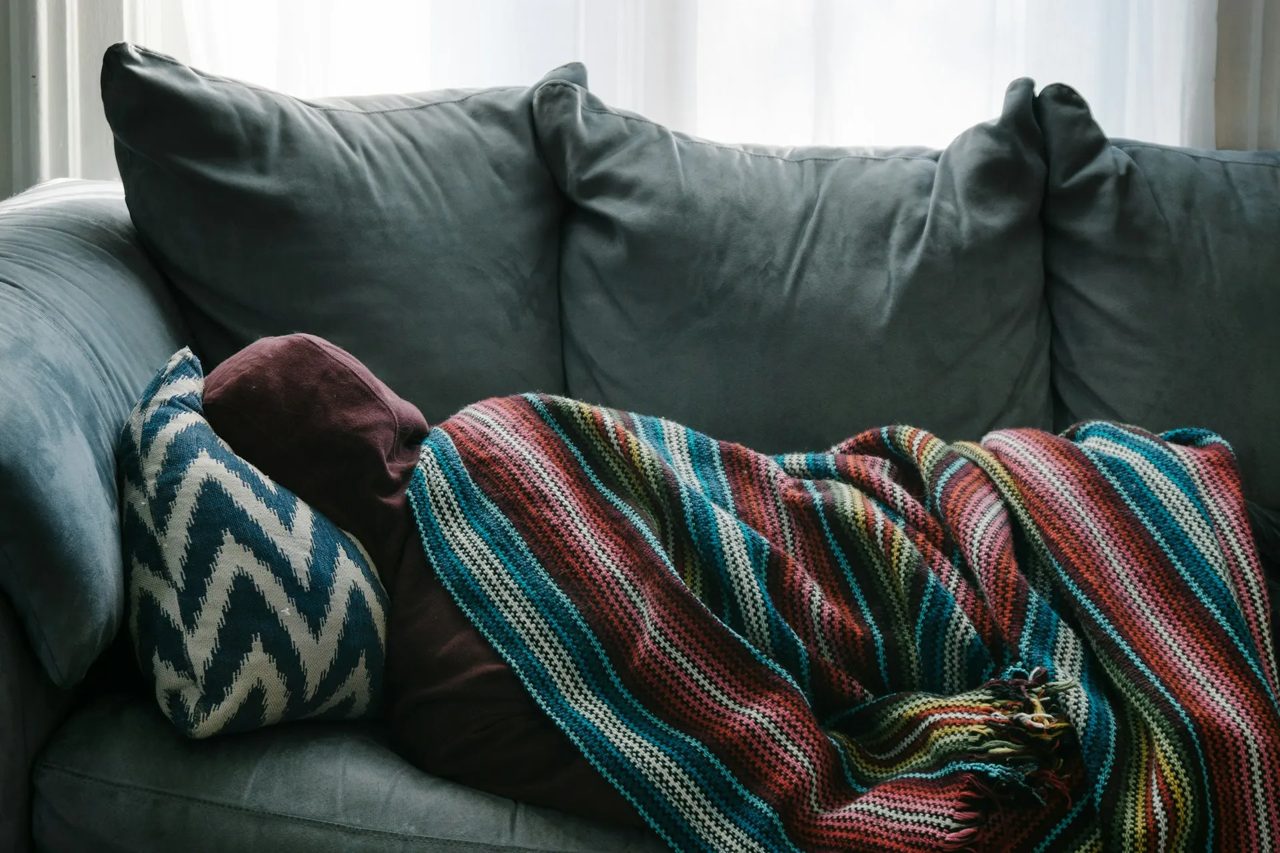
Germany is set to pass a healthcare overhaul allowing part-time sick leave from 2028, a bid to reduce chronic workplace absences that are straining both corporate productivity and a health insurance system facing a €15.3 billion deficit.
The German parliament is expected to pass a sweeping healthcare reform bill on Friday that introduces the option of "part-time sick leave" for long-term illnesses. Set to take effect in July 2028, the measure would allow employees to work reduced hours, 25, 50, or 75 percent of their usual schedule, while receiving a proportional top-up from statutory sick pay.
The mechanism targets workers transitioning off employer-paid sick leave after six weeks. Statutory sick pay normally replaces 70 percent of gross income, capped at €135.63 per day. Under the new rules, a worker doing half their hours would receive half that statutory entitlement, topped up by their employer for the hours actually worked.
The reform gives companies an effective veto over these arrangements. If an employer rejects the reduced schedule or fails to respond within seven days, the employee is classified as fully unfit. Furthermore, businesses face no legal obligation to modify the workplace to accommodate the part-time hours.
The policy addresses a specific economic vulnerability in Europe's largest economy. German workers took an average of 19.5 days of sick leave in 2025, with 54 out of every 1,000 employees signed off on any given day. Chancellor Friedrich Merz framed the reform as an economic necessity. “We can no longer afford this competitive disadvantage caused by long absences at work," he said.
Curbing these absences is also a fiscal imperative for Berlin. Statutory health insurers are currently staring down a €15.3 billion budget shortfall, a figure projected to reach €40 billion by 2030 if left unchecked. Reducing reliance on full statutory payouts is a central pillar in a legislative package designed to claw back €16.3 billion for the strained system.
The same bill mandates sick notes from the first day of illness and ends telephone consultations for them. Medical professionals have fiercely criticised these accompanying measures. Nicola Buhlinger-Göpfarth, Chair of the Association of General Practitioners, told the Rheinische Post the bill is a "complete fiasco for GP practices and their patients."
While the legislation is favoured to clear the Bundestag, the Bundesrat could still force delays by referring it to a mediation committee. Separate proposals, including a tax on sugary drinks and safeguards for psychotherapy access, have been pushed to autumn negotiations.