Stiles inquest deepens legal pressure on football authorities
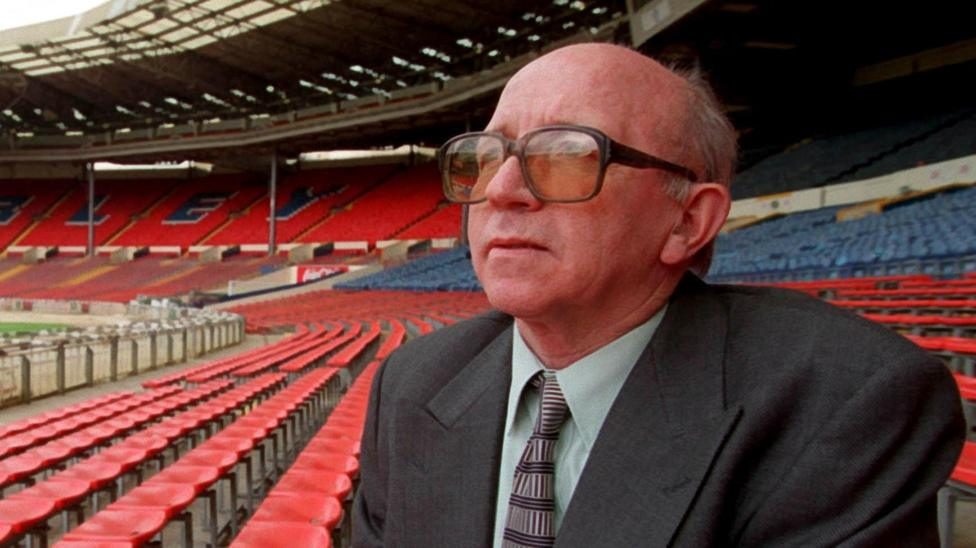
A coroner’s decision to hold an inquest into Nobby Stiles’ death from brain disease intensifies the legal and financial reckoning facing English football authorities over historical head injuries.
A coroner has ordered a full inquest into the death of England World Cup winner Nobby Stiles after a neuropathologist found a traumatic brain injury contributed to his death. Area coroner Chris Morris told Stockport coroner's court that the inclusion of such an injury in the cause of death legally required a formal investigation.
Stiles died in 2020 from Alzheimer's disease, but Dr Daniel du Plessis concluded his death was also contributed to by high-stage chronic traumatic encephalopathy (CTE), stage three limbic predominant age-related TDP-43, and small vessel cerebrovascular disease. The presence of CTE, a condition linked to repeatedly heading footballs, has placed English football’s governing bodies under intense legal and financial scrutiny.
Dozens of former players and their families are currently suing the Football Association, the Football Association of Wales, and the English Football League. The claimants argue the authorities were negligent and in breach of their duty of care, asserting that the risks of heading were known for decades. This class-action litigation threatens to impose heavy financial liabilities on the sport's institutions.
The economic burden of these health failures has so far fallen directly on the players and their families. John Stiles, who leads the Football Families for Justice group, said football had "killed" his father. He noted that the former Manchester United midfielder was forced to sell his winner's medals to fund his dementia care.
This inquest follows a similar ruling in January into the death of former defender Gordon McQueen, where a coroner found heading the ball was "likely" to have contributed to his fatal brain injury. Despite this precedent and a 2019 study it co-funded showing former players are three-and-a-half times more likely to die of neurodegenerative disease, the FA is contesting the claims. In March, FA lawyers told the High Court it has "not been established by science" that heading a ball causes permanent brain damage.
While the FA defends itself against historical claims in court, it is attempting to mitigate future risks. The governing body is phasing out all heading in youth football up to the under-11 level by 2026. The inquest into Stiles’s death is scheduled to be held on Wednesday.