Packham's Evolution series highlights economic climate risks
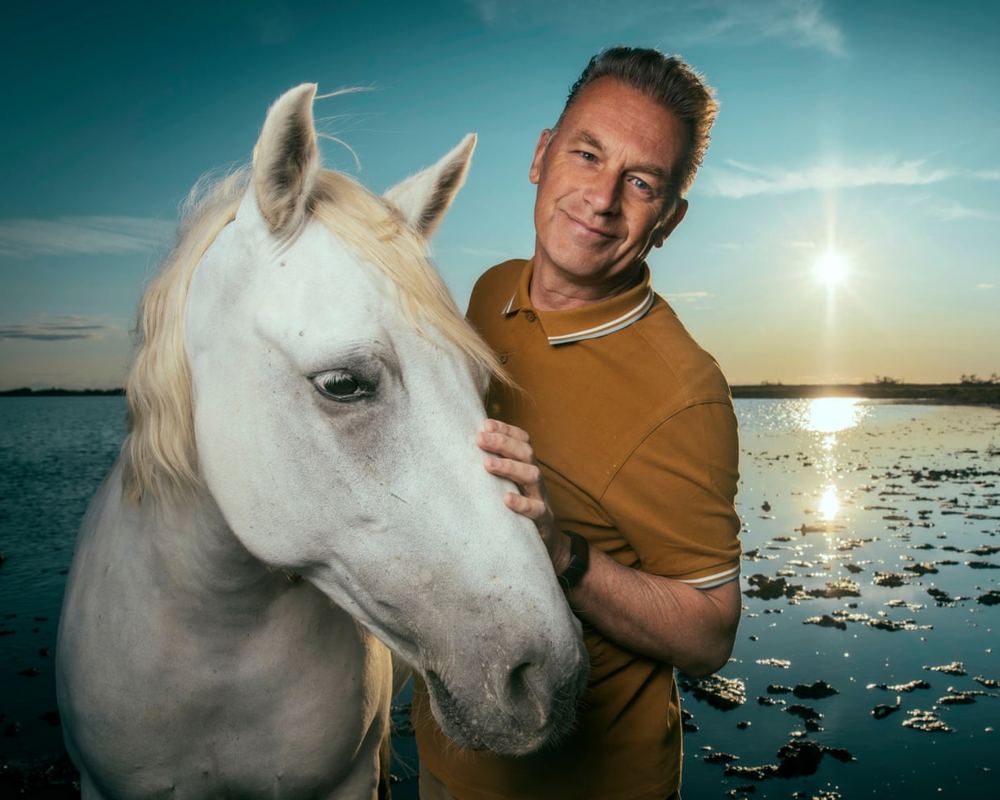
Broadcaster Chris Packham is using his new five-part television series to challenge human exceptionalism and underscore the severe economic and security threats posed by the destruction of the natural world.
Broadcaster Chris Packham has released a new five-part television series, Evolution, which traces the journey of the Last Universal Common Ancestor, the single-celled organism from 4.2 billion years ago that connects all modern living things. Rather than a standard natural history programme, the series is designed to dismantle the idea that human beings are the logical endpoint of evolutionary history. Packham argues that this anthropocentric view has blinded society to the profound risks of its own actions.
The television series arrives alongside Packham's direct lobbying of the political and business establishment. Last year, he hosted a National Emergency Briefing where 10 experts warned 1,200 MPs and business leaders about the concrete impacts of climate breakdown on health, food, national security and the economy. The resulting film, The People’s Emergency Briefing, details the granular realities of ecosystem collapse, moving beyond abstract environmentalism to frame biodiversity loss as an immediate commercial and civic hazard.
Evolution uses specific animals to explain biological milestones, breathing through the elephant, eating through the bat, and thinking through the dolphin. To explain sustenance, the series highlights the bat, which must consume its own bodyweight in insects every day. Packham emphasises that human cultural evolution, including the invention of the combustion engine and artificial intelligence, will have a profound effect on our species.
Packham draws a sharp distinction between natural extinction and current ecological collapse. "What we’re doing is not a mass extinction event, it’s a mass extermination event," he says. "We are consciously aware of the fact that we are destroying life." He points out that one in six species in the UK is currently at risk of extinction due to human activity.
Despite the grim data, Packham rejects the pessimistic view that humans are merely a scourge on the planet. He notes that while humans have invented damaging practices, this must be considered as much a part of the evolutionary process as anything else. The series concludes with a call for "an evolution of human hope," advocating for a shift in mindset to allow humans to live more harmoniously on Earth.