Poland’s first offshore wind farm begins powering the grid
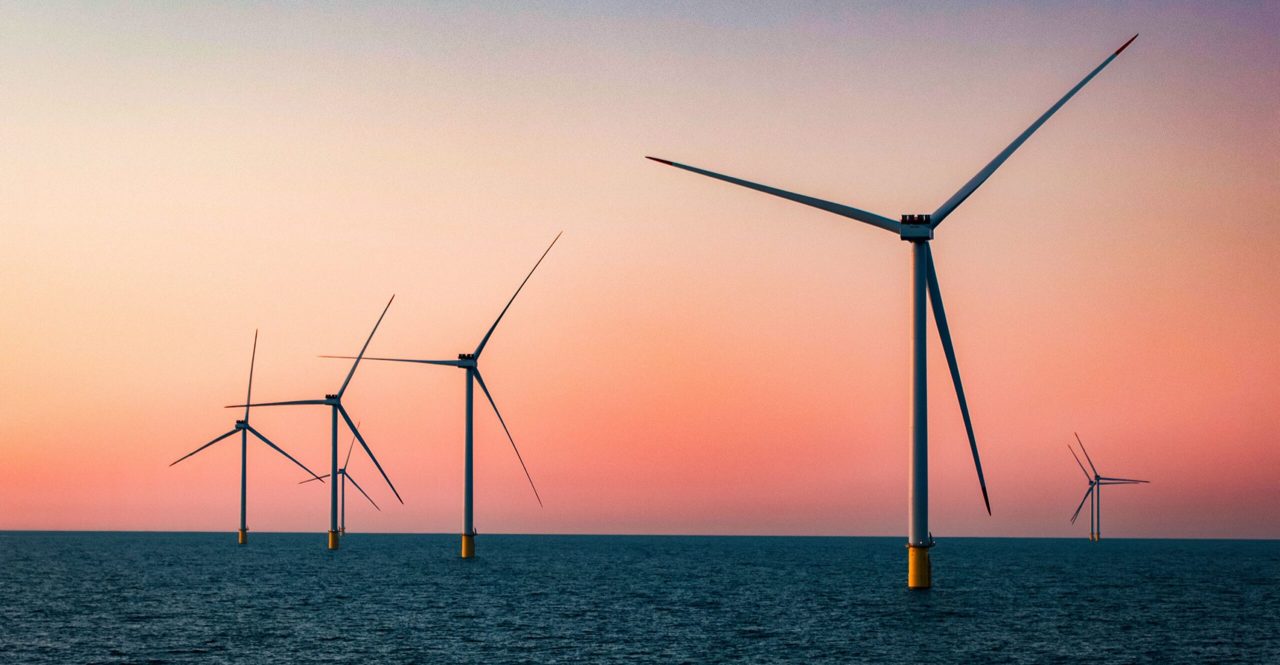
Poland has connected its first offshore wind turbines to the grid, marking a critical step in the EU’s most coal-dependent economy shifting toward energy security and renewable power.
Poland’s first offshore wind farm has begun delivering electricity to the national grid. The Baltic Power facility currently has 54 turbines installed and is scheduled to be fully operational by autumn this year with a total capacity of 1.2 gigawatts. Once complete, it will generate 4 terawatt-hours annually, meeting roughly 3% of Polish electricity demand and powering the equivalent of 1.5 million homes.
The project is a joint venture between state-controlled energy group Orlen and Canadian firm Northland Power. It represents the vanguard of a much larger industrial build-out along the Baltic Sea coast. Five additional farms are planned, including partnerships with Norway’s Equinor and Polish firm Polenergia, which will bring combined offshore capacity to just over 6 gigawatts.
For investors and European energy markets, the scale of Poland’s pivot is significant. The country still generates around half of its electricity from coal, the highest proportion in the European Union. Under a national climate plan approved last month, Poland intends to source 18-21% of its power from offshore wind and 22-27% from onshore wind by 2040, reducing coal to between 0% and 5%.
Government backing is underpinning this transition. Last December, Poland’s energy regulator held its first offshore wind auction, awarding 25-year guaranteed price contracts to three projects totalling 3.4 gigawatts. These contracts protect investors from price drops while allowing the state to recoup excess revenues, creating a stable environment for the billions of euros required.
Prime Minister Donald Tusk framed the milestone as a matter of national security. “Polish wind will blow regardless of what happens in Iran or Moscow,” he said, linking the project to the energy crises caused by Russia’s invasion of Ukraine and Middle Eastern instability. He called it a “technological victory” for those who believed Poland could become a leader in modern energy.
Realising these ambitions requires massive infrastructure upgrades, heavily funded by the EU’s post-pandemic recovery funds. While renewables now account for over half of Poland’s installed power capacity, their intermittent nature means they produce less than a third of actual electricity. Energy minister Paulina Hennig-Kloska acknowledged that offshore wind is pricier than onshore turbines or solar, but noted it “competes well with gas and coal.”
The offshore build-out enjoys rare cross-party support, having been initiated by the previous Law and Justice administration and continued by Tusk’s coalition. However, onshore wind expansion faces political headwinds after President Karol Nawrocki vetoed legislation last year to loosen building restrictions. To compensate, the government is planning its first nuclear power plant in the same coastal district as the new wind infrastructure.