AI coding surge makes design the new startup moat
As AI slashes the cost of building software, early-stage startups are finding that hiring a founding designer is now critical to building a defensible competitive advantage.
AI performance on a key coding benchmark jumped from 60% to nearly 100% in a single year, according to a recent Stanford report, while organizational AI adoption reached 88%. For European startups and investors, this rapid acceleration means the barrier to entry for software has effectively collapsed. The challenge is no longer simply building a working product, but convincing users to adopt it.
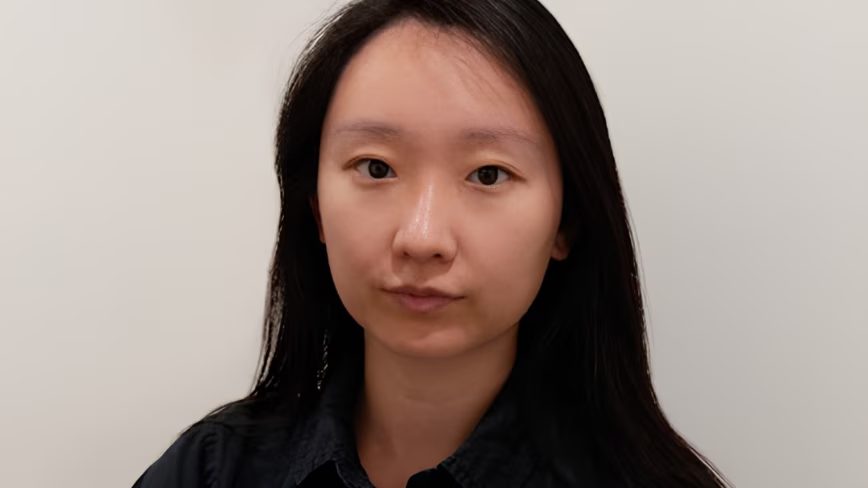
"The speed of AI development has changed what companies compete on," says Tingyu Su, founding designer at Silicon Valley healthcare AI startup Youlify. "Building an early product is becoming more accessible. Creating a brand and experience that people immediately understand, trust, and remember is where lasting differentiation begins."
Su argues that AI startups must treat the founding designer as a strategic hire from day one. This role connects product development, branding, and customer experience into a cohesive whole before a company has the structure for highly specialized roles. Customers often form opinions well before using the technology, making consistent branding across websites, conference booths, and marketing materials vital to earning trust.
Expectations for early-stage products have evolved alongside AI capabilities. Su, whose background spans the Museum of Modern Art, the Guggenheim, and includes an iF Design Award and published research at CHI 2025, notes that functional software alone rarely earns confidence anymore. Instead, she encourages founders to build a Minimum Lovable Product that is clear and trustworthy from the first interaction.
"A product does not need dozens of features to make an impression," Su says. "Sometimes one carefully designed experience that clearly solves a real problem creates far more confidence than a long list of capabilities people never fully understand."
The role of the designer is expanding to meet this demand, moving beyond traditional responsibilities into branding, product strategy, and engineering. Su advises founders to hire for curiosity, initiative, and systems thinking. For a European tech sector looking to scale globally, mastering this consistency may be the most reliable way to stand out in an increasingly crowded AI market.
"The companies people remember are the ones that make every interaction feel intentional," Su says. "Technology will continue to evolve, but trust is built through experiences that feel consistent from the first impression to the product itself."