Ubisoft leans on nostalgia with Black Flag remake amid studio closures
The release of Assassin's Creed Black Flag Resynced highlights how major European games developers are using remakes to fill revenue gaps left by longer production cycles and recent cost-cutting.
Ubisoft has released Assassin's Creed Black Flag Resynced, a graphical overhaul of its 2013 pirate-themed hit, priced at £50. The launch arrives at a difficult time for the French publisher, which began 2026 by closing two studios, cancelling six titles and delaying seven others.
The remake is not merely an exercise in nostalgia but a calculated financial strategy for a company navigating the modern economics of game development. "The big video games are taking longer to make, and to fill gaps in the schedules, you're getting major companies turn to older classics, dusting them off and sometimes updating them for a modern era," said gaming expert Christopher Dring. "These games are typically very successful... as an industry, this remake, remaster, nostalgia business has become big."
Ubisoft is betting on a proven property to execute this strategy. The Assassin's Creed franchise has sold an estimated 230 million copies, with the original Black Flag widely regarded as a high point. "The world and the characters of Black Flag is what made it so appealing," said Andy Farrant, co-editor of YouTube channel Outside Xbox. "The chance to dip back into that world with some shiny new visuals and more screentime for fan favourite characters like Edward Kenway, Anne Bonny and Stede Bonnet can only be a good thing."
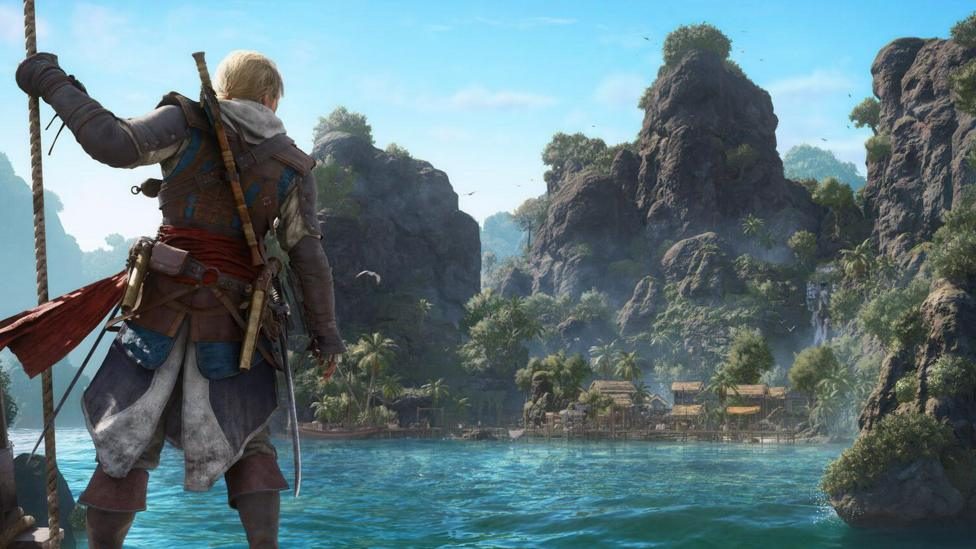
The product itself reflects a balance between cost efficiency and modern market expectations. Developers updated the visuals, replacing darker aesthetics with bright Caribbean colours, and blended modern combat mechanics with the original's timing-based system. However, the £50 price point notably undercuts the £70 standard set by upcoming releases like Grand Theft Auto VI, suggesting Ubisoft is using aggressive pricing to drive volume for an older core experience.
If successful, the remake could provide immediate financial relief and establish a production template for future projects. The company preserved Welsh actor Matt Ryan's performance while updating assets, demonstrating how remakes can monetise existing intellectual property without the overhead of building a world from scratch. For Ubisoft and its investors, the question is no longer whether players want remakes, but how quickly the next one can arrive.