Deadly Spain wildfire exposes flaws in rural alert systems
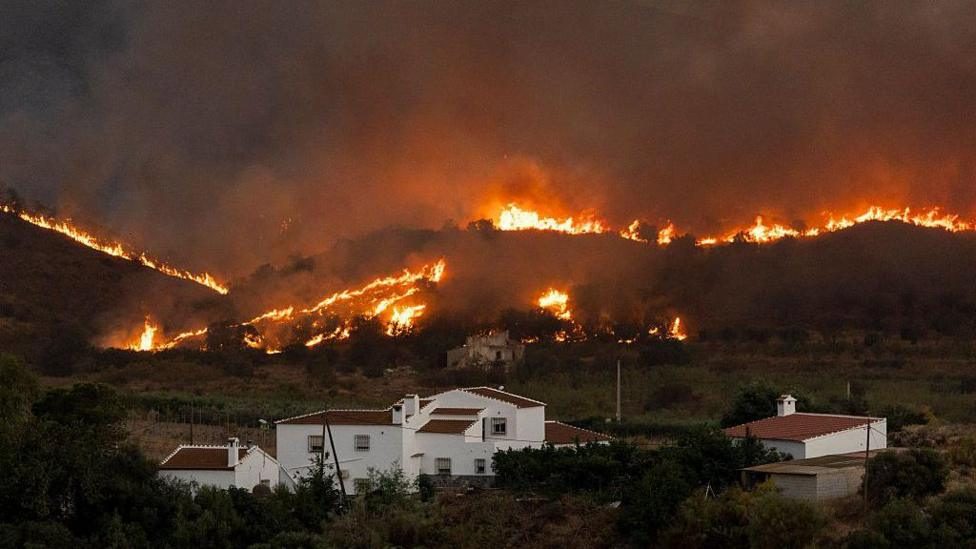
Twelve people died in a rapidly spreading Spanish wildfire that has exposed severe gaps in Europe's emergency warning systems as climate change fuels more intense blazes.
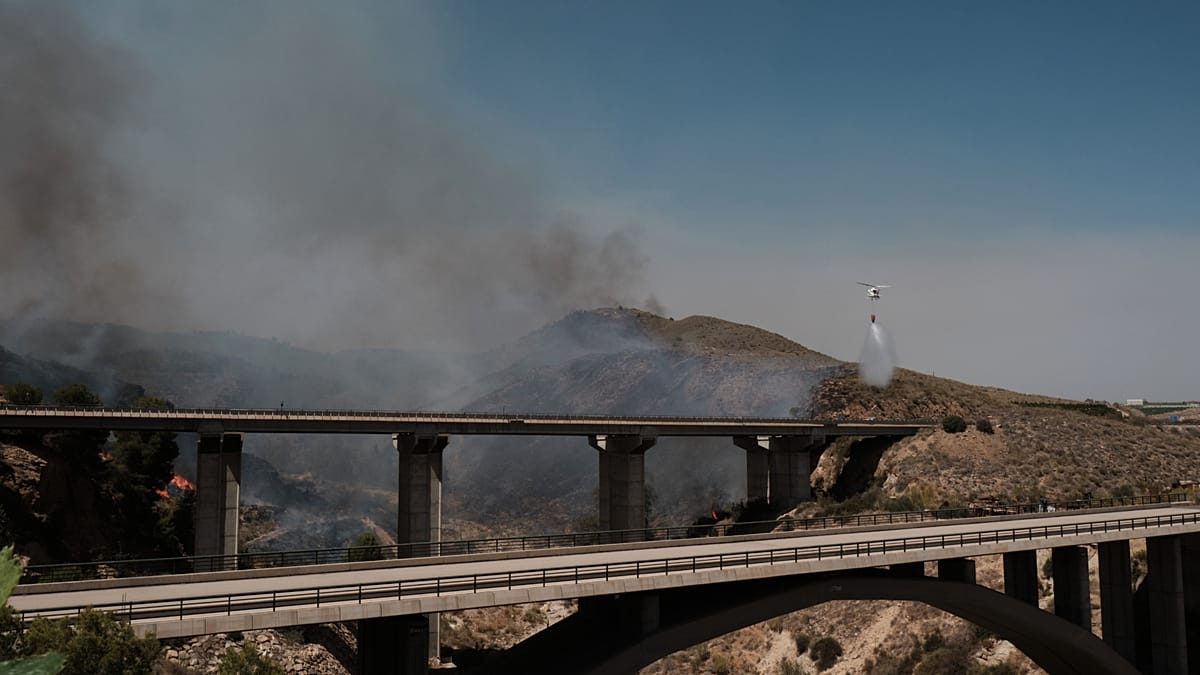
A wildfire in Spain's Almería province has killed 12 people, including four Britons and a Belgian national, making it one of the deadliest in the country's history. Firefighters have now contained the blaze, which burned through 7,000 hectares of land during a sustained 40C heatwave. Around 600 of the 1,500 evacuated residents have been allowed to return to their homes.
Among the survivors are a British couple found semi-conscious with severe burns covering 40% of their bodies in a ravine near the worst-hit village of Bédar. Civil Guard officers located them early on Friday after hearing distant cries. "Being able to call out in the condition they were in was a titanic effort," said Rafael Zea, one of the rescuing officers.
The tragedy has sparked a fierce debate about emergency preparedness in rural Europe. Relatives of the dead have strongly disputed claims by local authorities that victims ignored official evacuation advice or failed to use designated escape routes.
Thomas-Wolf Verdonckt, whose 63-year-old father Stanislas died in the fire, said his family received "no official warning" or evacuation commands before the flames reached Bédar. When they tried to use the main road, they found it inaccessible. "It was out of their hands," Verdonckt told Reuters. "It's not fair on them that they are [blamed] when it was not their choice to begin with."
Resident Emma Mitchell also challenged the official narrative, noting there had never been prior information distributed about local evacuation routes. She criticized the decision not to deploy a mobile phone alert system. "I think they should have done the mobile alert, as they do for earthquakes," Mitchell said, noting the scarcity of officials in the remote village.
Local officials defended their actions, arguing that a mass text alert could have reached people outside the danger zone and complicated evacuations. They maintained that police conducted door-to-door warnings and phone calls. However, the disaster underscores a growing vulnerability across the continent.
According to the Copernicus climate service, Europe is warming twice as fast as the global average, driving up temperatures and intensifying summer wildfires. As extreme heat becomes a regular threat, the Almería deaths highlight the urgent need for scalable, reliable communication networks to protect populations in isolated rural areas.