AfD poised for historic German state win on anti-migrant platform
The Alternative for Germany has outlined a radical ten-point agenda that could make it the first far-right party to govern a German state since 1945, reflecting deep economic anxieties spreading across the continent.
The Alternative for Germany (AfD) has detailed a strict immigration and culturally conservative agenda ahead of September’s state election in Saxony-Anhalt. Opinion polls currently place the party nearly 20 points ahead of the mainstream conservatives. This margin sets the stage for a political shift in Europe's largest economy.
An AfD victory on September 6 would mark the first time a far-right party has governed a German federal region since the end of the Second World War. The rise of a party with pro-Russia and pro-Donald Trump positions introduces new uncertainties for investors in Europe's largest economy. The AfD's surge mirrors a broader continental shift, where far-right movements have capitalised on years of economic turbulence to gain political ground.
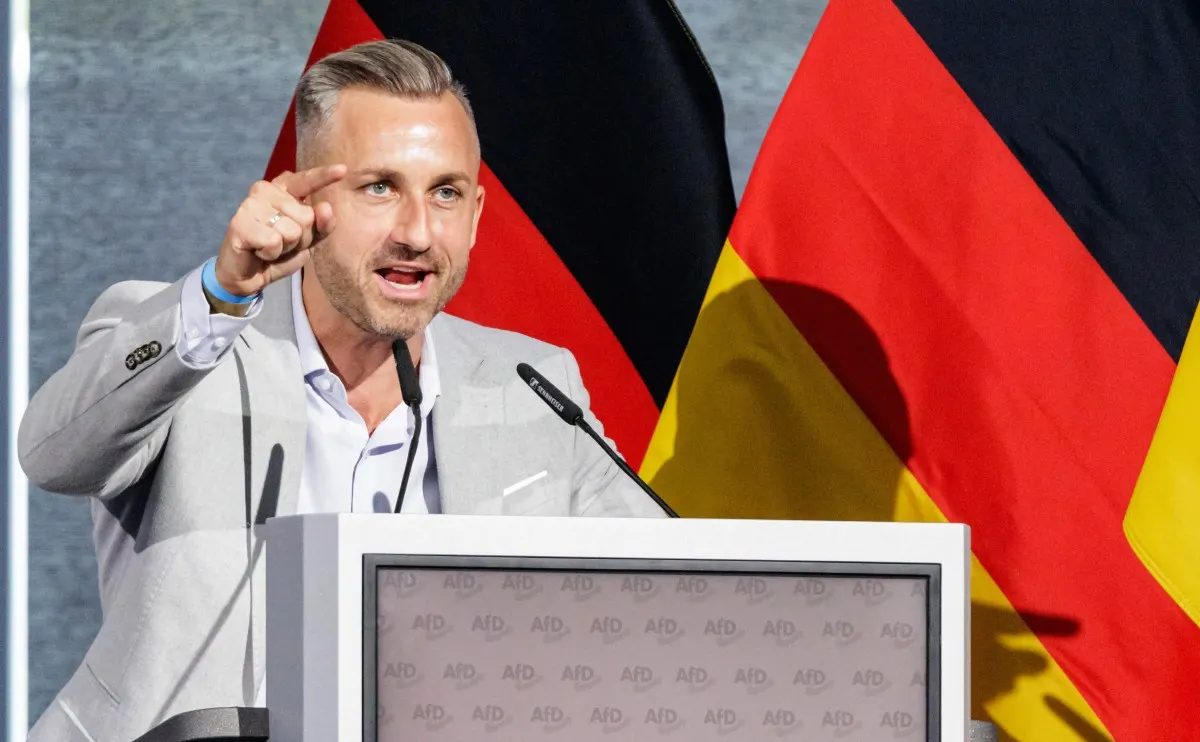
In an address to party delegates in the city of Magdeburg, 35-year-old AfD candidate Ulrich Siegmund outlined ten measures he pledged to implement immediately upon taking office. Central to his pitch is a hardline approach to migration, a key driver of the party's recent popularity.
Siegmund promised to expel all irregular migrants from the state "from the very first minute". "We will use all available leeway, including detention pending deportation, to send back as many as possible," he told the audience. Asylum seekers would also be obliged to carry out community service or risk having their benefits cut.
To address the economic factors driving rural depopulation, the candidate offered a specific financial incentive. Siegmund said the party would provide a €1,500 ($1,700) subsidy to finance driving licences for apprentices. The stated goal is to prevent young people from leaving rural areas for urban economic centres.
The AfD's public life proposals also include strict social policies. Siegmund said his government would defend a traditional family model, specifically "a man, a woman and children from that couple". He vowed to ban the LGBTQ+ rainbow flag in schools, ensuring instead that the national flag is flown in public establishments.
In the longer term, the party plans to reshape the state's educational framework. Siegmund stated his intention to change history curriculums in schools. He argued that the current curriculum is too focused on Germany's Nazi-era guilt and requires a fundamental overhaul.