Grid bottlenecks force UK's biggest community solar farm to close
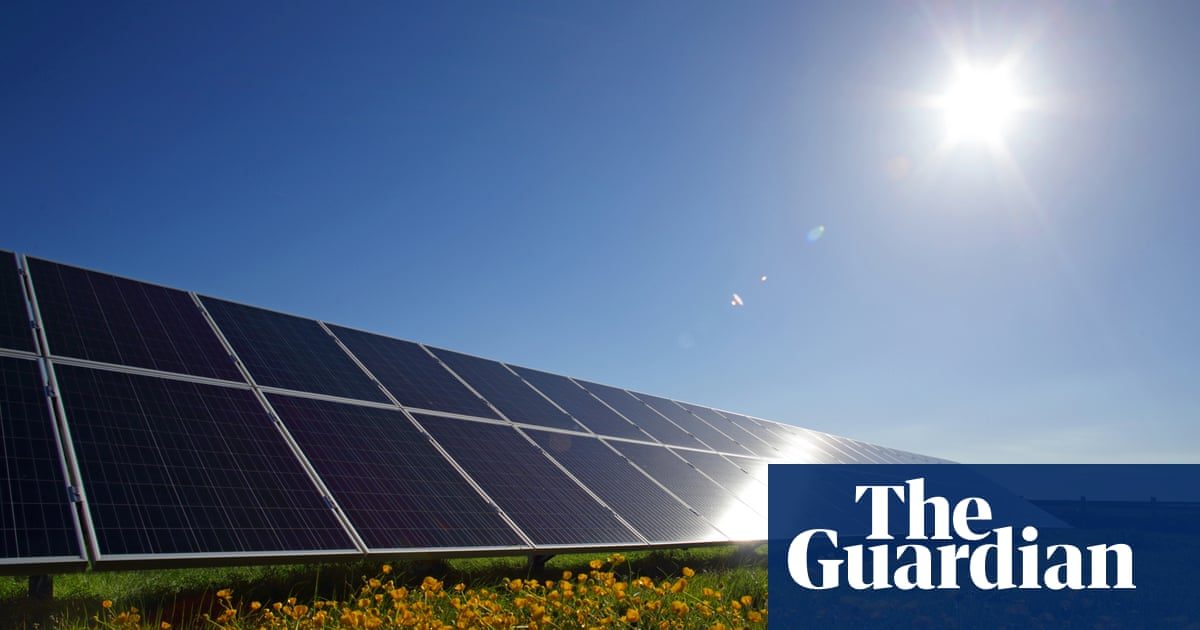
Britain's largest community solar project has been forced offline for the summer, exposing the financial risks to green investors as aging grid infrastructure struggles to absorb surging rooftop power.
The Derril Water solar park in north Devon has been shut down for the entire summer on the orders of the National Energy System Operator (Neso). To prevent local rooftop solar from pushing transmission voltages beyond safe limits, Neso instructed National Grid to switch off a vital super-grid transformer.
The forced curtailment will cost the cooperative’s nearly 10,000 members an estimated £2m in lost revenue. The project does not expect to receive compensation or insurance to cover this shortfall. In a letter to investors, the volunteer board warned that the interruption "creates unexpected financial pressure and will impact our ability to pay members at least in the near-term."
The timing of the shutdown is particularly damaging, arriving just before a period of record high temperatures across Europe. "We are not clear on what triggered the shutdown, which came on the Friday before the half-term heatwave with no notice," the board told investors. "However, it does seem the network operators knew there was a looming problem."
For European energy markets, the Derril Water closure highlights a critical infrastructure bottleneck. As the continent rapidly adopts decentralized renewables, local grids are struggling to absorb the surging power generated during long, sunny summer days. For retail investors, this case proves that building solar capacity is no longer enough to guarantee returns; grid connectivity is now the primary risk to green investments.
The £42m project, funded by £20m from members and a £22m bank loan, has faced a turbulent history. It was originally developed by Ripple Energy, which went bust in early 2025 before the park began operations. Members had originally been promised average savings of at least £200 a year on their energy bills, but the site only started generating electricity last September under a volunteer board.
Network upgrades required to manage the area's voltage issues were identified in 2023 but have been delayed from late 2025 to September of this year. A National Grid spokesperson confirmed it curtailed generation to keep the system secure and is "working with Neso to help provide solutions to these temporary constraints."