UK watchdog to probe £11bn Thames tunnel
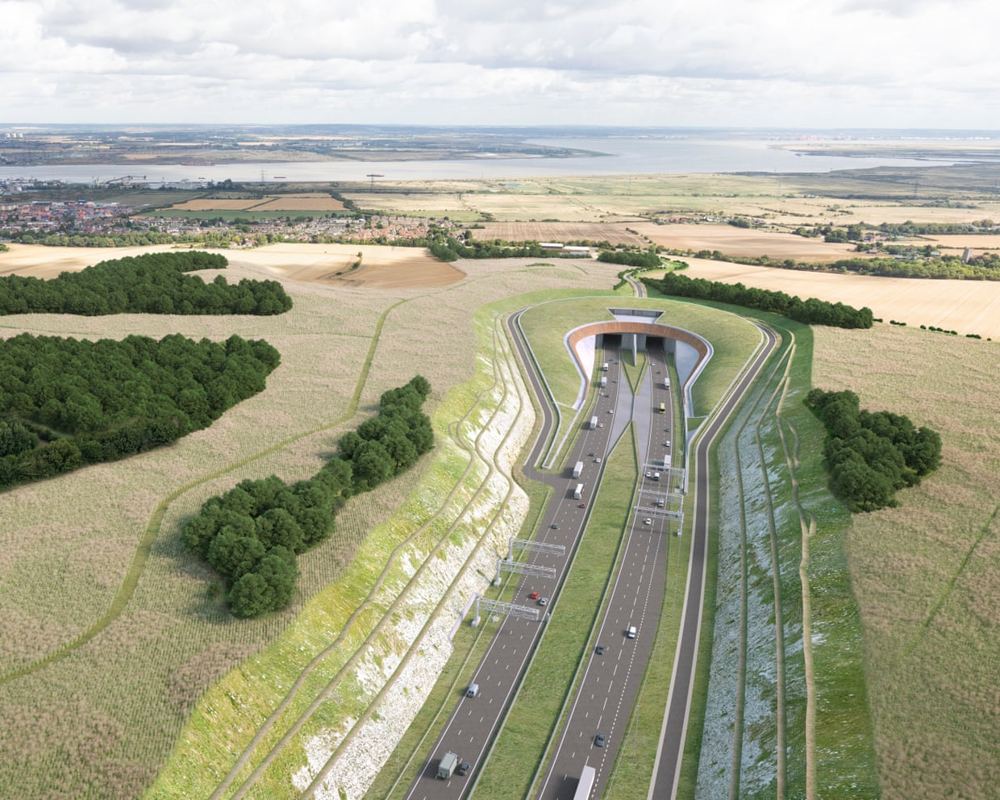
Britain's public spending watchdog will investigate the £11bn Lower Thames Crossing, casting scrutiny over a project that embodies the country's struggle to deliver major infrastructure without spiralling costs and complex private financing.
Britain’s National Audit Office is preparing to investigate the £11bn Lower Thames Crossing. The move puts the UK’s largest road project under formal scrutiny just weeks after the government shielded it from sweeping infrastructure cuts.
Gareth Davies, the head of the public spending watchdog, confirmed the development in a recent letter to campaign groups. “I anticipate that I will examine and report on the Lower Thames Crossing. My teams are tracking activity on the programme,” Davies wrote.
The planned 2.6-mile twin tunnel between Kent and Essex has become a flashpoint for how Britain delivers major infrastructure. Ministers recently approved an extra £174m for the scheme, bringing total pre-construction spending past £1bn. The state has committed £3.1bn to construction, with the remainder expected to come from private investors.
For the wider European economy, the project is a critical trade artery designed to connect the South East’s ports to the Midlands and the North. However, its soaring costs have drawn unfavourable comparisons to the troubled HS2 rail project. Analysts note the crossing actually costs more per mile than the high-speed line.
The financial structure is expected to be a central focus of the audit. A private consortium is set to be granted a perpetual licence in 2029 to run the new tunnel and the existing Dartford Crossing. Critics argue this model privatises toll revenues while leaving taxpayers exposed to construction risks.
Abby Coften, chief executive of the Transport Action Network, warned that public funds were being squandered on a privately run asset. “The same mistakes are being made as on HS2, but worse as LTC costs more per mile and has no completed business case,” she said. Coften added that toll revenues would be “gifted to private investors, and lost to the exchequer. It’s time to give the LTC the red card.”
The Department for Transport dismissed the HS2 comparison as misleading and defended the investment. “Creating a new connection will reduce congestion, boost economic growth and establish a new strategic trade route between the ports of the South East, the Midlands and the North,” a spokesperson said.
The pending investigation underscores the chronic difficulties facing the UK’s infrastructure pipeline. Prime Minister Keir Starmer recently axed billions in transport projects to fund a £15bn increase in defence spending. Yet Labour ministers kept the Thames tunnel alive, with some citing it as proof that the country's planning system urgently needs reform.