Europe eyes voluntary Strait of Hormuz fees amid strikes
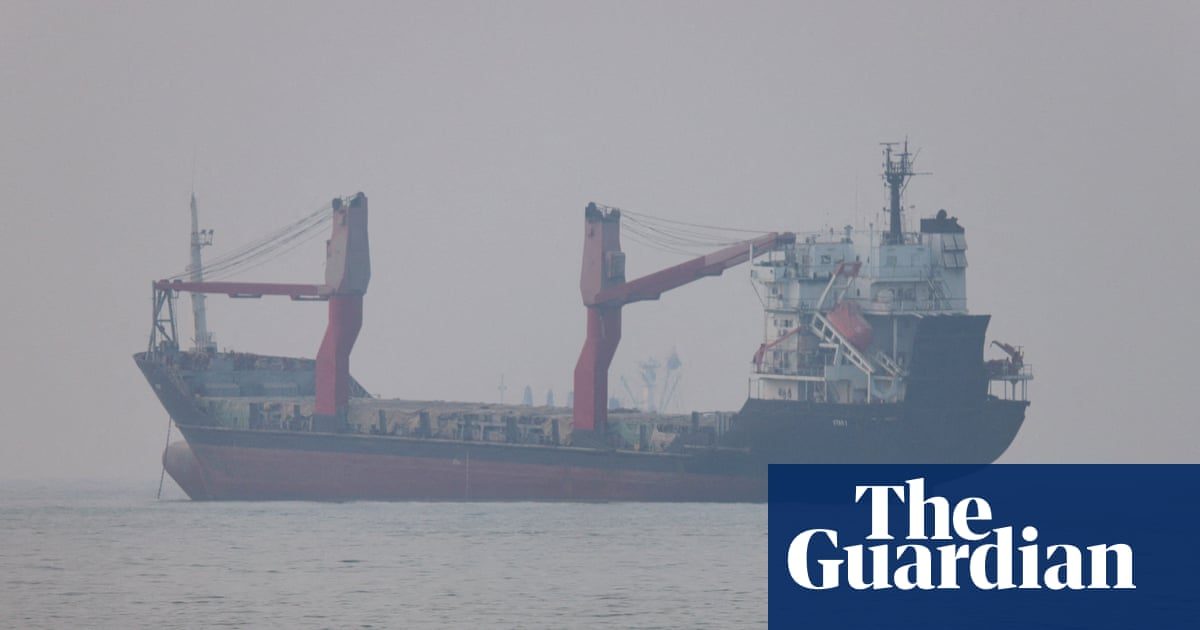
European governments are studying an Omani proposal for voluntary navigation fees in the Strait of Hormuz as an alternative to compulsory Iranian tolls, seeking to secure critical energy trade routes amid active military escalation.
European governments are studying a proposal to introduce voluntary navigation fees in the Strait of Hormuz, an attempt to secure the critical trade corridor without accepting compulsory tolls demanded by Iran.
The plan, drafted by Oman and British lawyers, adapts the governance model used in the Strait of Malacca. Speaking at an International Maritime Organization (IMO) council meeting in London, Oman's delegate Khamis bin Mohammed Al Shamakhi said transit passage "does not support the imposition of transit fees", but backed voluntary contributions for navigational safety and pollution control.
Britain’s deputy prime minister, David Lammy, warned that imposing mandatory tolls would be "disastrous". However, an alliance of European and Gulf states failed at the same meeting to pass a resolution condemning Iran for attacking ships, after Russia and China blocked the motion as one-sided.
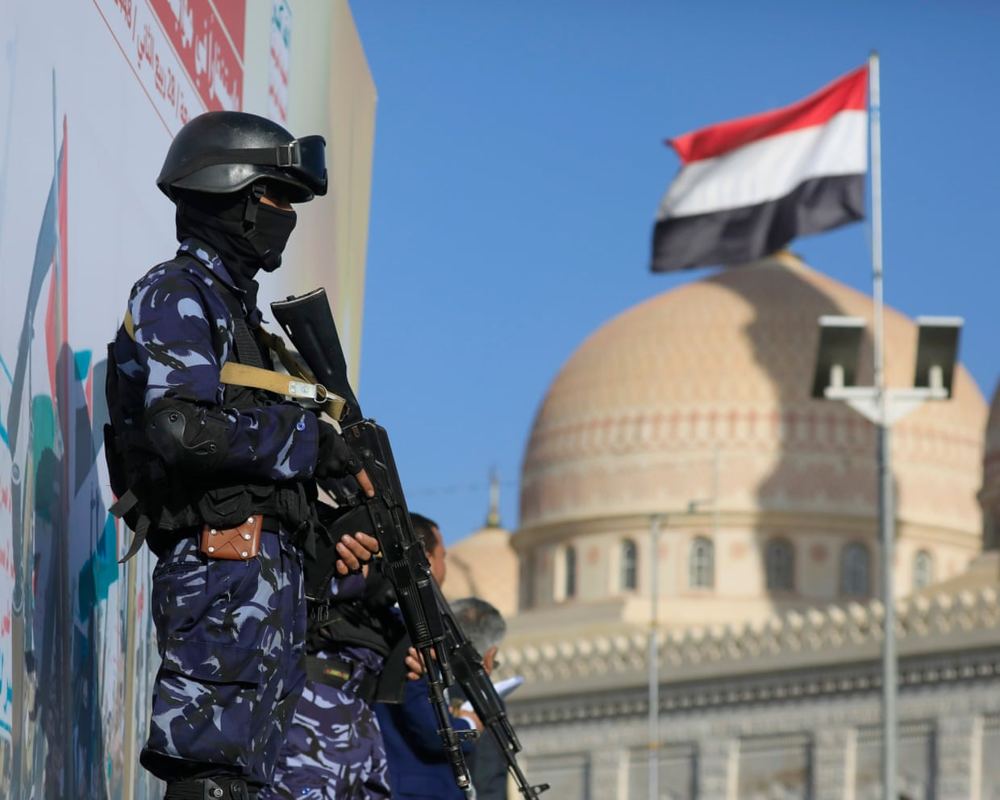
The diplomatic push unfolds alongside a severe military escalation. The US struck more than 150 targets in southern Iran this week to degrade its ability to harass shipping, prompting Iranian attacks on US bases in Kuwait and Bahrain. Donald Trump declared the interim ceasefire "over" on Friday, later writing that "1,000 missiles are locked and loaded and aimed at the Islamic Republic of Iran" should Tehran attempt to assassinate him.
Tehran remains divided on how to proceed. One diplomat noted that while some factions want to cooperate, "there are sections of the IRGC that say the US launched an unlawful attack on them in February, so why should they bother with the international law of the sea?" The new supreme leader, Mojtaba Khamenei, meanwhile vowed that revenge for his father's killing "is the will of our nation and must certainly be carried out."
For European energy markets, the immediate risk lies in Iran's interpretation of a recent ceasefire memorandum, which only guaranteed fee-free passage for 60 days. US Central Command reports its forces have facilitated the transit of 380 million barrels of crude oil since early May. Yet the IMO was forced to suspend a plan to evacuate stranded sailors via a southern route after Iran rescinded its approval, with the IRGC declaring that "foreigners have no role in this land or the strait of Hormuz."
Iran’s foreign minister, Abbas Araghchi, will travel to Oman on Saturday for talks. Turkish foreign minister Hakan Fidan expressed hope that a solution on the strait could be reached this weekend, though diplomats remain unsure whether Tehran will ultimately force all ships to seek permission from its Persian Gulf Strait Authority.