EU withdraws €2m Venice Biennale grant over Russian pavilion
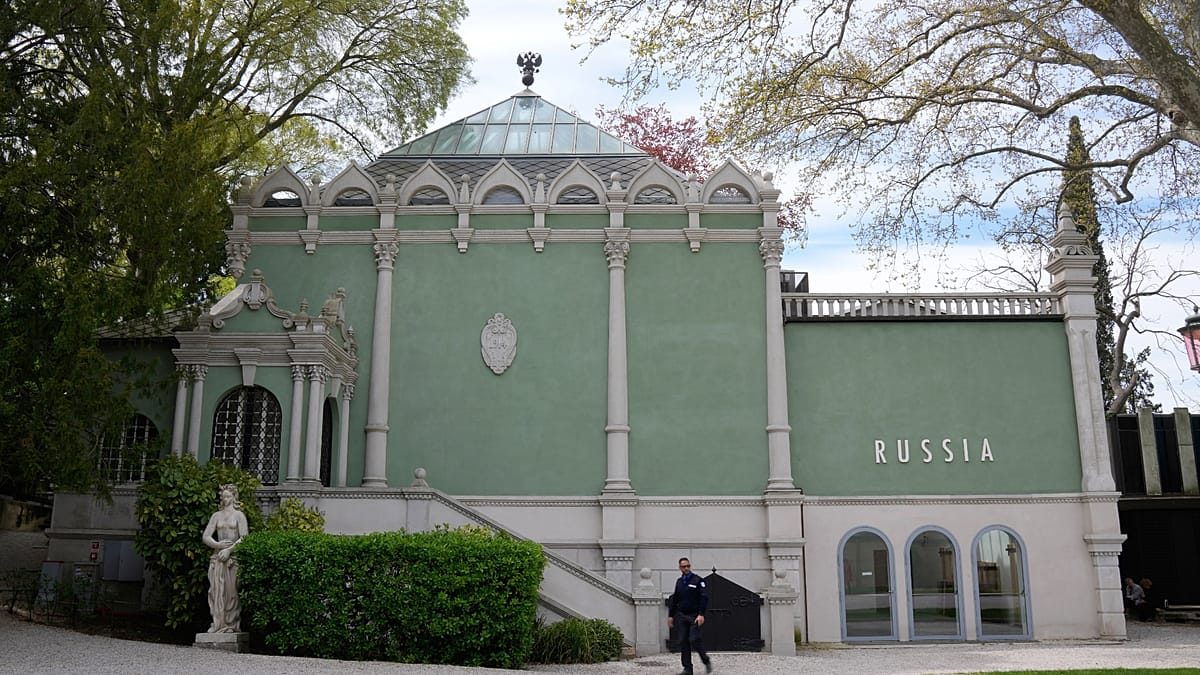
The European Commission has revoked a €2 million grant from the Venice Biennale for reopening its Russian pavilion, sparking a political row that exposes deep divisions over how Europe enforces cultural sanctions against Moscow.
The European Commission has confirmed the withdrawal of a €2 million grant earmarked for the Venice Biennale for the 2025-2028 period. The decision follows the foundation's decision to reopen the Russian pavilion at this year's edition, ending a months-long assessment process that Brussels found unconvincing.
European Commissioner for Democracy Henna Virkkunen announced the move, stating that taxpayer-funded culture in Europe "should promote and safeguard democratic values and that such values are not respected in Russia today". The recommendation was directed to the European Education and Culture Executive Agency, which holds the final authority on the funding and had already indicated support for cutting it.
The dispute began in April when Pietrangelo Buttafuoco, president of the Biennale Foundation, announced the pavilion's return. The exhibition space had been shuttered during the 2022 and 2024 editions following Russia's invasion of Ukraine and the imposition of European sanctions. The Commission subsequently gave the foundation 30 days to reverse its decision or provide a justification that could halt the revocation, but further clarifications were also rejected.
Despite the political friction, the Russian pavilion operated under severe restrictions. It failed to secure the necessary permits to hold public events, limiting its presence to a largely symbolic level.
The funding withdrawal carries significant political weight, illustrating the strict conditions attached to EU public money and the bloc's willingness to penalize institutions that deviate from the consensus on Russia. For major cultural organizations across the continent, the ruling serves as a clear warning that access to Brussels-backed financing requires strict adherence to the EU's geopolitical posture. It also highlights the fragility of Europe's unified front, with Russian gallerist Marat Gelman openly accusing Italy of proving to be the "weak link" in the European response to Russian aggression.
The row has triggered immediate backlash within Italy's ruling coalition. The League, the right-wing party led by Deputy Prime Minister Matteo Salvini, launched a scathing attack on the Commission. The party denounced the move as bureaucratic overreach, declaring that culture does not bow to "Brussels diktats".
The League has now called on Prime Minister Giorgia Meloni's government to replace the withdrawn €2 million with domestic funds. This demand forces the Italian administration to navigate a direct conflict between maintaining its hardline stance on Moscow and defending a prestigious national institution from EU penalties.