Meta withdraws Instagram AI tool after privacy backlash
Meta's rapid reversal on an AI image generator highlights the growing commercial risks for tech firms that ignore privacy boundaries in the rollout of generative AI.
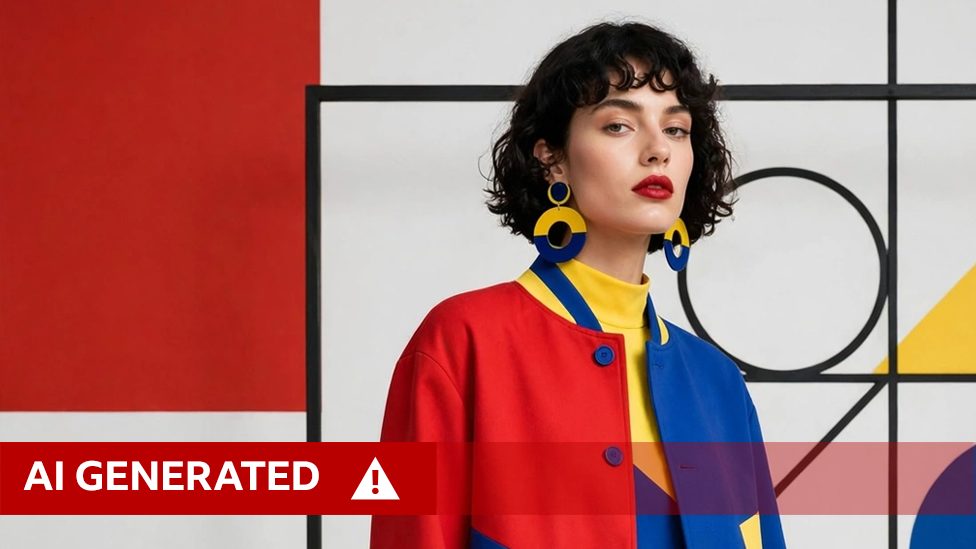
Meta has removed a new artificial intelligence feature from Instagram just days after its launch, following widespread criticism over user privacy. The tool, part of the company's new Muse Image generator, allowed users to tag public accounts and use their photos to create AI-altered imagery.
The core issue was the execution. Public Instagram users were opted in by default, meaning their likeness could be scraped and manipulated without their knowledge or explicit permission. Meta subsequently admitted it had "missed the mark" and confirmed the feature was "no longer available".
For European markets and tech investors, this abrupt U-turn is a stark indicator of the friction between Silicon Valley's aggressive AI deployment strategies and European privacy norms. Companies pouring billions into generative AI are discovering that public pushback can instantly derail product launches. The backlash demonstrates that commercializing this technology requires more than raw technical capability; it demands careful navigation of strict data protection expectations.
When tech giants treat user data as a free resource, they invite significant commercial and regulatory risk. The London-based charity Privacy International summed up this perspective, calling the rollout "the latest sign AI companies see people's images and data as raw material to be exploited". Hollywood union Sag-Aftra also claimed a "win", citing an "utter miscalculation of public sentiment regarding the obvious dangers and harms inherent in such use".
Meta defended its original intent, stating, "Our intent was to provide a useful creative tool and to give people control over whether their public content could be referenced in this way." The company added, "We've heard the feedback."
Muse Image represented Meta's first major entry into AI image generation. While currently confined to Instagram, the firm has signalled broader ambitions. More AI features and integrations are planned for WhatsApp, Facebook and Messenger, alongside a separate AI video tool in development.
Meta declined to comment further. However, the incident suggests that the company's upcoming AI expansions across its wider app ecosystem will face intense scrutiny. If features relying on default opt-ins trigger immediate retreats, investors should expect tech firms to endure slower, more costly product rollouts as they attempt to avoid regulatory penalties in Europe.