Tuchel’s tough management of Bellingham pays off as England reach semis
England's 2-1 World Cup quarter-final victory over Norway, driven by Jude Bellingham's two goals, validates Thomas Tuchel's abrasive 18-month strategy of suppressing his star's individualism to forge a cohesive team capable of beating Argentina.
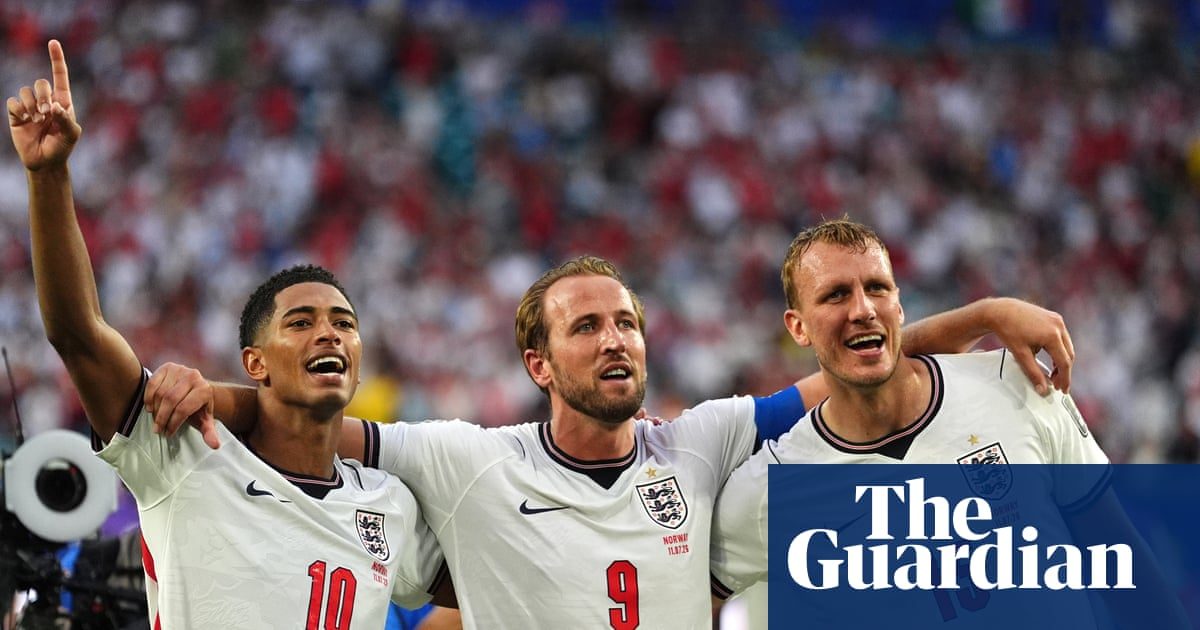
England defeated Norway 2-1 in Miami to reach the World Cup semi-finals, where they will face Argentina on Wednesday. Jude Bellingham scored both goals and was named man of the match, delivering a statistically dominant performance that included the most goals, shots, shots on target, and touches in the opposition box of any player on the pitch.
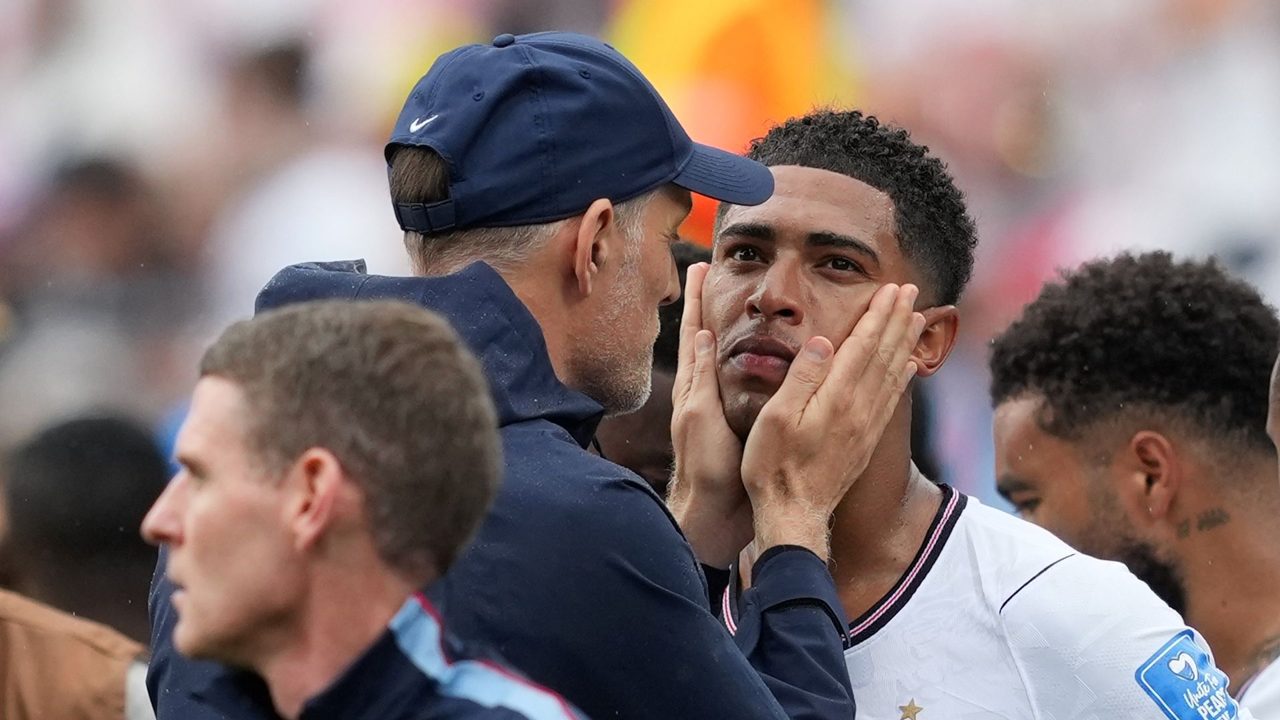
Yet the immediate aftermath was dominated by public friction between the 22-year-old Real Madrid star and his coach. Tuchel labelled the overall team display "sloppy" and argued England had "rode their luck", referencing a disallowed Norwegian goal and a spidercam wire incident. Bellingham fired back, stating Tuchel "didn't know what it was like to play in a top-level knockout game in temperatures that were the equivalent of 44 Celsius."
This exchange is the latest in a sustained battle of wills that began when the Football Association appointed Tuchel 18 months ago. The German coach has deliberately used criticism to mould Bellingham, withholding praise for his individual talent and instead publicly commending him only when he sacrifices himself for the collective system.
Tuchel’s tactics have occasionally crossed into the extreme. A year ago, he apologised after remarking that even his mother found Bellingham "repulsive" on the pitch. Last October, Tuchel dropped Bellingham entirely for a friendly against Wales and a qualifier against Latvia, just 48 hours after the midfielder was named England's player of the year. "Team spirit is the key factor in the end," Tuchel said at the time, prioritising players from the previous camp during Bellingham's absence with a shoulder injury.
For observers of elite European sports management, the dynamic is a high-stakes study in handling generational talent. The friction is partly rooted in their contrasting careers. Bellingham accumulated a Champions League, La Liga, and UEFA Super Cup winner's medal by 22, operating within a club culture that hails individual superstardom. Tuchel’s own playing career in Germany was unspectacular and ended at 25 due to a knee injury.
Tuchel has effectively wagered that suppressing Bellingham's individualism is necessary to build a tournament-winning international side. The immediate results justify the approach. In Miami, Bellingham was not just the primary attacking threat but also won the most duels and ranked second for successful pressures in the opponent's half.
However, Bellingham’s retort to Tuchel's criticism—defending the immense physical toll on his teammates in extreme heat—demonstrates the emotional cost of this management style. England will need to produce a higher quality of football to beat Argentina, with a potential final against Spain or France to follow. Tuchel’s calculated gamble to subdue his most gifted player into a rigid system remains a work in progress, but for now, the contentious partnership is keeping the country's World Cup campaign alive.