Paris forest fire disrupts A6 and SNCF as climate costs mount
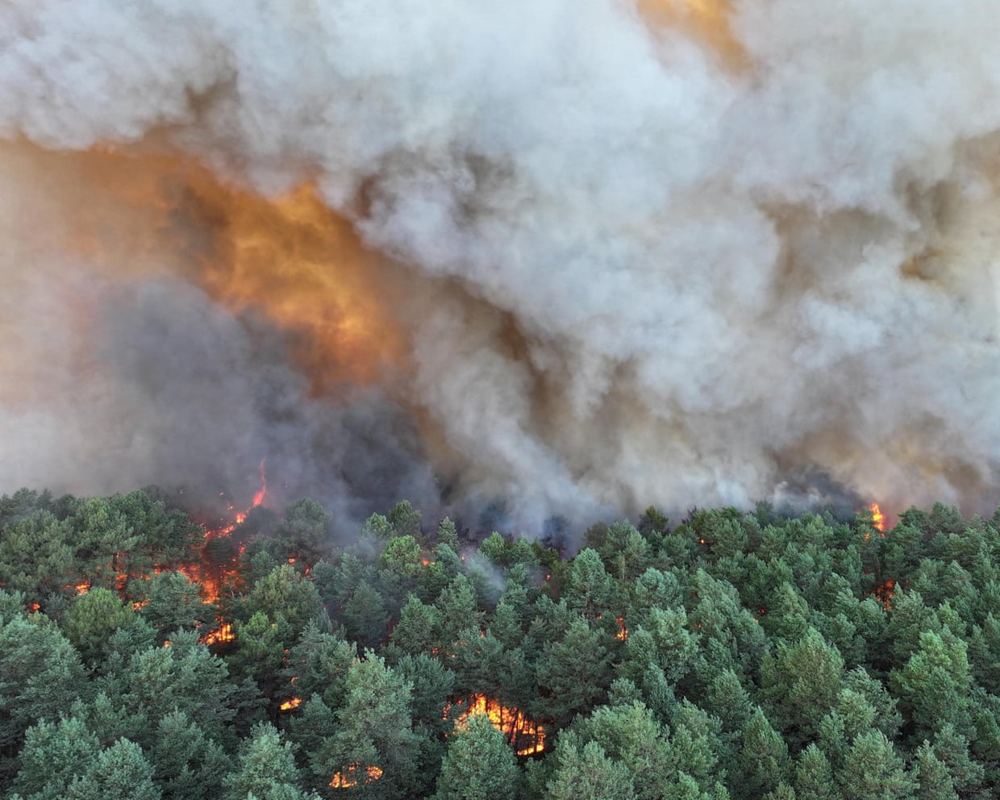
An exceptional forest fire near Paris has forced the closure of France's main north-south highway and caused severe rail delays, highlighting the mounting cost of climate-driven weather shocks to European transport infrastructure.
A rapidly spreading wildfire in the Fontainebleau forest, 60km south-east of Paris, has severely disrupted road and rail networks during a peak summer travel weekend. The blaze, which officials described as being of "exceptional scale" and "very virulent", raced across 800 hectares and was still advancing early on Monday.
The fire forced the partial closure of the A6 highway, France's primary north-south arterial route, creating immediate headaches for freight and passenger traffic. State railway operator SNCF reported delays of up to six hours for trains using Paris's Gare de Lyon terminal. This disruption compounds earlier logistical chaos caused by a separate fire east of the capital, which recently blocked a highway and disrupted a high-speed line heading to southern France.
Authorities deployed roughly 400 firefighters, two helicopters and an observation aircraft to defend several towns. About 15 homes were evacuated in the village of Vaudoue. Crucially, two fire-bomber planes were rushed from southern France. Eric Brocardi of France's national federation of firefighters noted it was the first time such aircraft had been deployed north to the Paris region from the traditionally drier south. "The aim is to save lives and property," Brocardi said as the fire advanced.
Ground and aerial operations faced immediate challenges. Firefighting aircraft had to suspend their flights at nightfall on Sunday due to visibility and safety protocols. Despite these limitations, the rapid deployment of the southern aircraft prevented a wider crisis. Without the planes, "other villages would already have been evacuated," said Olivier Compta, the official overseeing the firefighting operation.
The blaze erupted just two days before the 14 July Bastille Day national holiday, a period of heavy domestic travel. It arrives amid a succession of heatwaves that have baked France and large parts of Europe since May. Several countries have logged record-breaking average temperatures, while estimates point to thousands of excess deaths across Belgium, Britain, France and Spain.
Scientists from the World Weather Attribution group concluded that the June heatwaves would have been "virtually impossible" without climate change. For European infrastructure networks and national emergency budgets, this translates into a new baseline of operational risk. The escalating strain is visible in the sheer volume of land destroyed by fire this year.
Interior Minister Laurent Nunez, who is scheduled to visit Fontainebleau on Monday, outlined the scale of the cumulative damage. Forest fires have already consumed 17,000 hectares this year, a figure expected to reach 25,000 hectares once all data is tallied. That total is "twice as much as the same period" in 2025, Nunez warned, signalling a rapid acceleration in environmental damage and its associated economic costs.