Swedish MEP reports Danish colleague to police over racist slur
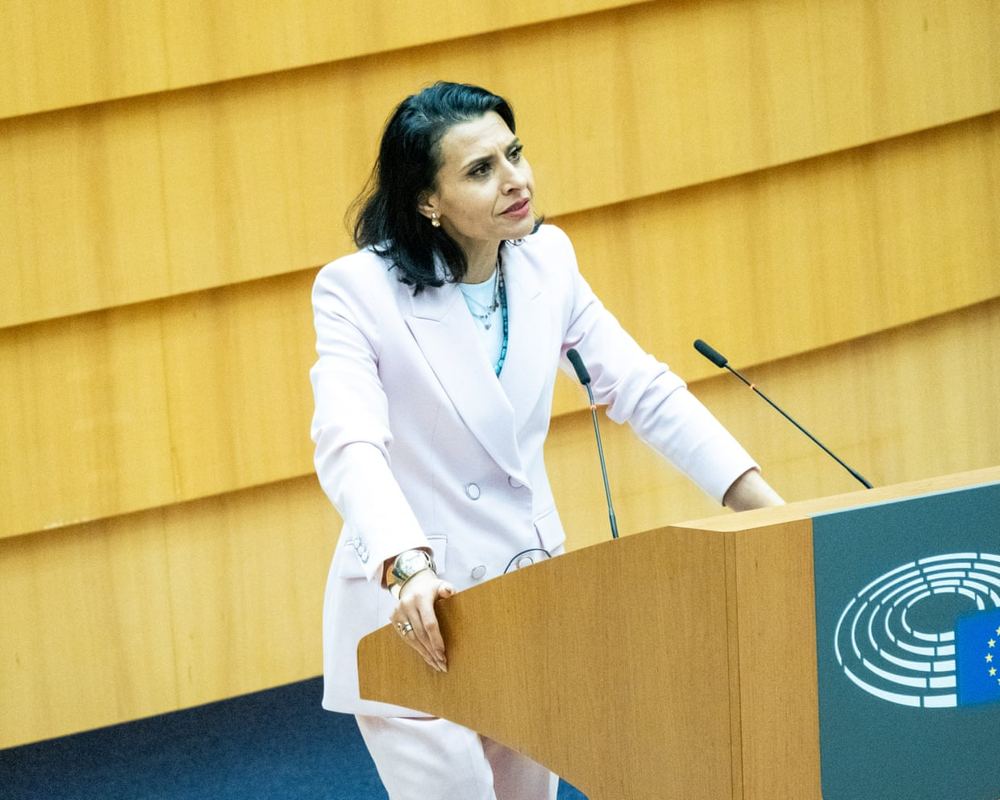
A Swedish MEP's decision to report a Danish colleague to police for racist hate speech exposes the deepening institutional fractures caused by the European Parliament's record far-right presence.
Abir Al-Sahlani, an Iraqi-born Swedish MEP with the Centre party, has filed a police complaint in Sweden against Kristoffer Storm of the Denmark Democrats. The complaint accuses the Danish lawmaker of racist hate speech after he told her to "go home" on social media. The incident followed rightwing legislators chanting "send them back" during a recent vote on EU deportations.
Finnish MEP Sebastian Tynkkynen also targeted Al-Sahlani online, writing "Cry more" in response to her speech condemning the chamber's chants. However, Swedish police were unsure how to handle his post, so the formal complaint focuses solely on Storm. Both men have denied the accusations, with Storm claiming his remark meant she should leave the room to reflect.
The confrontation has triggered a formal response from parliament leadership. Valérie Hayer, head of the Renew Europe group, called on parliament president Roberta Metsola to discipline both Storm and Tynkkynen. Metsola addressed the chamber on Monday, stating that the aggressive chanting and filming crossed a line and promising action to prevent a recurrence.
For investors and businesses, this institutional friction reflects a structural shift in EU policymaking. Far-right and rightwing populist MEPs now hold roughly a quarter of the parliament's seats, a record high. This expanding influence is already dictating legislative outcomes, most notably after much of the centre right broke with centrist parties to ally with the far right on deportations legislation.
Such alliances increase political volatility and complicate the bloc's single-market stability by prioritizing polarizing immigration debates over broad economic consensus. The deportations law, which Amnesty International described as "absurd, cruel and discriminatory", passed because mainstream conservative lawmakers chose to work with hardliners. "We could have had better legislation," Al-Sahlani said. "But they chose the most inhumane, undignified content for that kind of legislation and went with it."
The episode underscores the vulnerability of minority lawmakers in an institution where people from ethnic minority backgrounds remain drastically underrepresented. Al-Sahlani noted she initially hesitated to speak out because so few in the chamber share her background. She warned that targeting marginalized groups sets a dangerous precedent. "If you start to attack the weakest people, then it’s a slippery slope towards something much, much worse," she said.