Louvre thieves reveal shadowy network behind €88m jewel heist
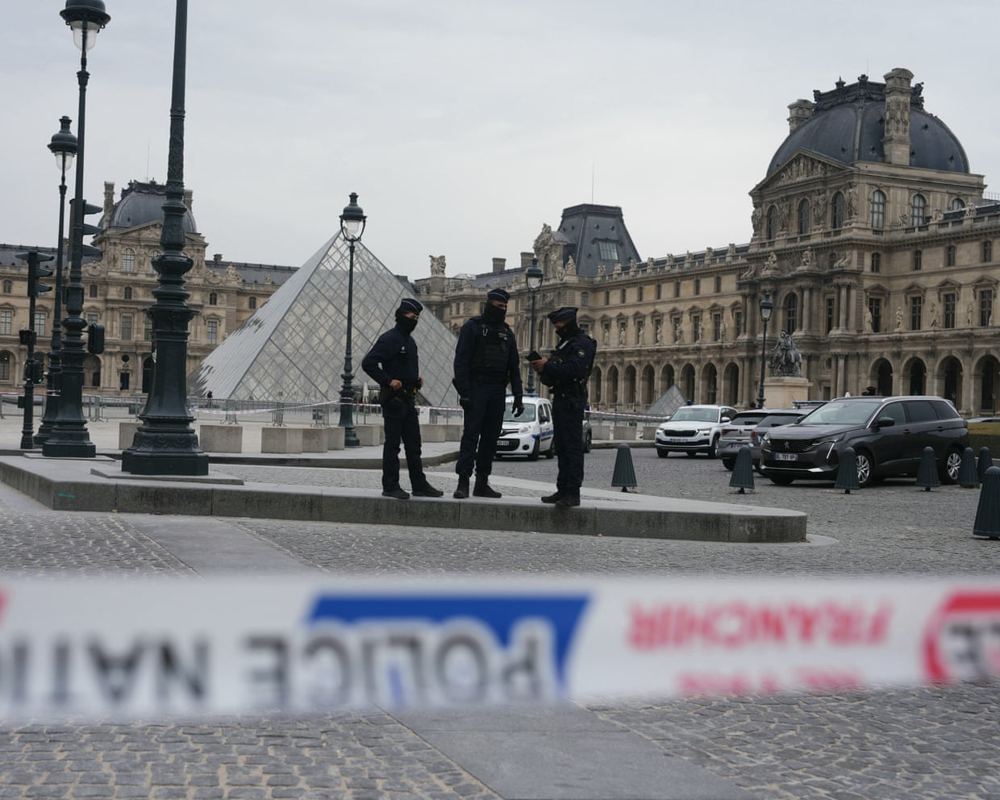
Suspects in the €88m Louvre jewel theft have described a professionally organized burglary to investigators, highlighting the ongoing security vulnerabilities at Europe’s top cultural institutions and the lucrative underground market for stolen high-value assets.
Two men accused of stealing €88m worth of crown jewels from the Louvre last October have told investigating judges they were hired by an unidentified client just days before the break-in. The suspects, identified as Abdoulaye N and Ghelamallah A, described a tightly timed operation targeting the museum's Apollo Gallery, an event that previously forced the resignation of the Louvre's director.
The loss of eight pieces of 19th-century Napoleonic jewellery represents a significant financial hit for the state-backed institution, likely triggering massive insurance claims and forcing renewed capital expenditure on security infrastructure. The suspects claimed the unidentified mastermind intended to resell the jewels, pointing to a sophisticated underground market capable of moving high-profile stolen goods.
According to transcripts of their questioning last month, the men were provided with a video of the display cases to prepare for the raid. “Break windows and retrieve jewellery from inside the display cases,” Abdoulaye N said he was told. The pair accessed a first-floor balcony via a furniture lift before smashing through the gallery window.
The two suspects offered differing accounts of their awareness of the target. “I knew I was going to rob the Louvre,” Abdoulaye N stated, while Ghelamallah A said he was told it was merely “a jewellery store where they make jewellery in Paris.” Ghelamallah A added: “I would never have set foot there if I had known.”
The operation was constrained by a strict three-minute limit, with Abdoulaye N telling investigators: “If we take more than three minutes, we know we have to leave, otherwise we’ll be reported.” During the rushed escape, a gem-encrusted crown worn by Empress Eugénie, wife of Napoleon III, was dropped. “Yes, it was me, it fell out of my bag,” he admitted, adding, “What we did wasn’t right, it’s very serious.”
The thieves said they handed the remaining haul to the client, who was dissatisfied. “He thought we could have taken more,” Abdoulaye N said. For their roles, Abdoulaye N expected €15,000 to €20,000, while Ghelamallah A was promised up to €25,000, a fraction of the €88m valuation that illustrates the steep markup applied in the illicit trade of stolen antiquities.
Both suspects have refused to identify the client or any accomplices, citing fear for their families. “They’re no choirboys,” Ghelamallah A said of the organizers. Abdoulaye N reported receiving calls while in detention telling him to “keep quiet,” though investigators have not yet confirmed the alleged mastermind exists.