Cruise lines taxed less than hotels despite €1.3bn pollution bill
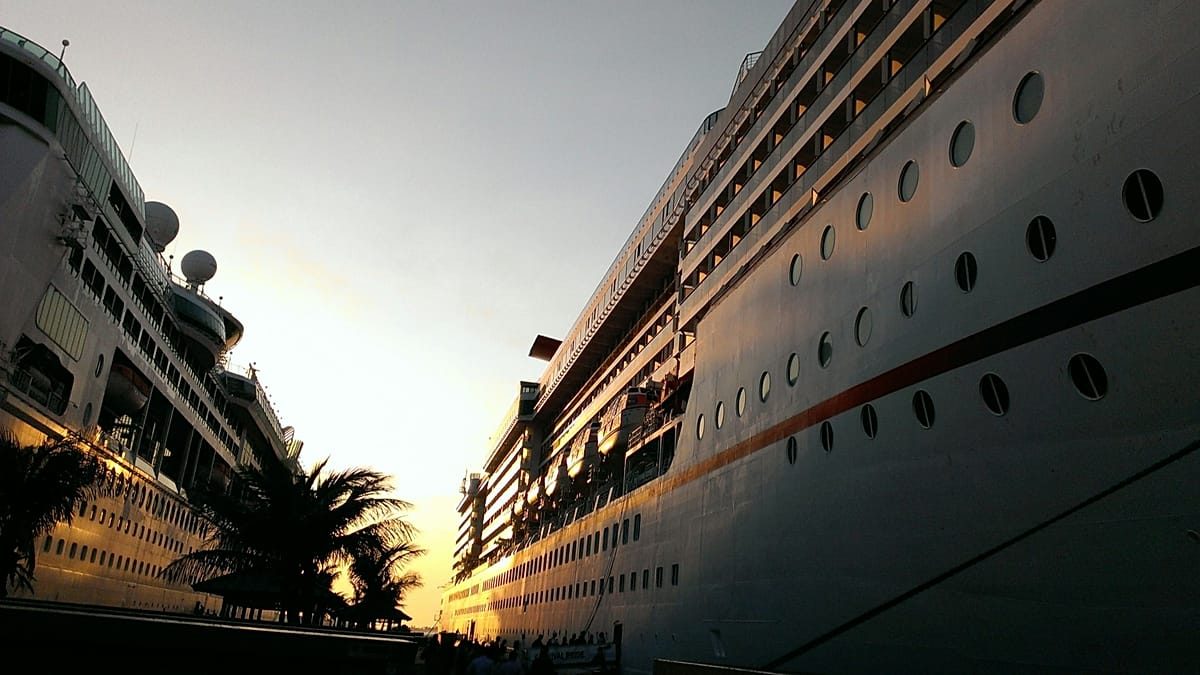
Cruise passengers in France, Italy and Spain pay roughly half the tax of hotel guests due to a regulatory loophole, sparking calls for new levies to offset massive unpriced environmental damage.
Cruise ship holidays in Europe’s largest markets are taxed at roughly half the rate of land-based hotels, despite generating significant environmental and infrastructure costs. Research published by Transport & Environment (T&E) found that passengers pay an average of 12% in taxes on a cruise, compared to 23% for a €100-a-night hotel stay in France, Italy, and Spain.
The disparity stems from a legal classification that treats cruise liners as maritime transport rather than holiday accommodation. This designation allows operators to avoid paying value-added tax and fuel taxes, shifting the economic burden onto local governments. “We are treating floating hotels like they are essential maritime infrastructure,” said Fanny Pointet, Shipping Manager at T&E.
The financial impact of this tax break is substantial. T&E estimates that the unpriced climate and air pollution costs of cruises in France, Spain, and Italy will reach between €790 million and €1.3 billion in 2025. The sector's climate-related damages alone exceed what operators pay under the EU's carbon trading system by a factor of two to three, while air pollution costs carry no EU-level tax at all.
To correct this market distortion, T&E is urging policymakers to implement a €15 tax per passenger per port call. Modelling suggests this would generate €335 million annually across the three nations. Those funds could be directed toward national budgets, coastal ecosystem protection, or green port infrastructure like onshore power supply.
However, the organisation warns that a standalone levy will not fully close the gap between the industry's environmental footprint and its tax contributions. “Cruises are not a mode of transportation but the destination itself, yet we are giving them the same benefits as freight transport,” Pointet said. “Taxing cruise ships properly would help cities to tackle the pollution and to address concerns of overtourism.”
Regulators must also align cruise VAT rates with land-based tourism and consider capping the number of daily or annual port calls. “A cruise ship levy must be viewed as part of a broader regulatory mix,” Pointet added. “To fully mitigate the sector's environmental footprint, parallel supply-side policies are necessary,” such as tightening EU fuel regulations and energy efficiency benchmarks.