Northern Spain braces for 2026 eclipse tourism surge
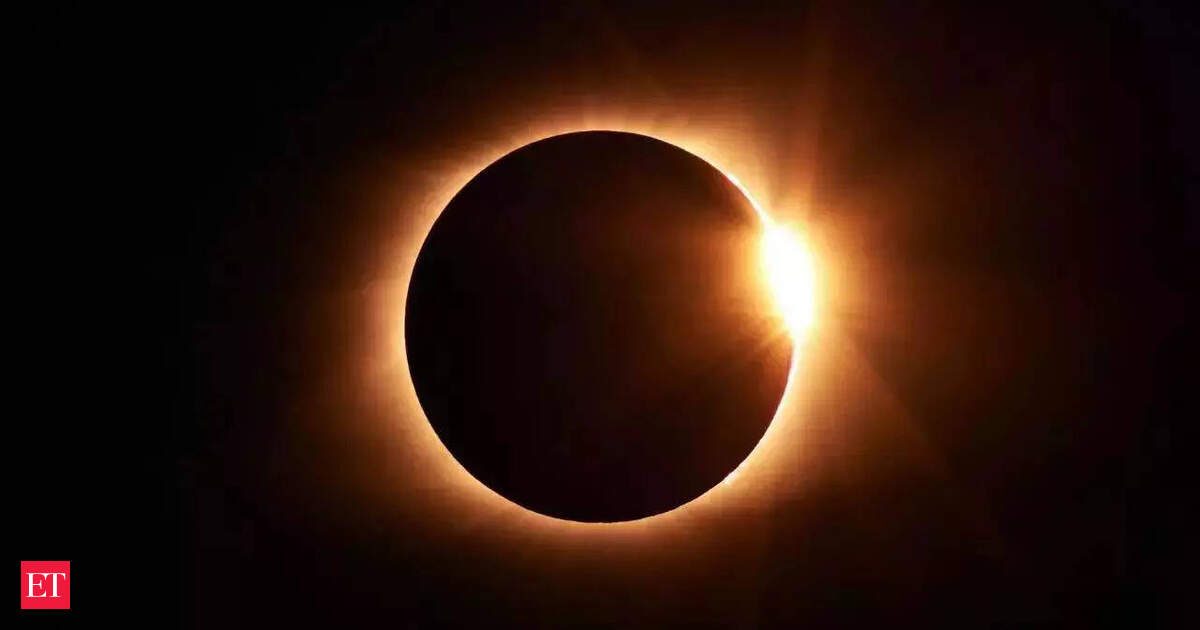
Northern Spain is poised for a significant tourism windfall as it prepares to host the continent's first total solar eclipse since 1999, drawing thousands of international visitors.
On August 12, 2026, the path of a total solar eclipse will cross directly over northern Spain, briefly touch northeastern Portugal, and continue near the Balearic Islands. This marks Europe’s first total solar eclipse since 1999 and the first visible from mainland Spain since 1905. For much of the continent, it represents the first opportunity in nearly three decades to witness the Sun completely covered by the Moon.
The celestial alignment is expected to deliver a notable boost to Spain’s tourism economy. Thousands of American astronomy enthusiasts, photographers and dedicated eclipse chasers are already planning trips to Europe because the event will not be visible from the continental United States. Spain is positioned to capture much of this inbound travel due to its established infrastructure compared to other points on the path, which largely cross oceans or remote regions.
Cities situated directly in the path of totality include Bilbao, Zaragoza, Burgos, León, Palencia, Logroño and A Coruña. With robust transport links, available accommodation and clear western horizons, these municipalities are prime candidates to capture visitor spending. In these locations, the eclipse will occur just above the horizon, creating a dramatic sunset view that lasts just over two minutes.
The economic effects will likely extend beyond northern Spain. Large parts of the UK, Ireland, France, Germany, Italy, Portugal and North Africa will witness a partial eclipse, with some areas seeing up to 90% of the Sun obscured. This widespread visibility could stimulate secondary travel and hospitality activity across western Europe as people move to optimal viewing spots.
The event’s commercial draw is further amplified by its timing. The peak of the annual Perseid meteor shower occurs on the exact same night. Because the Moon will no longer brighten the sky after the eclipse, viewing conditions for meteors are expected to be especially good, giving observers two major events in a single night.
For local authorities and businesses, August 2026 serves as a firm deadline to manage large crowds safely. Health officials stress that visitors must use eclipse glasses meeting the ISO 12312-2 safety standard to prevent eye damage, removing them only during the brief window of complete totality.