UK child health lags Western Europe, risking public service strain
A stark report from leading paediatricians shows UK children are now among the unhealthiest in Western Europe, threatening to saddle the economy with a generation entering adulthood in poor health.
Children in the UK are on track to become one of the unhealthiest generations in decades, according to a new analysis by the Royal College of Paediatrics and Child Health (RCPCH). Across 12 globally recognised health indicators, outcomes have either declined or completely stagnated. The data places the UK's youth among the least healthy in western Europe.
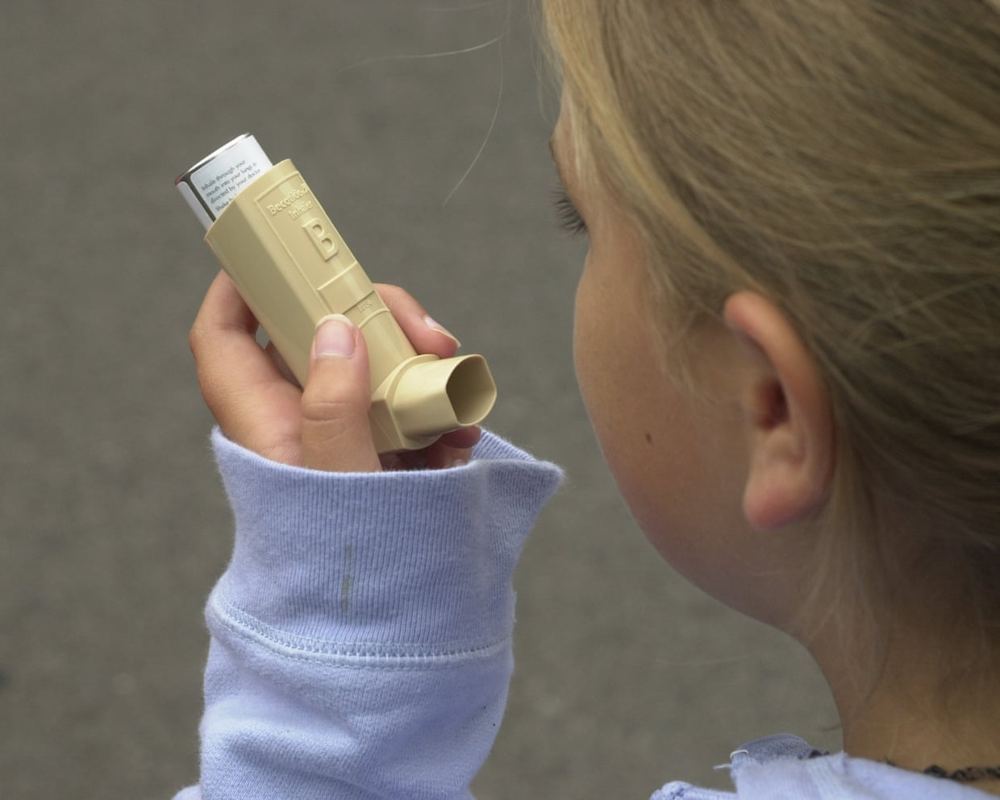
The UK is trailing its continental neighbours and major global economies in several critical areas. Only 84% of British children receive two doses of the MMR vaccine by age five, making the UK the worst-performing G7 nation and falling well short of the World Health Organization’s 95% target. Furthermore, the country suffers from one of the highest asthma-related mortality rates in Europe, while infant mortality has shown little improvement since 2023.
Deep regional and socioeconomic inequalities are amplifying these poor outcomes. Rates of infant mortality and obesity are more than twice as high in the most deprived areas compared to the wealthiest. From an economic standpoint, this trajectory threatens to place severe, long-term strain on public services and limit workforce productivity, as young people enter adulthood at a physical and mental disadvantage.
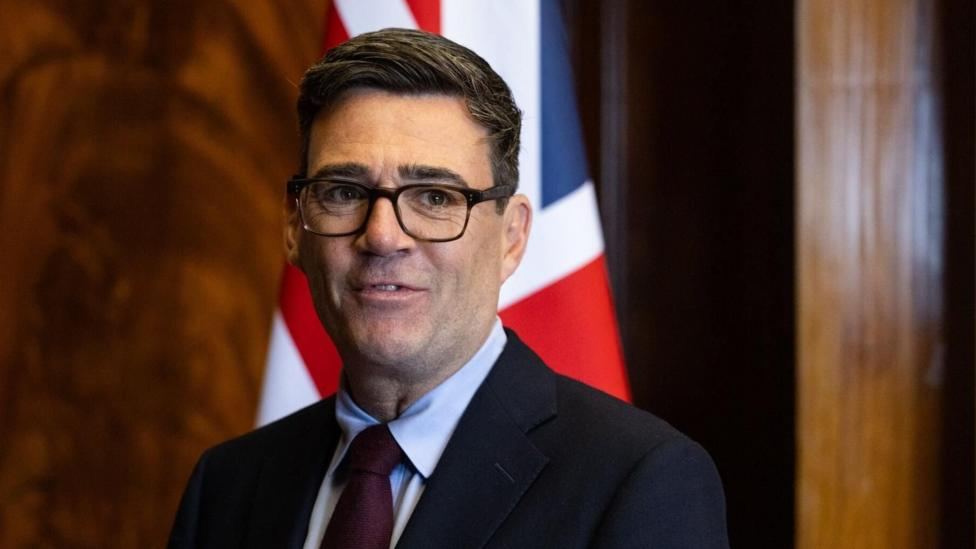
The RCPCH is urging the new government, expected to be led by Andy Burnham after 20 July, to use its first 100 days to set binding national targets and increase funding for child health services. “Without action, more children will grow up in poor health, entering adulthood at a disadvantage and putting even greater pressure on families and public services,” Stewart said. The report also calls for a major overhaul of how child health data is collected.
Public sentiment aligns with the medical warnings. Polling by YouGov included in the report found that only 12% of parents believe child health has improved over the past decade. Sarah Woolnough, chief executive of the King’s Fund, described the findings as a “wake-up call”, warning that without urgent action, today's children will experience poorer health than previous generations.
A government spokesperson blamed the situation on “a decade of neglect”, while outlining current policy efforts. These include ending the two-child benefit limit, expanding school-based mental health support, opening family hubs, and introducing tighter restrictions on smoking, vapes, and junk food advertising. The spokesperson added that primary pupils will receive free breakfast clubs, and free school meals will be extended to all children from households receiving universal credit.