Solar generates record 25% of EU electricity in June
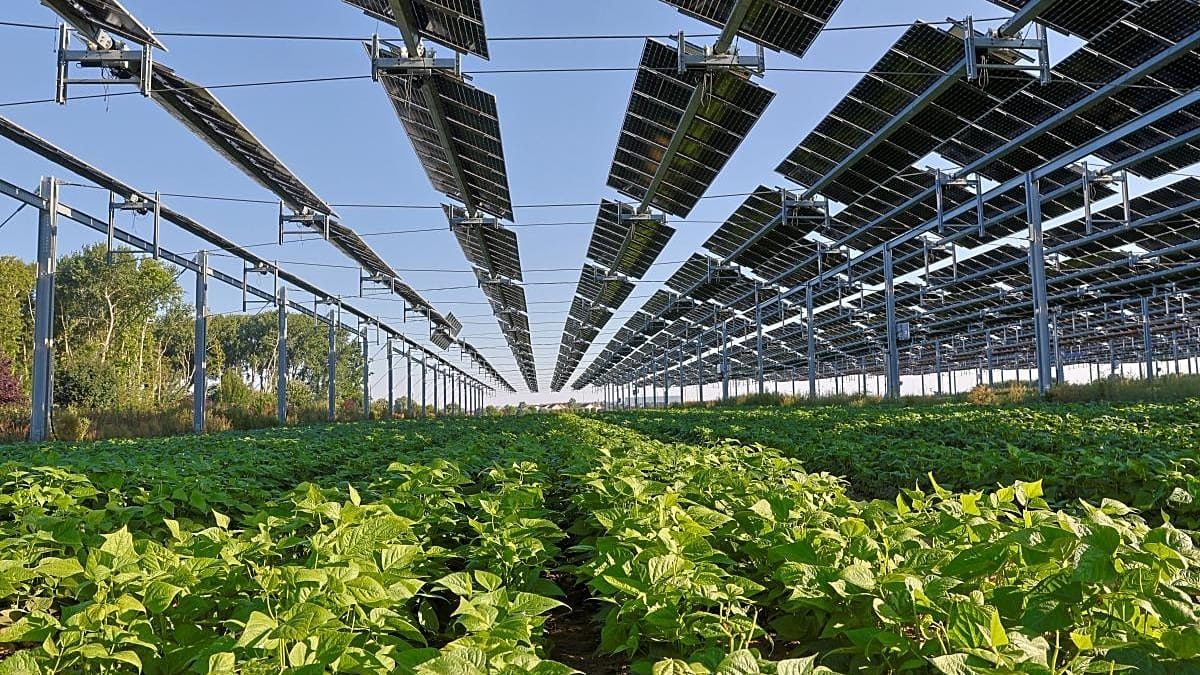
Solar power became the EU's largest single electricity source in June, generating a record 25% of the bloc's power and shielding consumers from volatile gas prices.
Solar power generated a record 52 terawatt-hours in June, supplying exactly 25% of the EU’s electricity. This output surpassed nuclear at 21%, gas at 15%, wind at 14% and hydro at 12%, marking only the third month solar has topped the bloc's generation mix.
The milestone reflects rapid, sustained expansion across the continent. The EU installed 65.1 gigawatts of new solar capacity in 2025 alone, pushing annual growth above 20% since 2021. “Solar’s rise has been truly stratospheric, beating prediction after prediction,” says Chris Rosslowe, a senior analyst at Ember.
Record solar output arrived as summer heatwaves drove up cooling demand across Europe. Because solar generation peaks during daylight hours, it successfully compensated for struggling wind and hydro plants during hot, still conditions. This dynamic is fundamentally weakening the link between summer heat spikes and gas price surges.
The economic payoff is already visible in Spain, where solar provided 34% of power in June. Since the effective closure of the Hormuz Strait in March, Spanish households have saved an average of €10 per month on electricity bills. The country added over 40 gigawatts of wind and solar capacity since 2019, driving fossil fuel reliance down to 25% of its power mix in 2025.
Germany, which sourced 36% of its June electricity from solar, is driving growth through decentralized consumer markets. More than a million plug-in solar kits were installed between 2022 and 2025. With prices for small balcony panels halving to around €200, payback periods now average two to six years.
This decentralized boom creates new grid dynamics. Because daytime solar production often exceeds household use, adding small batteries is becoming necessary to store power for evening demand peaks. This prevents daytime generation from being wasted and relieves overall grid strain.
The shift is also transforming traditionally coal-dependent economies. Poland generated 24% of its electricity from solar in June, a dramatic increase from just 2 gigawatts of installed photovoltaic capacity five years ago to 23 gigawatts in 2025.
However, structural bottlenecks threaten to slow further progress. Poland’s onshore wind development remains constrained by regulations effectively halted in 2016. “The development of onshore wind energy, which was virtually completely halted by the government in 2016 and only two years ago started to liberalise these regulations, is still very limited,” explains Dr Maria Niewierko from the Energy Forum.