Earth Photo awards expose economic toll of poaching and climate
The Earth Photo 2026 exhibition in London spotlights how illegal wildlife trafficking and climate-driven displacement are reshaping global labour markets and public health.
The Royal Geographical Society in London is hosting the Earth Photo 2026 exhibition until 24 July. The award-winning photography on display frames global environmental crises as urgent economic and public life issues rather than abstract ecological concepts.
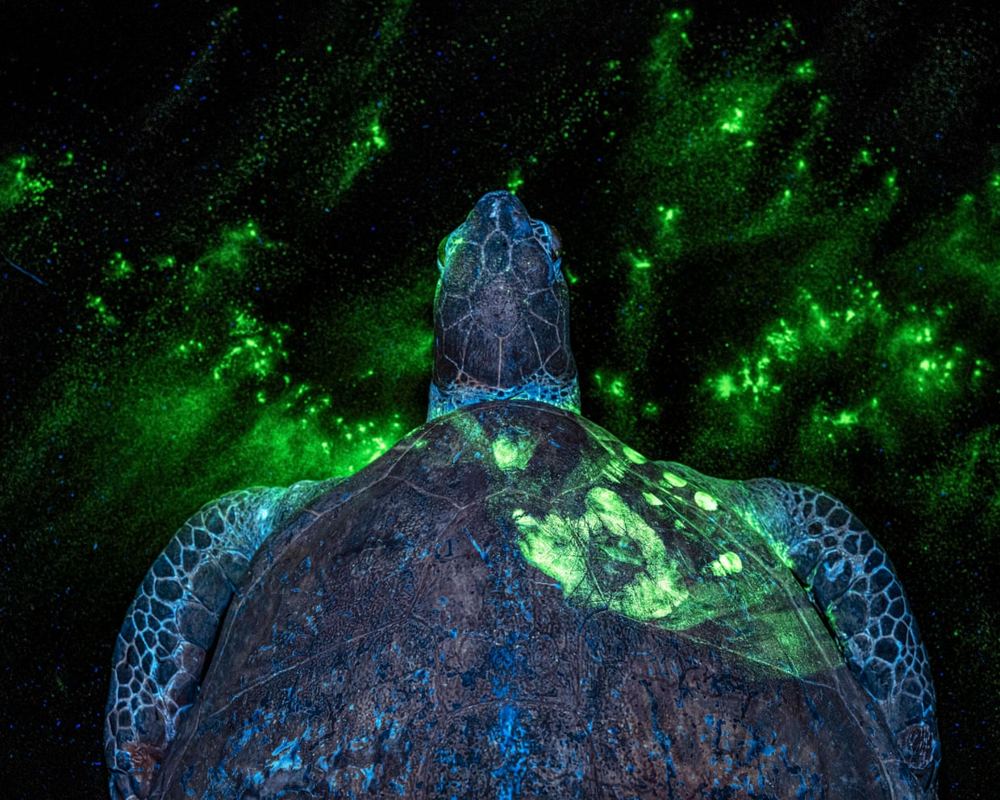
Britta Jaschinski’s winning work highlights the scale of the illegal wildlife trade, an industry valued at $23bn. Her images document forensic investigator Mark Moseley from London’s Metropolitan Police using newly developed magnetic powder to lift fingerprints from elephant tusks confiscated at Heathrow. The technique, also demonstrated on a green sea turtle, offers European border authorities a tangible method to disrupt international trafficking networks.
The economic fallout of climate change features prominently in Mohammad Rakibul Hasan’s film, which won a New Scientist Editors award. It tracks teenager Mohammad Saown from the haor wetlands of Kishoreganj, Bangladesh, whose family lost their farmland to intensifying monsoon floods. Forced into the brickfields of Narayanganj, these displaced workers represent a growing demographic of climate migrants entering gruelling informal labour markets.
Resource extraction and land rights are central to Payal Kakkar’s Climate of Change award-winning series. Kakkar documents the Khairwar Indigenous community in India’s Singrauli region resisting coal mining expansion. In December 2025, mining operatives and armed forces forcibly relocated several families from land consumed by the Suliyari mine waste dump without providing resettlement plans.
Environmental degradation also poses a direct threat to public health, as captured by Natalya Saprunova, another New Scientist Editors award recipient. Her work in Canada’s Northwest Territories shows thawing permafrost releasing mercury-laden sediment into the ocean. Traces of this toxic metal have been found in the fat of stranded ringed seals, disrupting marine food chains and threatening Indigenous communities that rely on these animals for subsistence.
The exhibition includes an interactive Summit Photo event running from 17 to 19 July. Other recognised projects include Marco Garro’s documentation of mining pollution in Peru and Gideon Mendel’s Moving Image award-winning film on global flood displacement.