Fitness sector adapts as experts debunk the pull-up gold standard
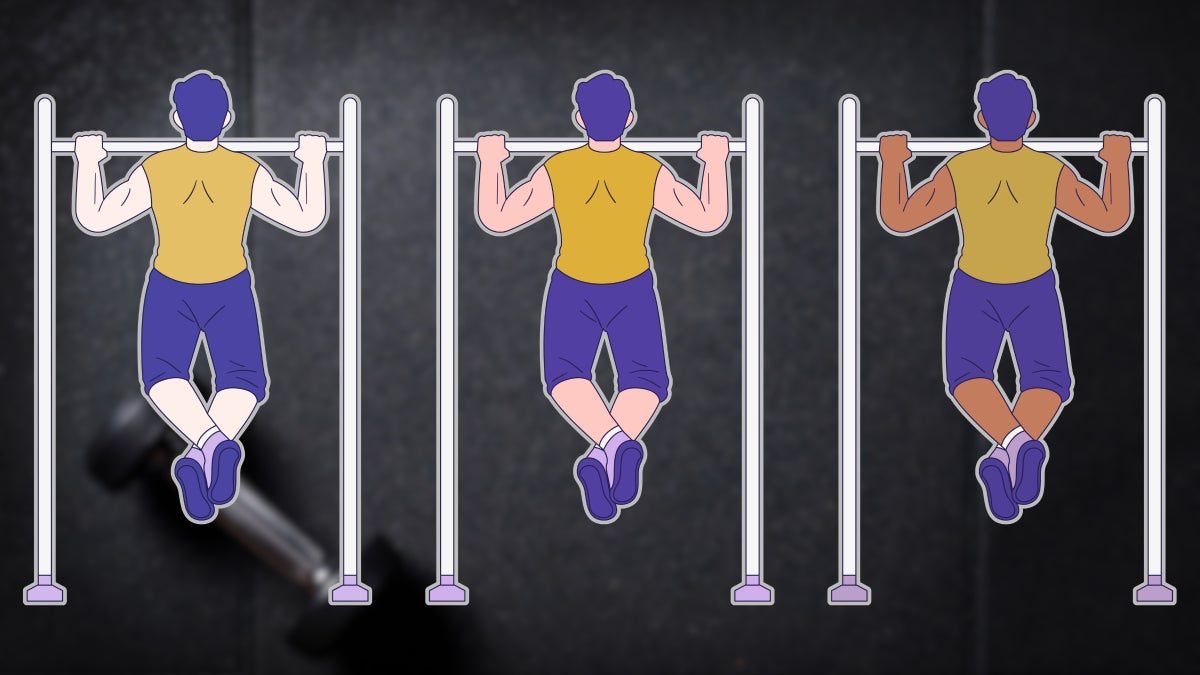
Strength coaches are challenging the pull-up’s status as a premier fitness benchmark, signalling a broader market shift toward functional, sport-specific training equipment.
Strength and conditioning experts are publicly challenging the pull-up’s status as the ultimate benchmark of physical fitness, arguing the classic bodyweight exercise is overrated for modern outdoor athletes. According to Jess Gresho, a Colorado-based performance coach for mountain athletes, the movement is often wrongly treated as a "gold standard" perpetuated by grade-school fitness tests and social media.
While pull-ups undeniably improve grip, forearm strength, and upper-body force production, they operate in a strictly linear pattern. Marc Hoffmeister, a certified strength and conditioning specialist, notes that the exercise is essentially a "pass-fail test" that lacks beginner-friendly progressions and entirely ignores the rotational forces required in almost every outdoor sport.
For the fitness and outdoor recreation economy, this shifting training paradigm alters consumer equipment and service requirements. As recreational athletes abandon rigid bodyweight metrics, gyms and gear manufacturers must pivot from basic calisthenics installations to accommodate versatile routines incorporating dumbbells, resistance bands, and stability equipment.
To replace the traditional pull-up, coaches now recommend six sport-specific alternatives tailored to the physical demands of the outdoor leisure sector. These include the Romanian deadlift for backpackers who must safely carry heavy loads across uneven terrain, and the face pull to counteract the forward-rounded posture of road and gravel cyclists.
Trail runners benefit from single-arm weighted carries that mimic core instability, while mountain bikers utilise challenging plank variations to simulate handlebar steering and braking. Paddlers and climbers are directed toward rotational shoulder exercises and accessible, beginner-friendly rowing movements to build necessary upper-body strength without requiring a full pull-up.
Hoffmeister advises completing three sets of these functional movements, ensuring athletes finish each set feeling they could only manage one or two additional repetitions. "If you feel like you can do five or six more, then you haven’t created enough stimulus in the muscle to actually benefit," he says.
I prefer this response
Response 2
Thinking completed
INSUFFICIENT
I prefer this response