Paris parade and EU accession talks signal Europe's strategic shift
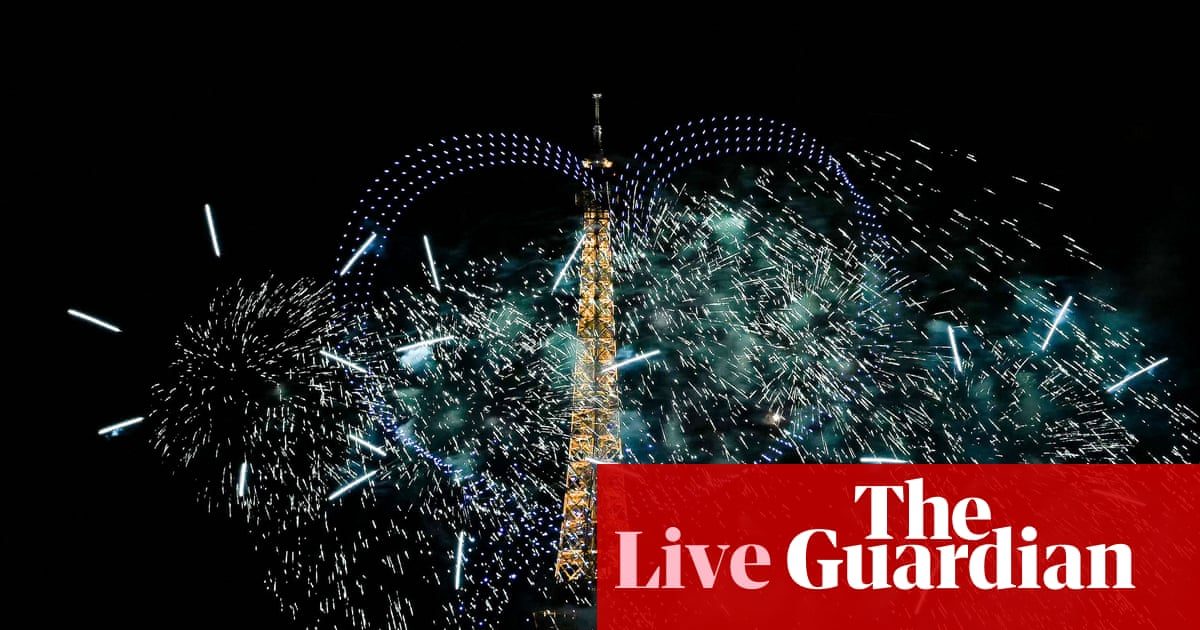
France's Bastille Day parade, featuring allied troops and President Zelenskyy, coincides with a landmark day of EU accession talks, underlining the continent's accelerating military and institutional transformation.
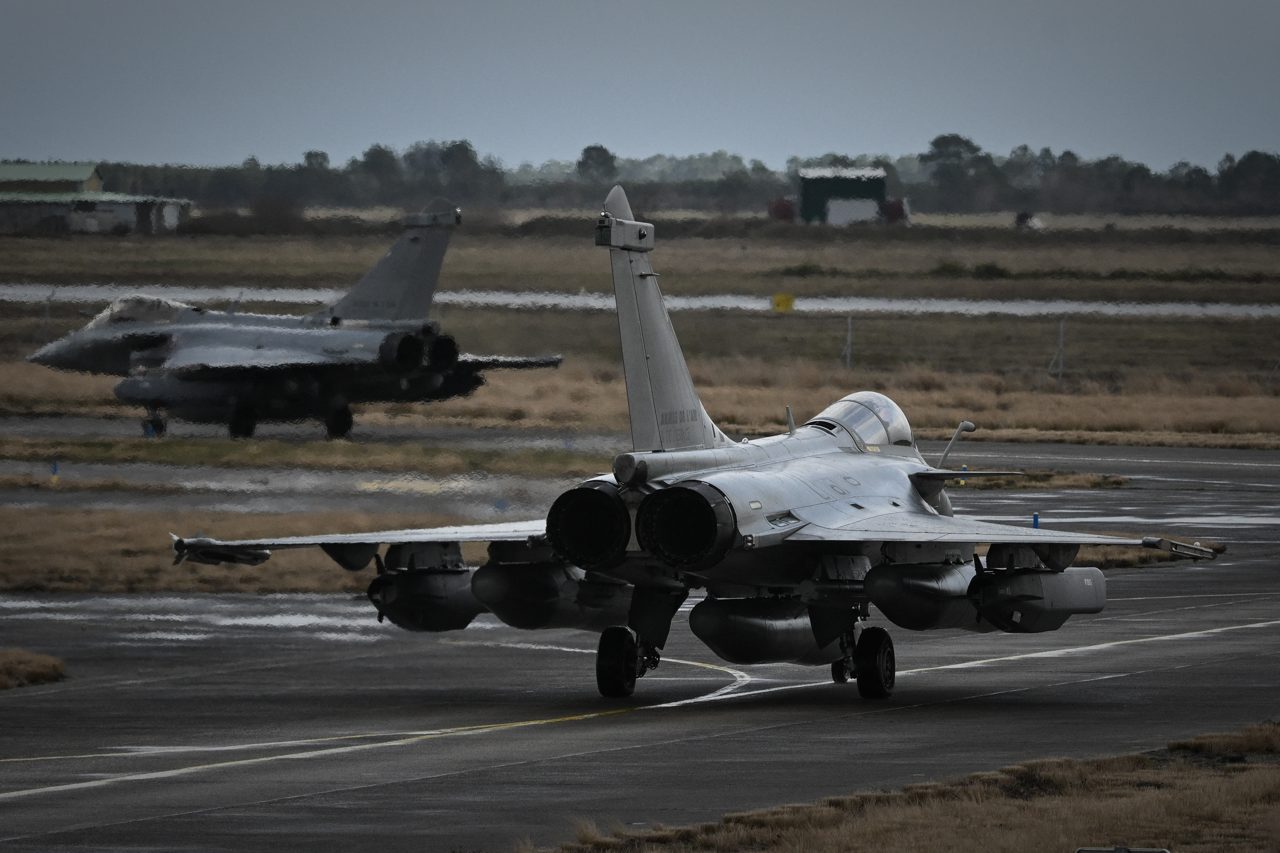
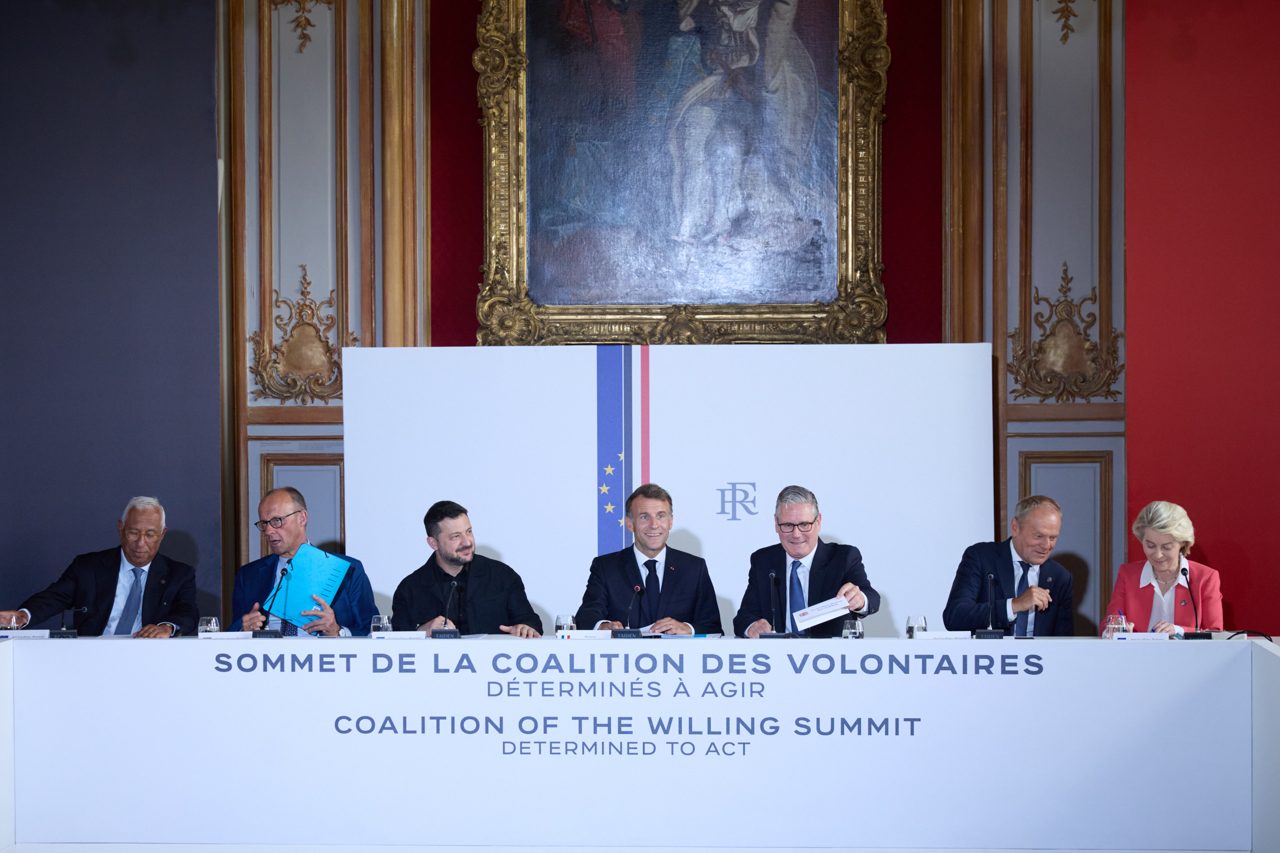
Over 6,500 soldiers and more than 300 vehicles are marching down the Champs-Élysées in Paris today for the annual Bastille Day military parade. The formation notably includes 500 troops from the Coalition of the Willing, among them German soldiers, as well as 25 soldiers from Ukraine. Ukrainian President Volodymyr Zelenskyy is in attendance, having stayed in the capital after hosting talks on the war with European leaders yesterday.
The French government has explicitly designed this year's event to "send a strategic signal" regarding a military awakening across France and the broader continent. For President Emmanuel Macron, the occasion carries specific domestic weight as his tenth and final Bastille Day parade before next year's presidential election. He arrived for the ceremony in an armoured car featuring bright French flag-coloured lights on its grille, taking his place alongside Prime Minister Sébastien Lecornu.
While Paris highlights hard power and military readiness, Brussels is advancing a parallel track of institutional integration by holding four separate accession conferences today with Albania, Moldova, Montenegro and Ukraine. EU enlargement commissioner Marta Kos described the unprecedented scheduling as a "Super Tuesday" for the bloc's eastern and southern expansion.
"In the for more than two decades, we have not had four accession conferences in one day, and this will happen today," Kos said. She identified Montenegro as the current frontrunner to become the next EU member state, noting that it has closed more than half of its required negotiating "clusters." Kos added that all four candidate nations are making solid progress in delivering the internal reforms demanded by Brussels.
For European businesses and investors, the synchronized messaging from Paris and Brussels underscores a structural shift in how the continent is managing its security and economic borders. The presence of allied forces in central Paris reflects the long-term capital requirements of European rearmament, a reality that is already reshaping the continent's defence industrial base. At the same time, advancing four accession processes simultaneously signals a political commitment to eventually expanding the EU's single market, a prospect with significant long-term implications for trade.