German broadcasters split World Cup semi-finals as hospitality sector targets fans
Germany’s free-to-air networks are dividing the remaining World Cup coverage, creating distinct opportunities for subscription services and the hospitality industry following the host nation's early exit.
Germany’s public broadcasters ZDF and ARD will divide coverage of the men’s football World Cup semi-finals. This provides free-to-air access as the tournament reaches its final stages without the host nation.
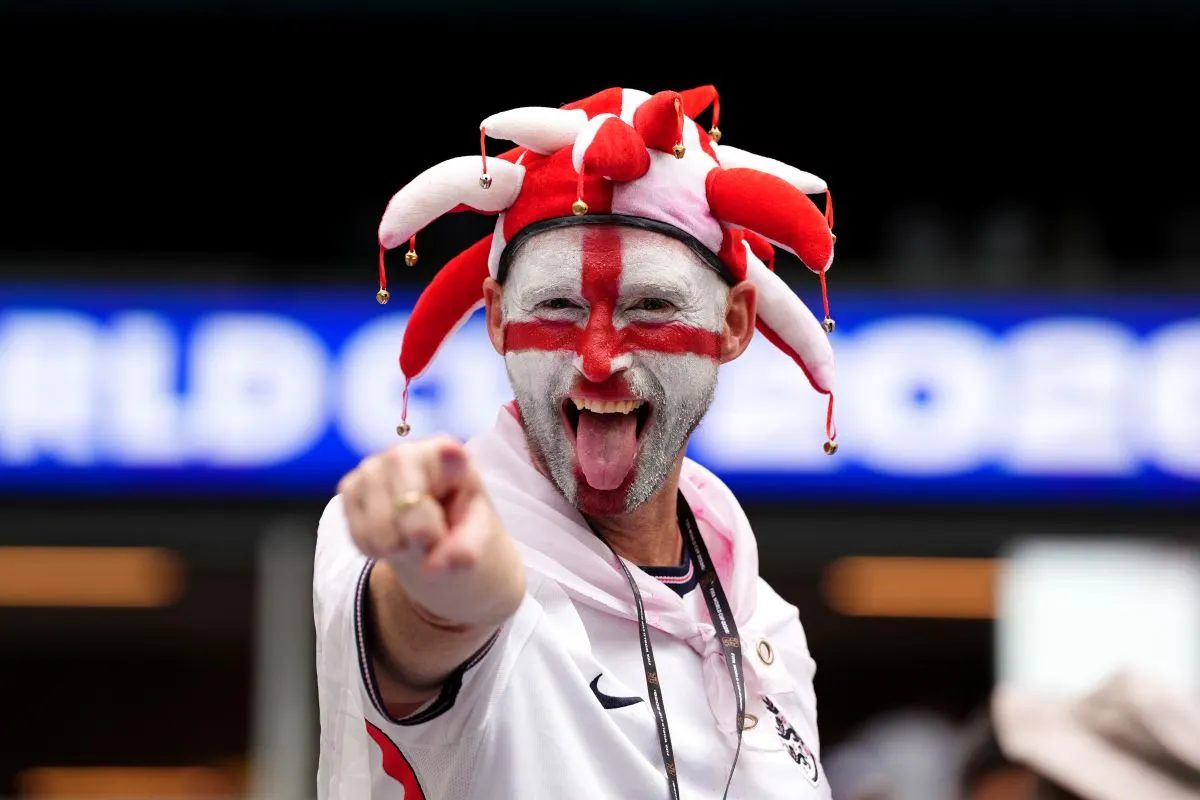
France will face Spain on Tuesday, July 14, at 9pm German time, with ZDF holding the broadcast rights. ARD will cover the Wednesday, July 15, match between England and Argentina, also kicking off at 9pm. Both matches are being played in the United States, featuring 3pm local kick-offs at stadiums in Dallas and Atlanta.
The domestic media focus has shifted following Germany’s elimination in the first knock-out round. A penalty defeat to Paraguay triggered the dismissal of head coach Julian Nagelsmann. Former Liverpool manager Jurgen Klopp is now set to take over the coaching position.
In the broader media market, free-to-air television faces direct competition from paid streaming platforms like MagentaTV. Digitally savvy viewers are utilizing virtual private networks to access English-language commentary from the BBC or ITV. Meanwhile, neighboring public broadcasters like Switzerland’s SRF and Austria’s ORF provide reliable German-language alternatives for cross-border audiences.
Beyond the living room, the hospitality sector is actively capitalizing on the tournament’s climax. Sports bars, restaurants, and beer gardens across Germany are promoting public viewing events to draw crowds despite the absence of the German team.
In Berlin, several commercial venues have formally announced their screening plans to capture this specific market demand. Establishments including BRLO Brwhouse at Gleisdreieck, KulturBrauerei, Manifesto Market, the Social Hub Berlin, and the Centre at Potsdamer Platz are preparing for increased foot traffic. Consumers are routinely advised to use the search term public viewing alongside their city name to identify local screening options.