White House seeks utility pledge to shield households from AI grid costs
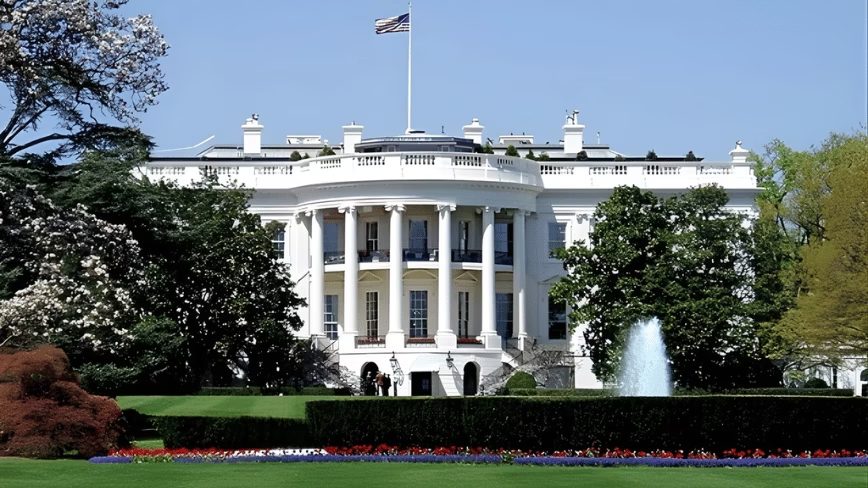
The White House is preparing a voluntary agreement with power companies and state governors to prevent the massive infrastructure costs of artificial intelligence from driving up residential electricity bills, highlighting the growing tension between rapid tech expansion and consumer protection.
The White House is organising an event within the coming weeks to secure commitments from electric utilities, data centre developers, and state governors. The objective is to ensure that the massive infrastructure buildout required by artificial intelligence does not result in higher electricity bills for households.
This initiative extends the Ratepayer Protection Pledge introduced in March, which was signed by major technology firms including Amazon, Google, Meta, Microsoft, OpenAI, Oracle, and xAI. That earlier agreement committed these companies to fund their own generation and grid upgrades rather than passing the costs to existing customers.
However, the original pledge targeted the wrong entities, as hyperscale technology companies do not set retail electricity tariffs. By bringing governors and utilities to the table, the administration acknowledges that state regulators and public utility commissions hold the actual authority over rate increases.
Despite the political signalling, any new agreement will remain voluntary and non-binding. The White House holds no direct authority over electricity markets, meaning utilities will still argue their rate cases independently before commissioners who are not bound by promises made in Washington.
The cost of the AI buildout
The financial pressure driving this political manoeuvre is substantial. American utilities are planning approximately $1.4 trillion in capital spending by 2030 to meet AI demand, raising fears that residential customers could end up subsidising grid upgrades for some of the world’s most valuable companies.
Industrial users are already experiencing the fallout of this energy competition. Manufacturers in the Rust Belt have observed capacity charges climb steeply as data centres aggressively bid for the same available megawatts.
Lawmakers are also taking notice of the imbalance. The US House of Representatives has advanced legislation aimed at forcing data centres to bear their own energy costs, pursuing the same objective as the White House pledge but through binding statute rather than a voluntary signing ceremony.
The administration maintains that the United States can only win the artificial intelligence race by accelerating generation and transmission construction. Yet, it simultaneously insists that consumers should not pay for this rapid expansion, a contradiction the voluntary pledge attempts to manage.
For European investors and policymakers, this dynamic serves as a stark warning about the hidden costs of the AI boom. As federal energy regulators fast-track grid connections for data centres to speed up the buildout, the risk of socialising infrastructure costs remains a critical vulnerability in the technology sector’s growth model.
No date has been set for the upcoming event, and the White House has not disclosed which utilities intend to attend. The eventual guest list will reveal how many power companies believe they can safely make voluntary promises about future rates amidst surging demand.