Ukraine strikes 11 ships on key Russian grain route
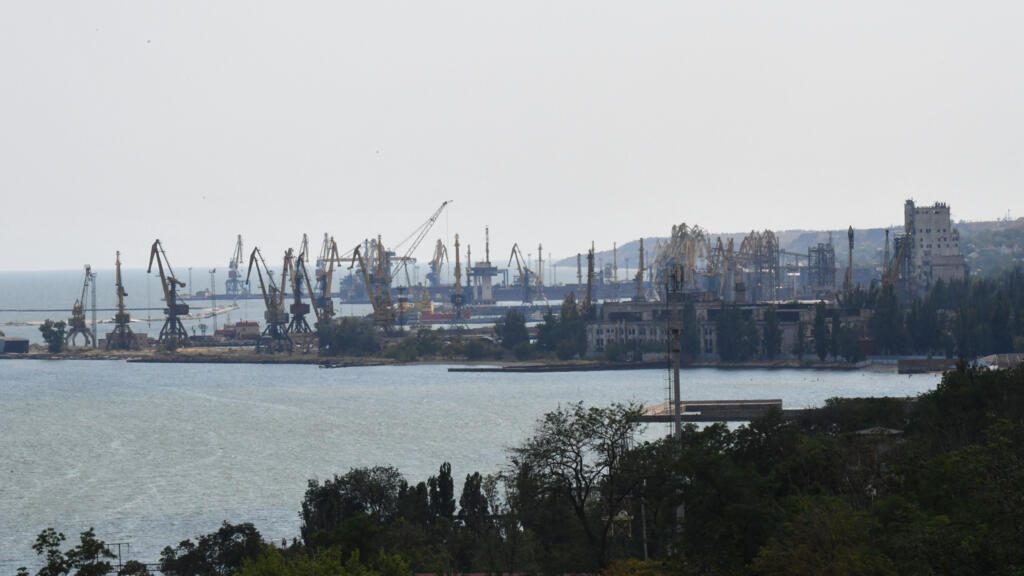
Ukrainian drone strikes on 11 Russian commercial vessels threaten a shipping route handling a quarter of Russia's grain exports, testing Moscow's ability to maintain trade flows.
Ukrainian drones attacked 11 Russian commercial vessels in the Sea of Azov overnight on Tuesday, escalating a campaign that has now targeted 116 ships in just nine days. Kyiv's drone forces commander, Robert Brovdi, stated the latest barrage hit five tankers, five dry cargo vessels, and a tugboat.
The Sea of Azov is a strategic waterway bordered by Russia, occupied southern Ukraine, and annexed Crimea. The strikes directly threaten a vital maritime corridor for Russian agricultural trade. This specific route handles a quarter of Russia's grain exports, representing a significant volume for global commodity markets.
Moscow moved to calm potential market jitters on Tuesday. Russia's agriculture ministry issued a statement insisting that export capacities remain intact despite the increased frequency of Ukrainian attacks. "The situation in the Azov Sea will not affect the domestic market's food supply or our country's export capabilities," the ministry said.
To manage the risk, the ministry stated it is taking all necessary measures to ensure vessel safety in the area. Freight traffic is being rerouted to alternative corridors. "If necessary", the ministry added, "cargo will be redirected to other modes of transport." The logistical challenge of moving a quarter of grain exports to alternative networks remains a pressing concern for supply chain monitors.
Beyond agricultural exports, the attacks are designed to disrupt Russian energy logistics at a time when the country faces a domestic fuel crisis. Brovdi said the operations specifically aim to damage Russia's "shadow fleet" and limit petrol supplies to Moscow-controlled Crimea.
The focus on commercial tankers and dry cargo vessels underscores Kyiv's strategy to impose continuous economic friction on Russian logistics. For European investors and commodity traders, the sustained degradation of the Sea of Azov as a reliable export channel adds a new layer of risk to regional supply chain stability and pricing.