UK extends festival licences in £15m music economy push

The UK government has unveiled a £15 million funding boost and longer event licences to safeguard its £8 billion music industry and maintain its grip on a lucrative £11.2 billion tourism market.
The UK government has committed £15 million to its music sector, bringing total state support for artists and businesses to £45 million. The funding forms the backbone of a new strategy, Turn It Up: Our Plan for Music, designed to sustain an industry that contributes £8 billion annually to the domestic economy. The package aims to bankroll over 2,000 music projects across three years, targeting thousands of grassroots initiatives and more than 40,000 artists and businesses.
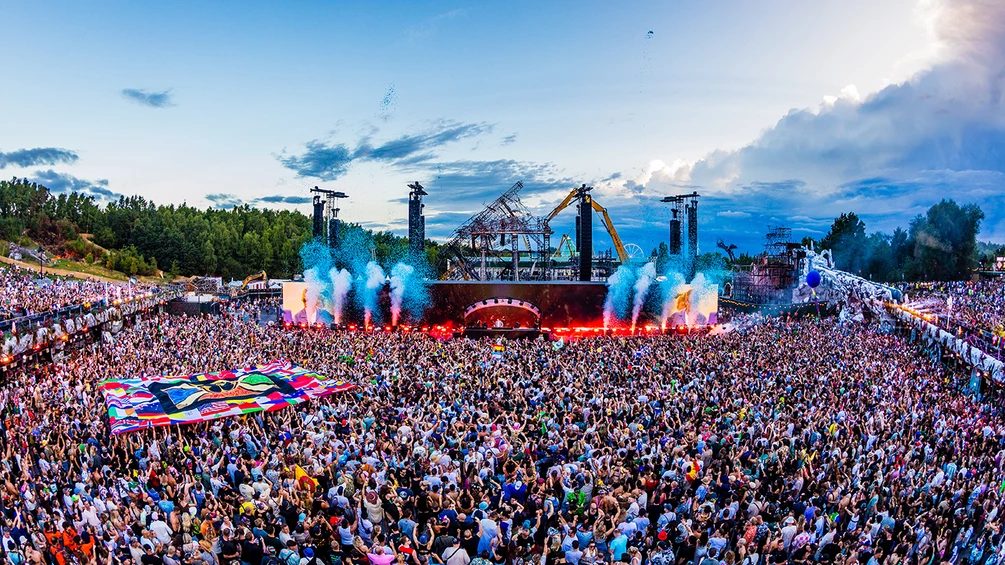
For event organisers and venue operators, the most immediately impactful change is regulatory. The government will now grant minimum three-year licences to new festivals and five-year contracts to established events. Additionally, the annual cap on Temporary Event Notices will rise from 15 to 20 per venue, expanding capacity for smaller premises to host alcohol-serving entertainment and live music events.
These regulatory shifts are aimed directly at protecting a massive economic engine and giving businesses the certainty needed for long-term investment. A recent study by industry body UK Music found that music tourism generated £11.2 billion in 2025, with large-scale concerts drawing 24.7 million visitors to the UK last year. Securing longer licences reduces the financial risk for promoters booking international acts years in advance, a vital factor in keeping those tourist revenues on British soil rather than losing them to continental rivals.
Beyond the headline funding and licence reforms, the state is directing £12.5 million to build music lending libraries. These facilities will offer free access to studio spaces, mixing desks, and recording booths. The plan also includes creative mentoring for care-experienced young people and the creation of a dedicated "Music Champion" to act as a middleman between the sector and ministers.
"Music is our shared language. It brings people together, breaks down barriers and gives voice to every community," said Culture Secretary Lisa Nandy. She added: "We believe music belongs to everyone, not just the privileged few. That’s how we widen opportunity, strengthen our communities and ensure the UK’s incredible fans and extraordinary musical talent continues to inspire the world for generations to come."
However, trade bodies indicate the plan stops short of solving deeper structural bottlenecks. Gee Davy, CEO of the Association of Independent Music (AIM), called the government's plan a "good starting point". She urged ministers to "take a further step to effectively incentivise investment in new music, with an investigation into the challenging environment surrounding studios and the music production cycle".