US inflation eases to 3.5% on brief Iran truce, but oil prices surge again
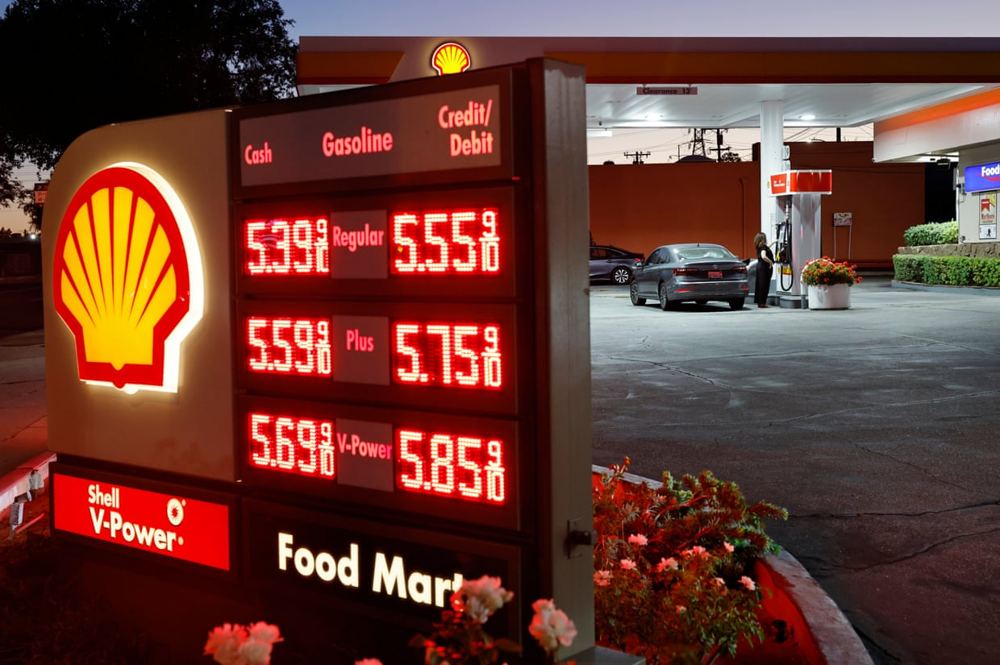
A brief US-Iran ceasefire pushed American inflation down to 3.5% in June, but the collapse of that deal and new Gulf tensions threaten to renew energy price shocks that will quickly reach Europe.
US consumer price inflation fell to an annual rate of 3.5% in June, offering temporary relief after a spike to 4.2% the previous month. The 0.8% monthly drop was the largest since April 2020, driven almost entirely by a collapse in energy costs following a short-lived US-Iran ceasefire.
That truce has now collapsed, and the resulting geopolitical friction is already reversing the price drop. Brent crude, the global benchmark, surged to $80 on Monday after touching $67 earlier in July. Donald Trump declared that the Strait of Hormuz will remain open “with or without Iran” and announced a reinstated blockade of Iranian ports. Because a fifth of the world’s oil and gas transits that chokepoint, any prolonged disruption guarantees higher energy costs for European importers.
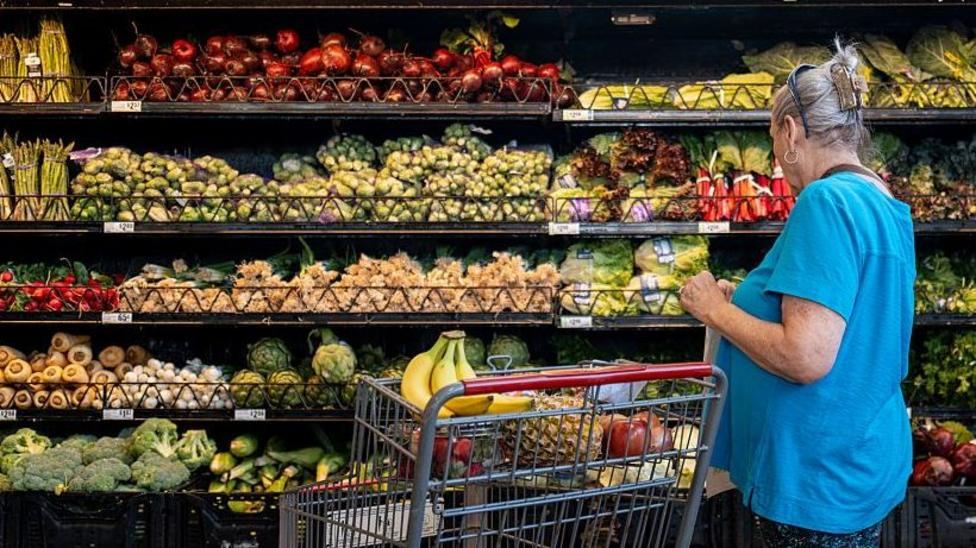
The volatility is already rippling through corporate supply chains. Delta warned last week that elevated airfares will persist after the airline passed 60% of its additional fuel costs onto consumers. While gasoline and fuel oil prices dropped sharply in June, core inflation, which excludes energy and food, held steady at 2.6% year-over-year. Food, utilities and shelter costs all increased.
Federal Reserve officials will weigh these conflicting signals at their meeting on 28 and 29 July. Inflation remains well above the central bank’s 2% target, yet the American labour market has shown resilience, adding an average of 111,000 jobs per month over the last quarter.
Testifying before the House financial services committee on Tuesday, new Fed chair Kevin Warsh acknowledged the turbulence but struck a confident tone. He vowed that “the inflation surge of the last five years will be a thing of the past”. Warsh defined price stability as “a change in prices such that households and businesses don’t have to worry about it, don’t have to think about it”.
Looking past the immediate energy shocks, Warsh highlighted artificial intelligence as “perhaps the most significant change in our economy in my adult lifetime”. He argued the technology would ultimately drive productivity and wages, but cautioned that “the long term can be quite far out, and we’ve got to monitor things month by month, quarter by quarter, as we get there.”