Spanish prime minister’s brother banned from public office for nine years
The conviction of David Sánchez for administrative misconduct intensifies political pressure on Pedro Sánchez’s government, raising fresh questions about institutional stability and the rule of law in Spain.
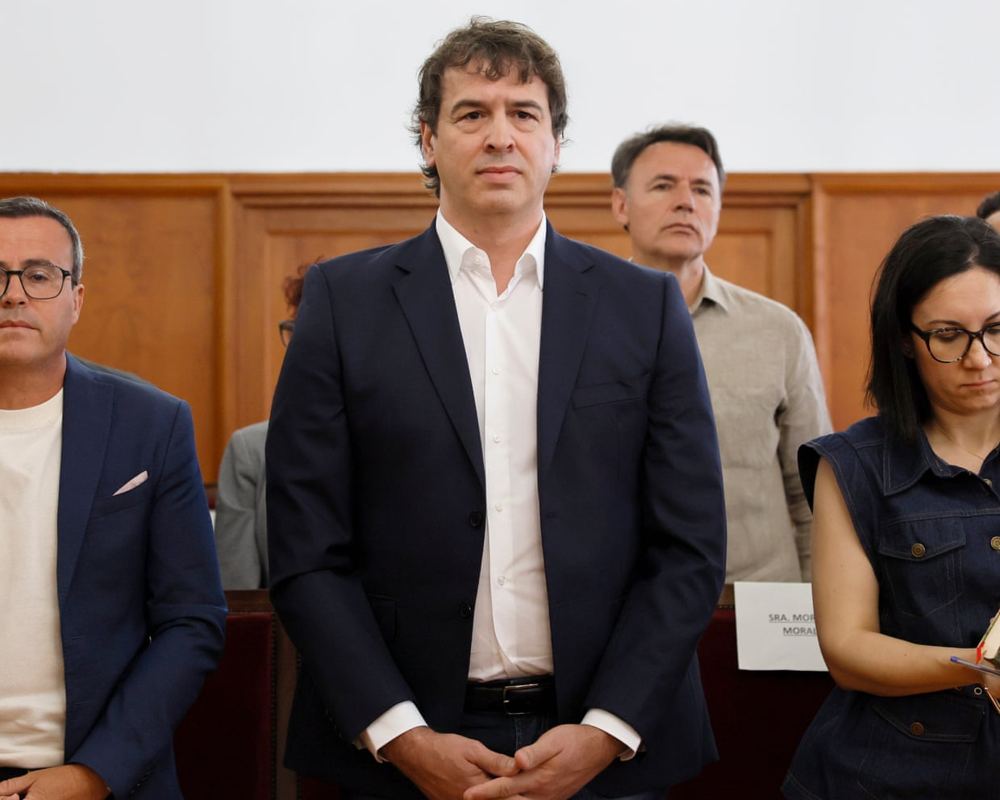
David Sánchez, the brother of Spanish Prime Minister Pedro Sánchez, has been banned from holding public office for nine years. A court in Badajoz found him guilty of administrative misconduct related to his hiring by a socialist-led council in Extremadura in 2017, though he was cleared of the more serious charge of influence peddling.
The court ruled that the coordinator position created for him at public music schools was neither necessary nor urgent, serving his particular interest rather than the general public good. However, judges determined there was no proof that anyone exerted improper pressure or exploited hierarchical relationships to secure the role.
Nine co-defendants received identical nine-year bans from public office. Miguel Ángel Gallardo, the former leader of the Spanish Socialist Workers’ party (PSOE) in Extremadura, was handed an 18-year ban after being convicted of two counts of misconduct. All verdicts remain subject to appeal.
This ruling escalates political tensions in Madrid, providing fresh ammunition to opposition parties demanding a snap general election. Conservative People’s Party leader Alberto Núñez Feijóo framed the conviction as proof that Spain’s rule of law remains intact, stating that no one is above the law regardless of their family connections.
The Spanish government has firmly rejected the implications of the trial. Prime Minister Sánchez has previously described the legal actions against his family as a coordinated harassment campaign, while government spokesperson Elma Saiz expressed confidence that higher courts will ultimately establish David Sánchez’s innocence.
The case arrives alongside other high-profile legal challenges facing the prime minister’s inner circle, including an ongoing trial of his wife, Begoña Gómez, on charges of embezzlement and influence peddling. Transport Minister Óscar Puente argued that political opponents are straining judicial institutions to achieve what they cannot accomplish at the ballot box.
For European observers, the sustained legal scrutiny of Spain’s ruling family highlights the vulnerability of political consensus in one of the eurozone’s largest economies. As opposition voices intensify their rhetoric, the government’s ability to maintain legislative focus may face continued disruption.