Austria's bathing waters rank excellent, but swimmers face strict local rules
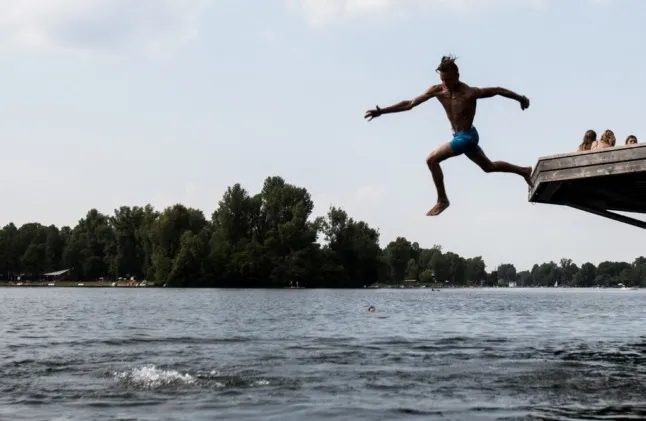
Austria’s 2025 bathing season has opened with 96.5% of monitored sites rated excellent, though visitors and tourism operators must navigate a complex, fragmented web of federal and local regulations to avoid liability and health risks.
Austrian authorities assessed 260 bathing sites for the 2025 season, which runs from June 15th to August 31st. Of these, 251 sites, or 96.5 percent, achieved an "excellent" rating, while 99.6 percent met overall EU water-quality requirements. However, high water quality does not automatically make a location legally safe for swimming.
For tourism businesses and municipalities, this regulatory complexity creates a significant compliance and liability challenge. Rules vary drastically depending on whether a location is an official EU-monitored site, a municipal Strandbad, or an informal stretch of riverbank. Factors like boat traffic, private land ownership and nature protections all dictate different legal frameworks.
At paid municipal facilities, operators enforce strict liability shields. In Vienna, for example, a facility's Badeordnung becomes legally binding the moment a visitor buys a ticket or enters the premises. Staff can expel anyone who endangers others or ignores safety signage without offering a refund.
Federal laws add another layer of restriction, particularly concerning commercial traffic on lakes. Under Austria’s Lake and River Traffic Regulations, swimming is prohibited within 100 metres of harbour entrances, ferry landing stages, cargo facilities and shipyards. Swimmers must also stay at least 30 metres away from any passing vessel and cannot force boats to change course or reduce speed.
Local governments frequently introduce further restrictions to separate swimmers from other water users. Upper Austria designates specific Badeschutzzone areas that exclude motorboats, surfers and stand-up paddleboards during the main season. On Vienna’s Donauinsel, swimming and water sports are banned within 100 metres of weirs and entirely prohibited during high-water events.
Water quality itself is monitored by district administrative authorities, often involving the federal agency AGES. If tests indicate an immediate health risk, authorities can impose a Badeverbot, or swimming ban, which must be displayed prominently on shore. Unmonitored informal swimming spots do not appear in the AGES database, meaning visitors bear the full risk of water quality and hidden hazards.
The Austrian Water Rescue advises that clear water and the presence of other swimmers do not guarantee a location is safe or approved. The organisation warns swimmers to check local signs, avoid areas with boat traffic, and exit the water immediately during thunderstorms.