ECB picks 36 providers for 2027 digital euro pilot
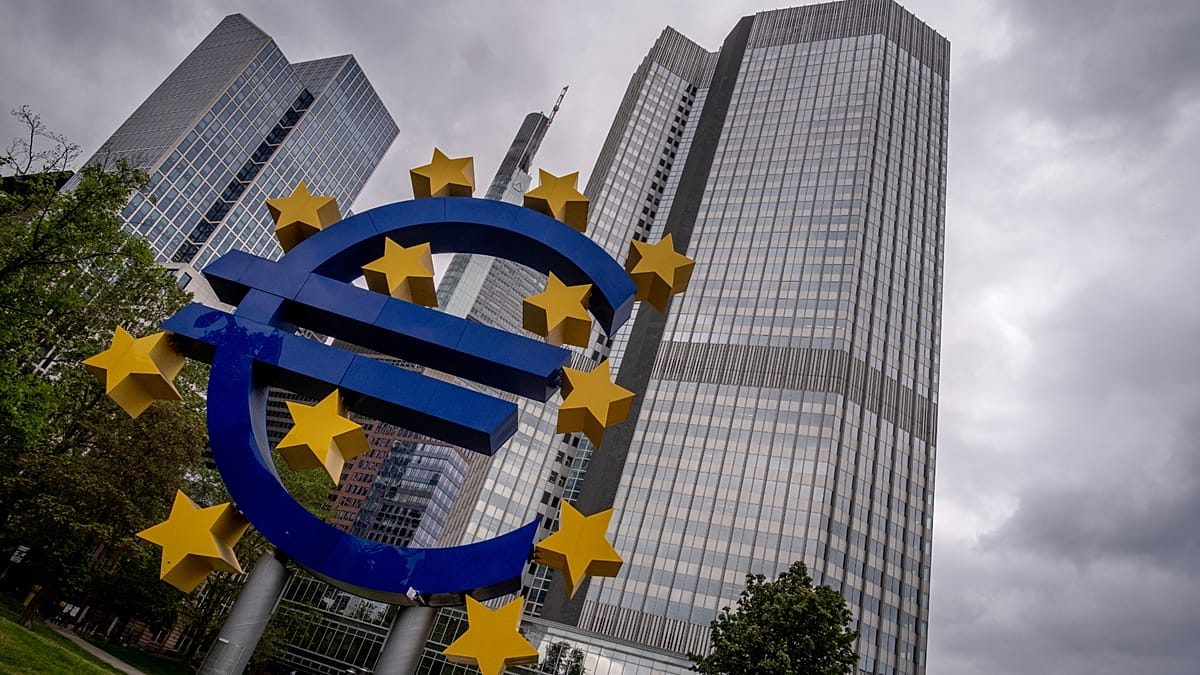
The ECB has chosen major banks and fintechs to test a digital euro, pushing the bloc closer to a home-grown payments network that reduces reliance on US and Chinese systems.
The European Central Bank has named 36 payment providers to participate in a year-long pilot for the digital euro, beginning in the second half of 2027. The group will work alongside the ECB and 19 national central banks to test the technical infrastructure, operational processes and user experience of a future digital currency.
Selected from more than 50 applicants across the euro area, the cohort bridges traditional finance and fintech. Major European institutions like Deutsche Bank and UniCredit will test alongside digital players including Revolut, Adyen and Stripe. Bulgaria and Malta are the only euro area countries not participating through their national central banks.
The pilot will evaluate both online and offline person-to-person and person-to-business payments. This represents the most substantial step forward since the ECB began its preparation phase in late 2023, moving the project from theoretical design to practical integration with consumer and merchant networks.
For Europe's economy, the digital euro is primarily a strategic autonomy initiative. The bloc currently relies heavily on foreign-owned payment infrastructure. "We depend predominantly on US, but also sometimes Chinese, networks to organise payments. We need to have a European solution because we want to be sovereign at home," ECB President Christine Lagarde said last week.
To avoid disrupting the commercial banking sector, the planned digital currency will not pay interest and holdings will likely be capped to prevent significant outflows from commercial bank deposits. Consumers will access it free of charge through supervised providers.
"The strong market interest in the pilot shows the private sector's readiness to engage actively and quickly advance with the digital euro project to strengthen the European payments landscape," said ECB Executive Board member Piero Cipollone.
However, the 2029 public launch timeline remains contingent on politics rather than technology. The ECB cannot issue the currency without a legal framework, which is currently being negotiated by the European Parliament, the Council and the European Commission. Lawmakers are expected to formalise the legislation in 2027.
The central bank has moved to assuage concerns that digital money would eventually eliminate physical cash. "Cash and the digital euro will both be legal tender, which means that nowhere in Europe can someone say, 'Sorry, I'm not taking your banknotes,'" Lagarde said.