German heatwave caused 7,100 excess deaths
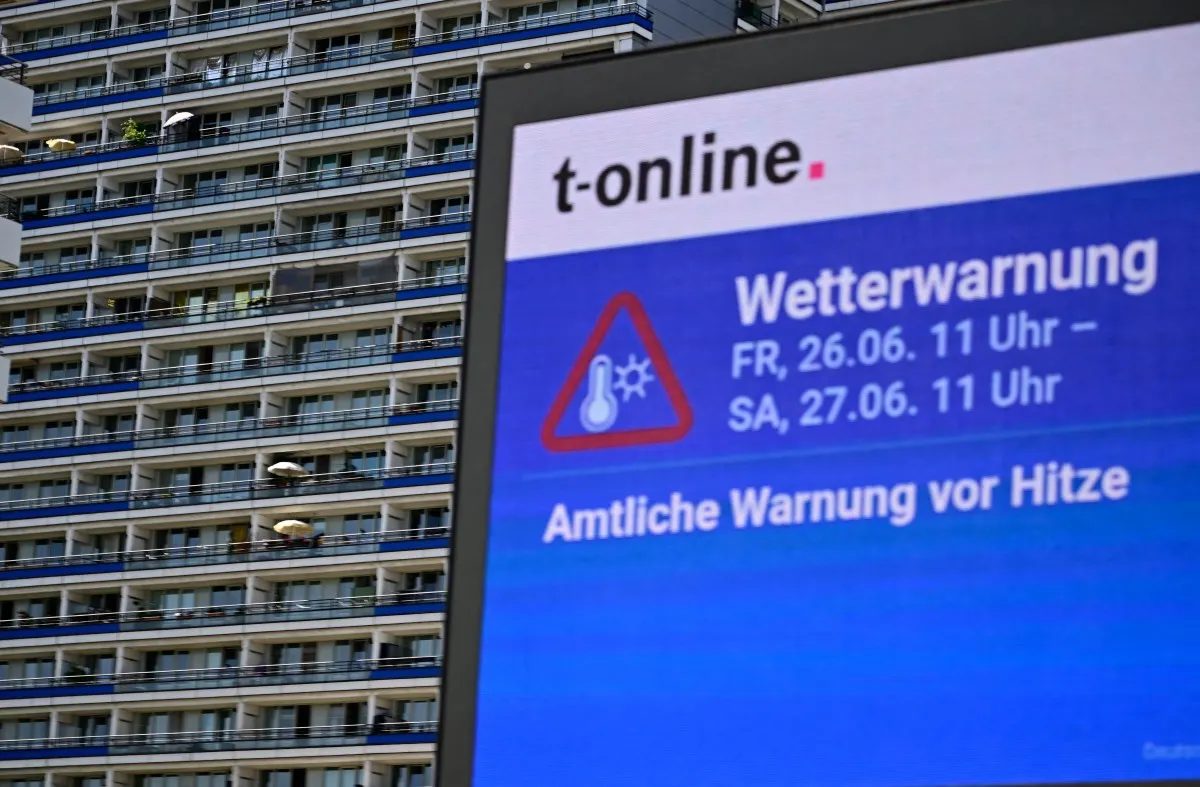
A late-June heatwave caused 7,100 excess deaths in Germany, highlighting the severe economic and infrastructural costs of extreme weather as western Europe records its hottest June.
Germany's statistics agency reported a 32 percent spike in mortality during a late-June heatwave, resulting in approximately 7,100 excess deaths. About 23,900 people died nationwide between June 22 and June 28, representing a sharp increase over the preceding two weeks. The agency revised its initial estimate of 6,800 heat-related fatalities upward to reflect this updated data.
This sudden surge contrasts with the rest of 2026, during which German mortality figures largely stayed within or below the range of the previous four years. The Robert Koch Institute, the country's public health authority, had separately estimated at least 5,100 heat-related deaths for the period. Temperatures in parts of Germany exceeded 41C during the weather event.
The fatalities coincided with western Europe's hottest June on record, according to the EU's climate monitor. For Germany, the June spike approaches the devastating scale of the country's worst previous heatwaves, which saw 8,400 deaths in 2018 and 6,900 in 2019. Until this year, annual heat-related deaths had shown relative stability, ranging between 2,600 and 4,900 from 2022 to 2025.
For businesses and policymakers, these mortality figures represent a stark measure of inadequate climate resilience in Europe's largest economy. Beyond the immediate human toll, extreme heat inflicts direct economic costs on the workforce through reduced physical labor productivity and heightened absenteeism. It also places acute, sudden strain on regional healthcare infrastructure, diverting public resources.
The severity of the death toll underscores the mounting long-term capital expenditure required to adapt European infrastructure to a warming continent. As the EU's climate data confirms a trend of more frequent extreme heat, the economic argument for retrofitting residential and commercial buildings grows more urgent. For investors and governments, the statistics signal that failing to fund adequate climate adaptation carries a quantifiable cost.