Conscientious objector claims in Germany double amid army rebuild
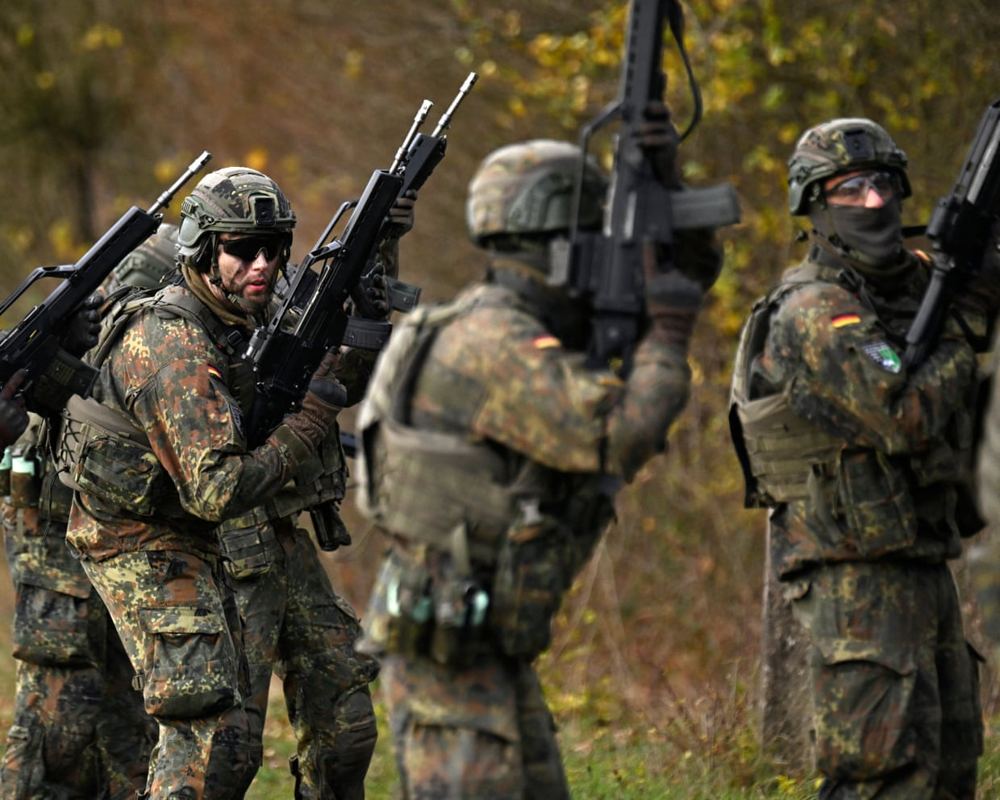
A sharp rise in pre-emptive conscientious objector applications is complicating Berlin's push to build Europe's strongest conventional army as a deterrent against Russia.
Applications for conscientious objector status in Germany surged in the first half of 2026, surpassing the total for all of last year and complicating Berlin's efforts to rebuild its depleted military. The federal office for family affairs received 5,862 requests by June 30, compared to 3,879 in the whole of 2025 and 2,249 in 2024. The spike comes as the government attempts to reverse decades of post-Cold War defence cuts.
The applications are a pre-emptive response to a new policy introduced on January 1 by Defence Minister Boris Pistorius. Germany suspended the draft in 2011, but under the new rules, all men aged 18 must declare their readiness to serve and undergo a medical examination. Women are encouraged to volunteer but face no such obligation.
Chancellor Friedrich Merz has pledged to transform the Bundeswehr into "Europe's strongest conventional army" to counter the Russian threat and respond to pressure from Washington. For Berlin's European neighbours, Germany's ability to field a robust conventional force is a central pillar of continental security. However, the military currently stands at just 186,000 active soldiers and suffers from severe capability gaps.
The co-ruling conservative CDU/CSU bloc has warned that if this voluntary drive fails to reach a target of 260,000 soldiers by 2035, full conscription could be reinstated through new legislation. Germany's constitution guarantees the right to refuse armed service, stating: “No one shall be compelled against his conscience to perform military service involving the use of arms.”
To secure this status pre-emptively, applicants must submit a signed letter of intent, a CV and a personal statement to the Bundeswehr. The rush to file reflects deep anxieties among young Germans about potential future deployments, particularly to security hotspots like the Strait of Hormuz or a postwar Ukraine peacekeeping mission.
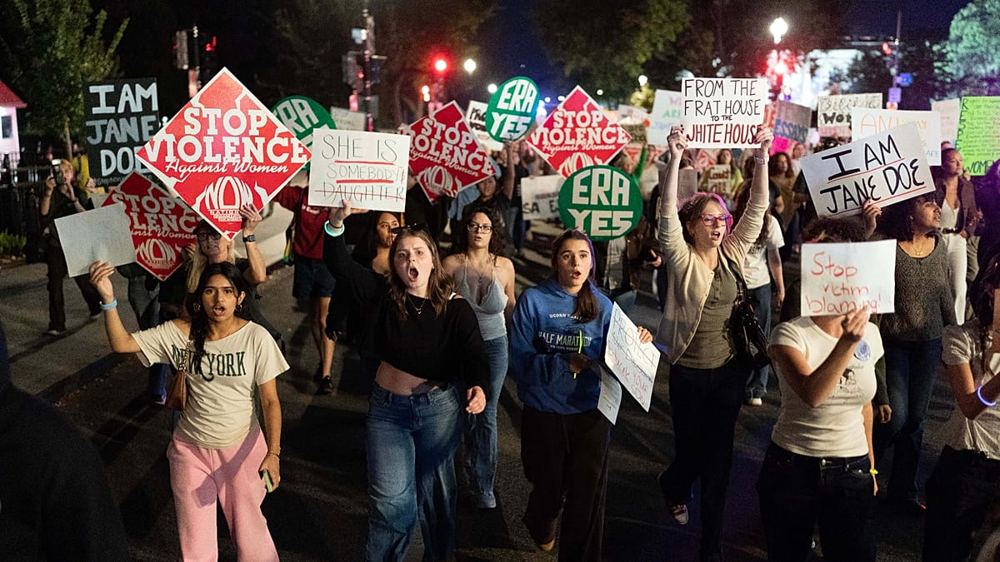
Thousands of young people have staged nationwide "school strikes" this year, accusing the government of trying to turn them into "cannon fodder." This youth resistance presents a stark contrast to broader public opinion, which polls show largely supports rearmament. Yet the trend is not entirely one-sided, as 233 people opted to waive their previously granted objector status in the first quarter of 2026, following 781 reversals in all of 2025.