England-Argentina match spotlights FIFA commercial model
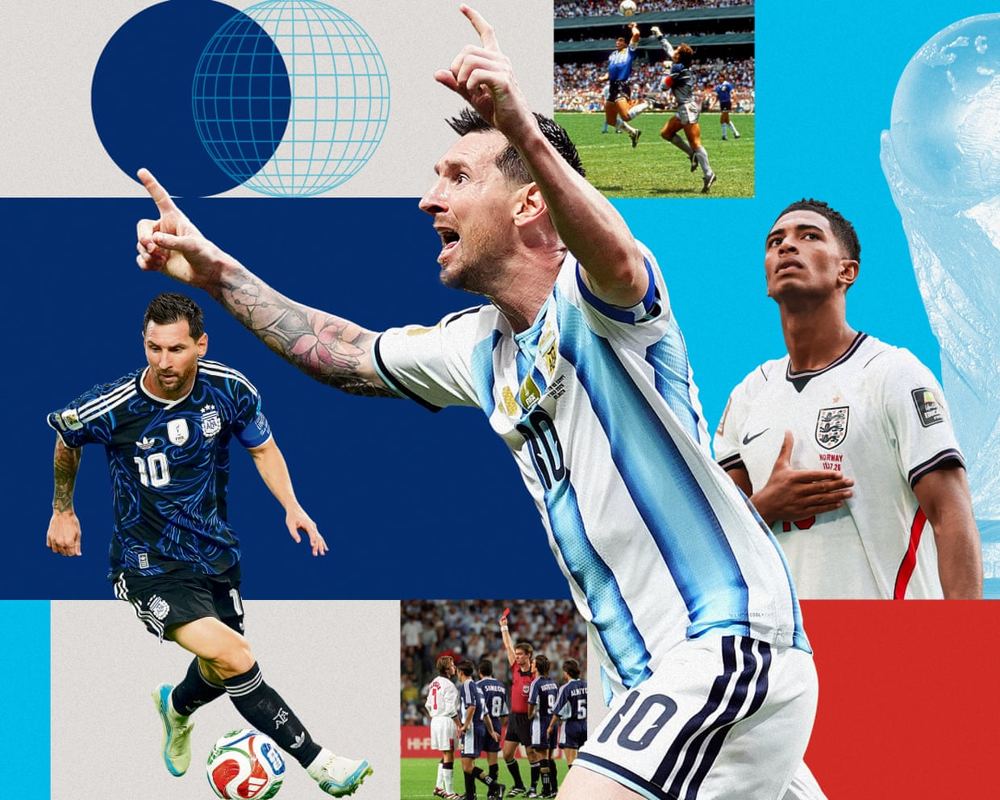
England and Argentina will meet in Atlanta for a place in the World Cup final, highlighting the tournament's heavy commercial reliance on Lionel Messi amid persistent governance concerns.
England will play Argentina in Atlanta on Wednesday night for a place in the World Cup final. The fixture marks Lionel Messi’s first international meeting with England, arriving at a stage of the tournament where the commercial interests of global football governing bodies are most visible.
With 101 games played and three remaining, this matchup carries disproportionate financial weight. There is a widespread suspicion that FIFA wants Messi to remain in the tournament for the "eyeballs, numbers, star power" he provides. Such theories persist because faith in the governing body's processes has already been severely damaged.
The US president has admitted to trying to alter the rules of this tournament. Furthermore, FIFA previously awarded a World Cup to Saudi Arabia "on a show of applause on a Zoom call." These actions have destroyed trust in the organisation's independence, making observers naturally sceptical of any favourable circumstances surrounding major stars.
Tactical precedents from Europe
Beyond the institutional subtext, which includes the ongoing political shadow of the Falkland Islands, the sporting challenge for England is grounded in European club competition. Messi has played 26 games against Premier League clubs since the 2009 Champions League final. He has won 17, lost four and scored 27 goals.
However, his losses against English clubs reveal a clear tactical vulnerability. They came against teams that played at a high tempo and applied aggressive physical pressure. Cape Verde recently demonstrated this exact approach against Argentina, pressing higher up the pitch to strangle Messi's supply lines.
England has the personnel to replicate this European club model. Declan Rice’s running power is a significant asset against such opponents. If England can impose a high-tempo, physical battle, they can disrupt a tournament narrative that FIFA’s commercial machinery heavily depends upon.