Italian cities face uphill battle to cool urban heat islands
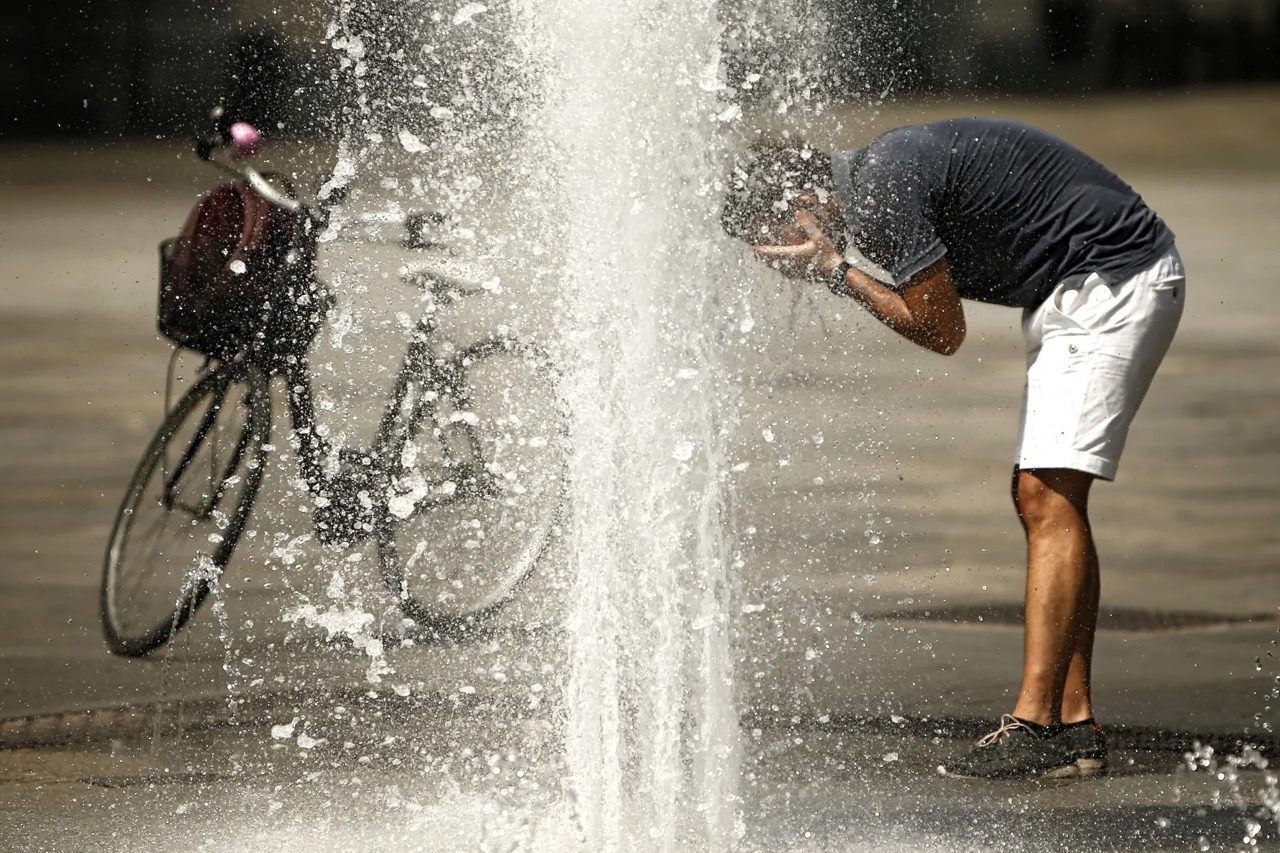
Italian municipalities are rolling out 'depaving' and climate shelter plans to combat lethal urban heat, but current infrastructure investments fall drastically short of what is needed to protect residents and urban economies.
Rome unveiled its Piano Caldo on July 2nd, joining a wave of Italian municipalities deploying green infrastructure. The goal is to counter urban heat islands that elevate city temperatures by 4 to 6 degrees Celsius compared to surrounding rural areas.
The capital's strategy focuses on replacing asphalt with permeable surfaces, expanding tree cover, and designating 660 public "climate shelters" where residents can access free water and air conditioning. However, a high-profile proposal by environmental councillor Sabrina Alfonsi to build a massive shading structure at Termini train station was abruptly scrapped due to its cost, just weeks after ground temperatures at the transit hub hit 80°C.
The retracted project highlights a persistent tension for Italian urban centres: the high upfront cost of climate adaptation versus the long-term economic threat of unlivable cities. Rome's mayor claimed the city was the "first city in Italy to present a real strategy to reduce the impact of heat," warning that extreme temperatures risk "undermining essential infrastructure and urban livability."
In reality, Milan and Florence are further along. Milan's 2022 Air and Climate Plan aims to halve non-porous surfaces by 2030 to create a "Città Spugna" (Sponge City), having already de-paved 50,000 square metres with 27 more sites in the pipeline. The city is also mapping 116 cool spaces and backing a separate initiative to plant 3 million trees by 2030. Florence, meanwhile, is executing a plan to add 10,000 square metres of permeable cover and 50,000 trees across 53 mapped cooling centres.
Despite these municipal blueprints, the physical scale of the interventions remains marginal against the sheer size of the problem. Rome claims to have de-paved 44,000 square metres since 2022, but its metropolitan area spans 5.3 billion square metres, meaning less than 1 percent has been converted.
This slow progress is further undermined by conflicting infrastructure decisions, such as the opening of a new 300-space asphalt parking lot on the Ostia seafront last week. Genoa recently became the first Italian city to write depaving into its municipal urban planning code, though physical works have yet to begin. Regional lawmakers are now attempting to force the issue, with Tuscany preparing a bill on "rigenerazione verde" to mandate the replacement of overheated asphalt zones with parks.
Research indicates that reaching 30 percent urban tree cover can lower temperatures by 1.3°C and cut heat-related deaths by a third. Yet with northern cities like Milan and Turin already averaging more than 2 degrees above rural temperatures, Italian municipalities will need to drastically accelerate both their pace of depaving and their infrastructure budgets to make a measurable dent in the heat.