Bellingham shatters Premier League myth and England's racial barrier
Jude Bellingham’s emergence as England’s defining footballer exposes the economic threat his success abroad poses to the Premier League and marks a historic shift in the nation's racial politics.
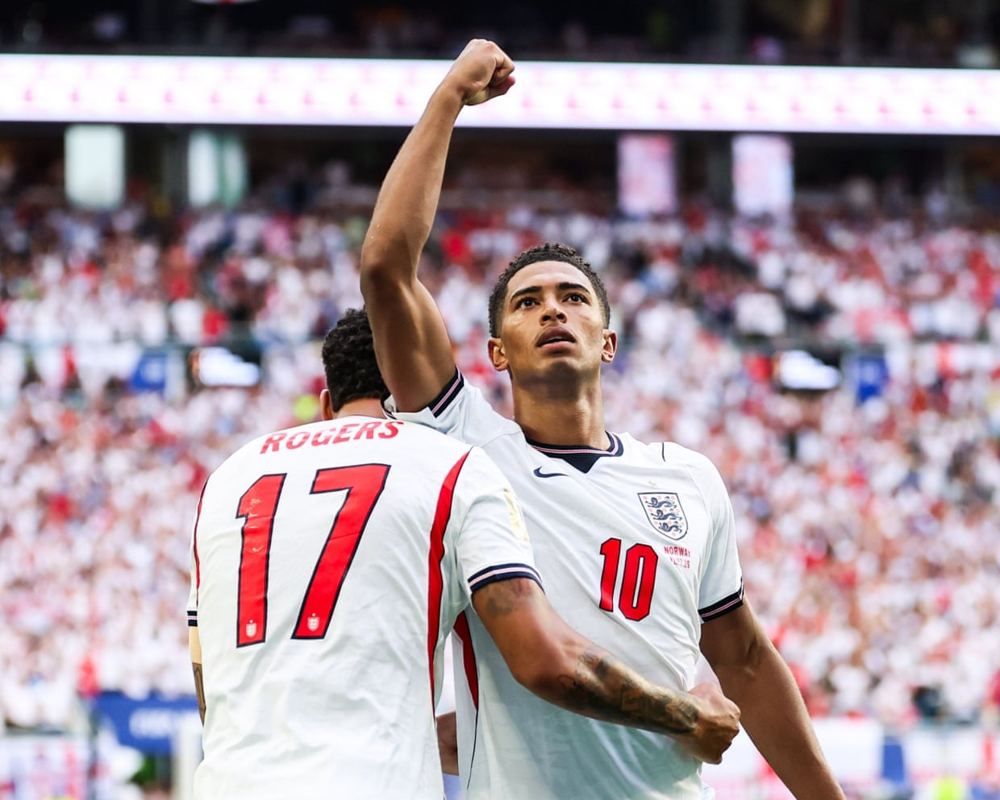
Ahead of the World Cup, Real Madrid midfielder Jude Bellingham has become the undisputed tactical and emotional focal point of the England national team. His status was cemented by producing the greatest individual England tournament performances of recent memory. Yet this ascent has been accompanied by a vocal backlash from domestic pundits and media.
In November 2025, the Daily Mail ran a headline urging the national side to "Leave Jude at home," reflecting a broader narrative questioning whether Bellingham harmed squad harmony. Former player Ian Wright challenged this discourse on the Stick to Football podcast, placing the hostility within a historical tradition of policing Black men’s behaviour. “Someone like Jude, for some reason, frightens these people,” Wright said, adding: “It’s something you’re taught as a Black man … to keep your head down and be, for want of a better word, a humble fucking slave.”
The criticism is not solely rooted in racial dynamics but also in football economics. Bellingham rejected England’s elite clubs for Borussia Dortmund before Real Madrid paid an initial €103m for him, entrusting him with the No 5 shirt previously worn by Zinedine Zidane. His seamless transition to European football's pinnacle is rarely celebrated domestically. Instead, it is treated as an implicit challenge to the Premier League’s claim to occupy the sport's summit.
England has capped exceptional Black players for decades, but the national side has never previously allowed a Black player to be its defining figure. Whether through the social exclusion of John Barnes, which academic Paul Gilroy noted became “a matter of national honour” for some fans, the preference for Alan Shearer over Andrew Cole, or the sustained hostility toward Raheem Sterling, a barrier persisted.
Previous generations of English stars, such as Bryan Robson, David Beckham, and Paul Gascoigne, established a template of what the national team's figurehead should look like. Bellingham exposes the limits of that historical recognition process. The spontaneous chorus of "Hey Jude" that now follows England victories demonstrates a shift in public life, where a Black footballer’s heritage is no longer a barrier to instinctive national identification.
Bellingham’s significance extends beyond sport, illustrating how successive generations of Black Britons are reshaping the country’s cultural fabric. By occupying a space previously denied to players of his background, he demonstrates that Blackness and Englishness are no longer treated as mutually exclusive in the nation's most visible public arena.