California desert surf lagoon deploys Wavegarden tech, cuts water use
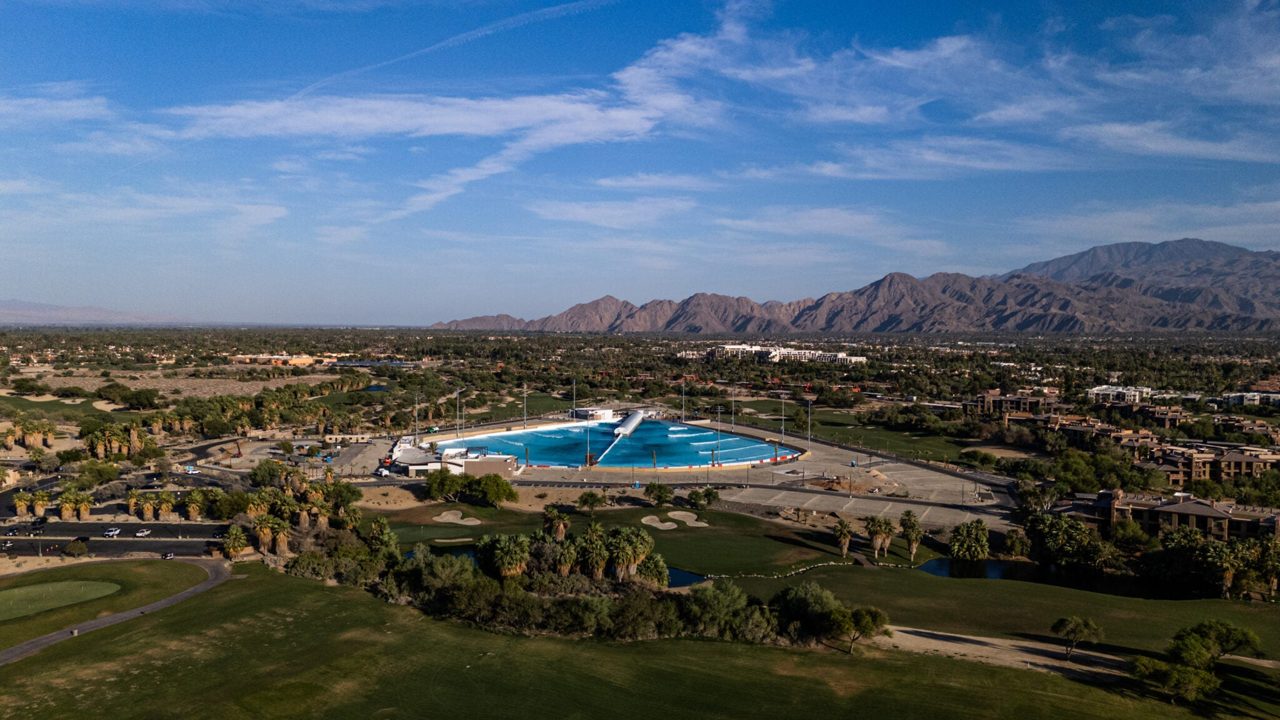
A new California surf lagoon is using Wavegarden technology to generate 1,000 waves an hour while operating on a closed-circuit water system that consumes less water annually than two golf holes.
DSRT Surf in Palm Desert has opened a 5.5-acre lagoon powered by Wavegarden Cove technology. The facility can generate up to 1,000 pristine waves per hour, offering a rapid-fire rhythm that mimics a flawless point break.
The installation boasts a menu of over 60 distinct wave profiles designed to accommodate everyone from beginners to professionals. This level of engineering versatility is a significant commercial asset for surf parks looking to attract a broad consumer base.
The system's programming includes leisurely-paced "CARVING" waves and an "Air Training" setup with a 30-second frequency and custom ramps. For advanced riders, the lagoon features "Turns to Barrel," which links wide carving sections with heavy, hollow interiors.
It also features "Twister," which Wavegarden describes as its most powerful and technical barrel to date. Professional surfers including Rob Machado, Taylor Knox, Damien Hobgood, Josh Kerr, and brothers Griffin and Crosby Colapinto have already tested the facility during its launch phase.
Developing an aquatic leisure complex in the Coachella Valley presents distinct environmental challenges regarding water scarcity. DSRT Surf addressed this by abandoning the public water supply network entirely in favor of a self-sufficient model.
The lagoon operates as a closed circuit fed by a natural well over 200 meters deep. Because the groundwater arrives at a natural temperature of 24°C, the lagoon can be maintained between 25 and 27°C without the massive energy consumption typically required for heating.
Water loss is limited strictly to evaporation. The facility's total annual water consumption equals the volume used by just 1.3 holes on a traditional golf course.
To contextualize this efficiency, the developers implemented a "Turf for Surf" initiative. This involved replacing 71 acres of conventional golf course grass with drought-resistant vegetation, providing a model for repurposing water-intensive real estate in arid climates.
The commercial viability of inland surf parks relies heavily on their adoption by the professional sporting community. Elite athletes noted that the system's hyper-consistency elevates training, drawing a direct comparison to the repetitive wave access that has fueled the competitive dominance of Brazilian surfers.
Establishing this calibre of inland training infrastructure could shift how future talent is developed. It proves that world-class barrels no longer require a coastal address, unlocking new geographic markets for the action sports economy.