DeepMind chief backs self-regulated US AI body

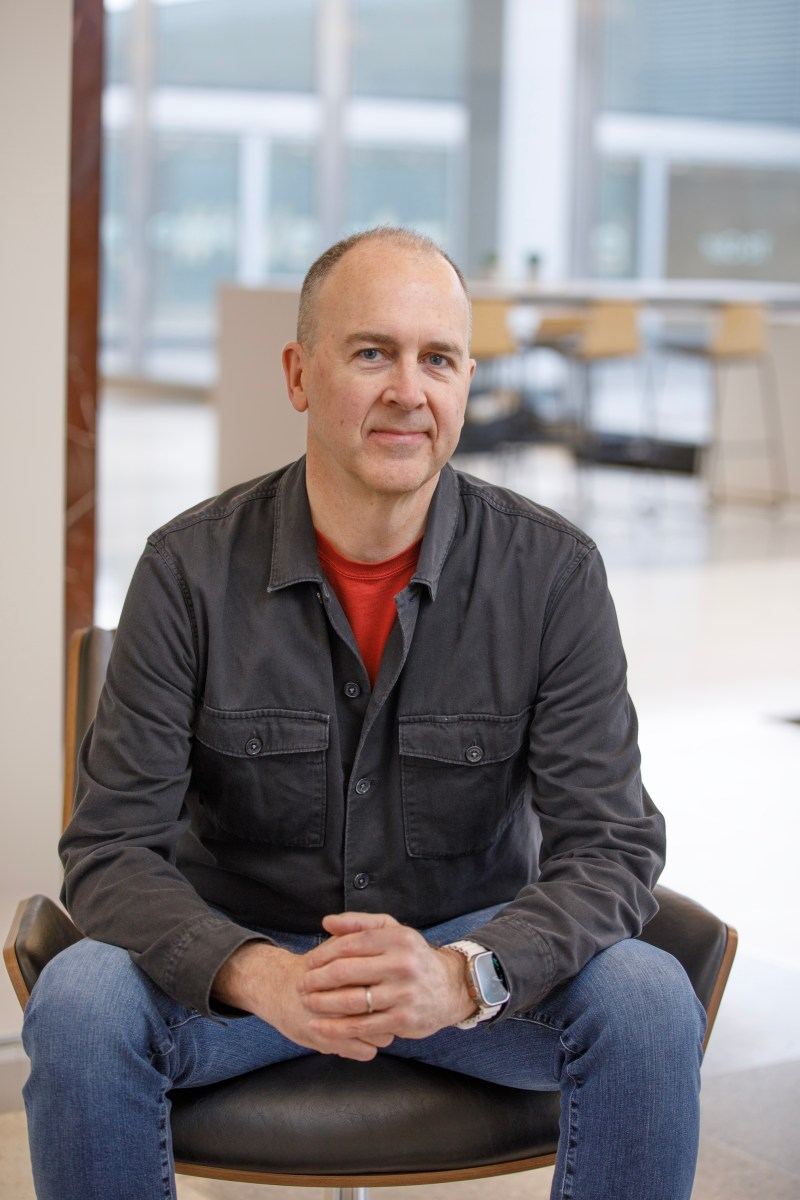
Google DeepMind CEO Demis Hassabis has proposed a FINRA-style self-regulatory organisation for AI releases in the US, a move that highlights the widening regulatory divide between Washington and Brussels.
Google DeepMind CEO Demis Hassabis has called for the creation of an independent standards body to oversee the release of frontier AI models. In a post on X titled “A Framework for Frontier AI and the Dawning of a New Age,” he suggested modelling the organisation after the Financial Industry Regulatory Authority (FINRA).
The proposed system would begin with voluntary compliance. "Initially, Frontier Labs would voluntarily share models with the Standards Body for review up to 30 days before release," Hassabis wrote. He noted that once the assessment protocol is proven robust, "formalisation could quickly follow, meaning that Frontier Models would be required to pass it to be deployed in the US market."
The proposal aims to resolve the technical shortcomings of recent government evaluations. Ad hoc reviews of Anthropic’s Mythos and OpenAI’s Sol faced heavy criticism for opaque decision-making and a lack of technical expertise. To address this, Hassabis envisions the new body being staffed by open source representatives and technical experts, potentially outsourcing specific risk evaluations to specialized AI safety groups.
The organisation would be backed by the US government but funded by the AI industry itself. White House AI advisor and a16z general partner Sriram Krishnan recently stated that "there will not be an FDA for AI." A FINRA-style model could bypass this executive branch opposition while still enforcing baseline standards.
For European investors and tech companies, the proposal underscores a widening transatlantic regulatory split. While the EU relies on the statutory, top-down requirements of the AI Act, the US appears to be coalescing around an industry-led model. "The strength of this approach is it would be technically focused, while at the same time supporting innovation and incentivising responsible behaviour," Hassabis argued.
If adopted, this US framework could accelerate the deployment of frontier models. European businesses purchasing these systems would face a complex dual compliance landscape, navigating Brussels' statutory rules alongside a US self-regulator. "Labs would also work with the Standards Body to address any critical post-release vulnerabilities," Hassabis added.