Bank of England warns of AI bubble as UK loosens capital rules to spur tech lending
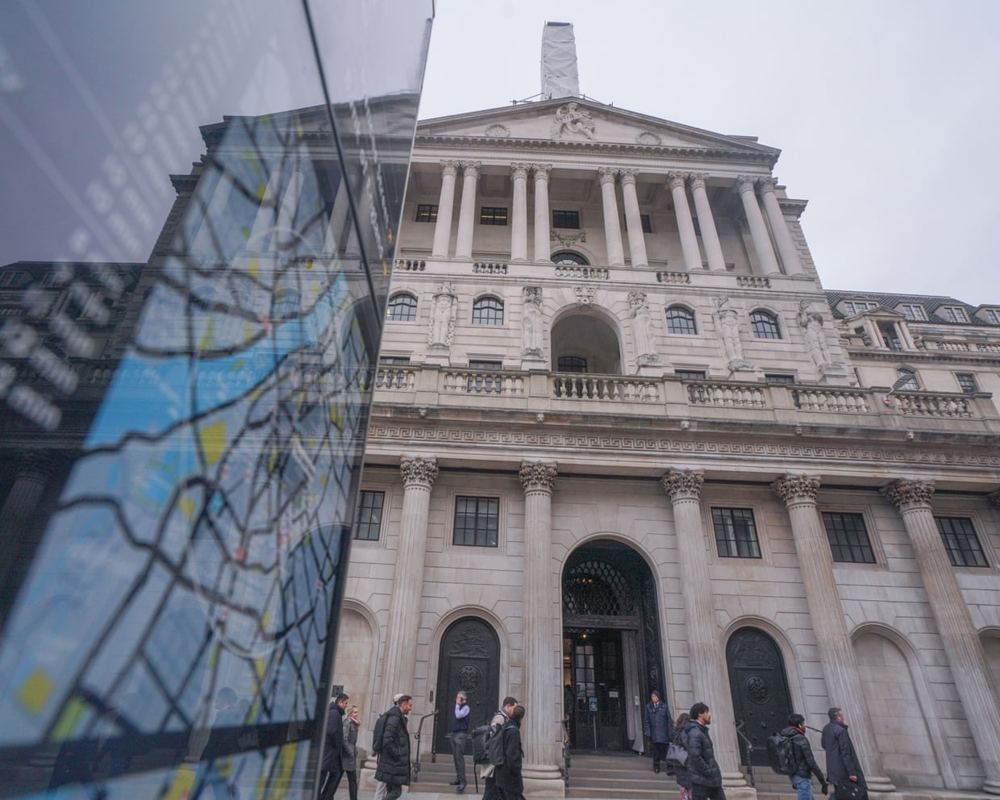
The UK is relaxing post-2008 banking rules to stimulate artificial intelligence investment, even as the central bank warns of a market correction and US industry leaders face mounting legal and operational hurdles.
The Bank of England is preparing to ease post-2008 capital requirements to stimulate lending, aiming to help the UK compete in the global artificial intelligence race. However, the central bank simultaneously warned that excessive lending to hedge funds purchasing AI stocks threatens financial stability.
Bank of England governor Andrew Bailey stated on Tuesday that the risk of a sharp correction in equity markets remains high. He described a triple threat of oversized investment in AI equities, slower-than-predicted technology adoption, and a development pace that will inevitably leave major companies behind.
This precarious balancing act highlights a broader European anxiety. While the UK faces intense pressure to mobilize resources and catch up to the United States and China, regulators are acutely aware that loosening crisis-era safeguards could inflate a dangerous market bubble.
Compounding these macroeconomic concerns are mounting operational and legal challenges for the US companies driving the AI boom. OpenAI is currently defending itself against a lawsuit from Apple, which alleges the artificial intelligence firm orchestrated a campaign to steal trade secrets for its own hardware ambitions.
The legal action marks a stark reversal from 2024, when Apple announced its revamped Siri would integrate ChatGPT. Instead, last month’s update relied on Google’s Gemini. The lawsuit also names Tang Yew Tan, a former Apple vice-president who now heads hardware at OpenAI, alongside the product-less startup of former Apple design chief Sir Jony Ive.
OpenAI acquired Ive’s startup for $6.4bn in equity in 2025. In response to the allegations, the company stated it has no interest in other companies’ trade secrets. Adding to its challenges, second-in-command Fidji Simo recently stepped down, creating a leadership vacuum ahead of its anticipated stock market debut.
The physical footprint of digital ambition
These corporate tensions underscore a shifting reality for the technology sector. The AI boom is no longer just a digital phenomenon but a massive physical undertaking with direct consequences for European communities.
Tech companies are increasingly defined by their offline infrastructure. Observers are now tracking the energy demands and local impacts of sprawling AI datacentres, from the plains of Scotland to polluted neighborhoods in Mumbai and the dry western United States.
For European investors and policymakers, the message is clear. Chasing artificial intelligence growth requires navigating both the financial risks of an overheated market and the tangible, resource-heavy reality of the infrastructure powering it.