Gut microbiome composition linked to pace of biological aging
A new proof-of-concept study demonstrates that specific gut bacteria can predict the rate of biological aging, opening potential new avenues for the European biotechnology and longevity sectors.
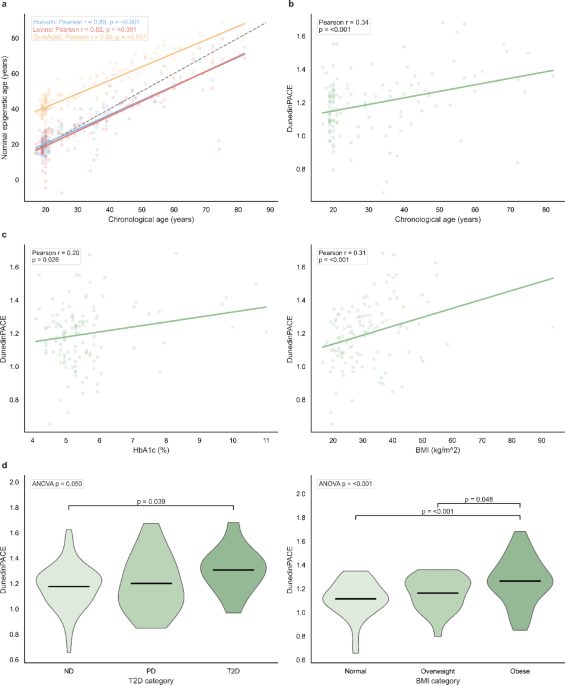
Researchers have identified a statistical link between the composition of the human gut microbiome and the pace of biological aging. A proof-of-concept study analyzing paired stool and blood samples from 123 participants found that microbial data can estimate biological age acceleration independent of chronological age.
The team developed machine learning models, termed "EpiBiome," to predict epigenetic age acceleration. While traditional epigenetic clocks like Horvath, Levine, and GrimAge2 showed no predictive signal from microbial data, the model targeting DunedinPACE reached statistical significance. At the species level, the model achieved an R2 of 0.152 and a permutation p-value under 0.001.
Analysis of the species-level model highlighted specific bacterial contributors to aging trajectories. Bifidobacterium adolescentis emerged as the dominant predictor of decelerated aging. Conversely, Succinivibrio dextrinosolvens showed the strongest association with accelerated biological aging.
The data was drawn from the Hawaii Social Epigenomics of Early Diabetes study conducted between 2021 and 2023. The cohort of 123 adults had a mean chronological age of 31.7 years and a mean body mass index of 31.2. Researchers caution that these findings serve as hypothesis-generating candidates for mechanistic follow-up rather than immediate individual-level diagnostic markers.
Market implications
For European markets, this research underscores the growing commercial viability of the microbiome-epigenetic axis. The continent hosts a dense cluster of longevity and biotechnology firms seeking actionable biomarkers for age-related physiological decline.
Investors have increasingly backed microbiome-focused diagnostics, viewing them as a frontier for managing chronic conditions. Prior animal studies have already reported decreases in age-acceleration following fecal microbiota transplants to correct aging-associated dysbiosis.
As machine learning tools become more adept at capturing complex relationships within microbial data, the pathway from aging research to commercial health applications is narrowing. European biotech developers will likely monitor these specific microbial taxa as potential targets for future interventions aimed at modulating the pace of aging.