Microsoft urges EU to adapt AI rules as data centre footprint grows

Microsoft’s AI responsibility chief has urged Europe to update its regulatory approach and redefine AI sovereignty, warning that the global digital divide is widening just as the continent grapples with the economic and environmental costs of new data centres.
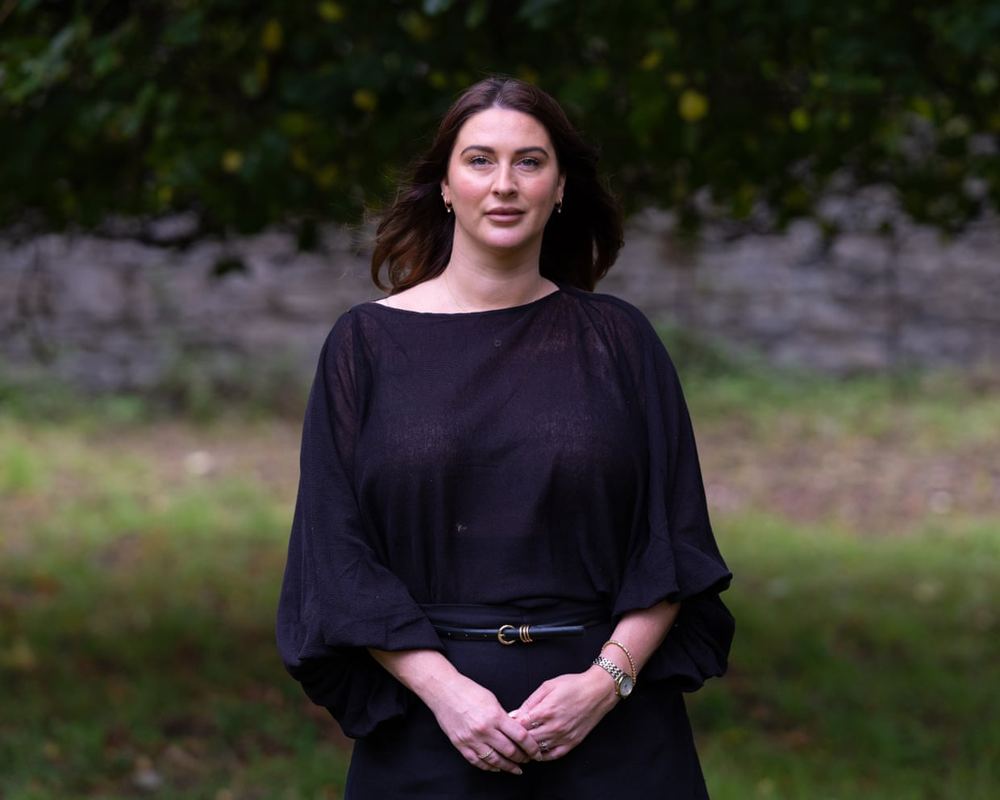
Microsoft’s chief AI responsibility officer, Natasha Crampton, has called on European regulators to remain flexible and internationally connected, arguing that true AI sovereignty does not mean building closed, localised tech ecosystems. Speaking at the UN AI for Good Summit in Geneva, she warned that “we cannot let the digital divide become an even greater AI divide.”
Her comments come at a critical juncture for Europe's tech sector. Recent US moves, such as Anthropic briefly banning non-US citizens from using its most powerful models, Mythos and Fable, have fuelled demands for technological independence across the continent. However, Crampton pushed back against the idea of isolation, stating: “It’s about making sure that local impact, local cultures, values, and norms are prioritised in these systems, while taking advantage of global technology where possible.”
For European policymakers, this means easing the regulatory lag between technological advancement and enforcement. Crampton praised the European AI Office for building ties with testing institutes in the US, UK, and Canada. “We need regulatory regimes to adapt alongside and with that change and ideally reduce the lag that we sometimes see between what society expects of regulators, where the technology is at and where the regulation is sitting,” she said.
Beyond regulation, the physical footprint of AI is creating friction for European communities. Addressing growing backlash over data centre construction, Crampton outlined a "community-first" approach. Instead of seeking traditional corporate tax breaks, Microsoft is actively working to expand local tax bases to fund schools and public infrastructure.
The company is also attempting to mitigate the strain on regional utilities. Heavy computing demands risk driving up household electricity rates and draining water supplies. To counter this, Microsoft is deploying advanced technology like closed-loop cooling systems. “We want to be good neighbours,” Crampton said, noting the company is taking steps ahead of rivals to offer these commitments.
Bridging the global tech gap requires practical infrastructure too. Crampton highlighted the Lingua project, a European initiative that has expanded to Africa in partnership with the Gates Foundation, Google.org, and the Masakhane African Languages Hub. The effort collects local-language data to ensure foundational models grasp cultural nuances, rather than defaulting to dominant languages.
Finally, she stressed the need for unified global governance mechanisms, pointing to the UN's first Global Dialogue on AI Governance held in early July. Crampton argued that creating "connective tissue" between international bodies is crucial to avoid duplicative efforts. As one example, she cited a "digital emblem" developed with the ICRC and the UN's ITU agency, designed to legally shield hospitals and aid workers from cyberattacks on cloud and logistics platforms.