Eight years after failed coup, Turkey retains centralized power
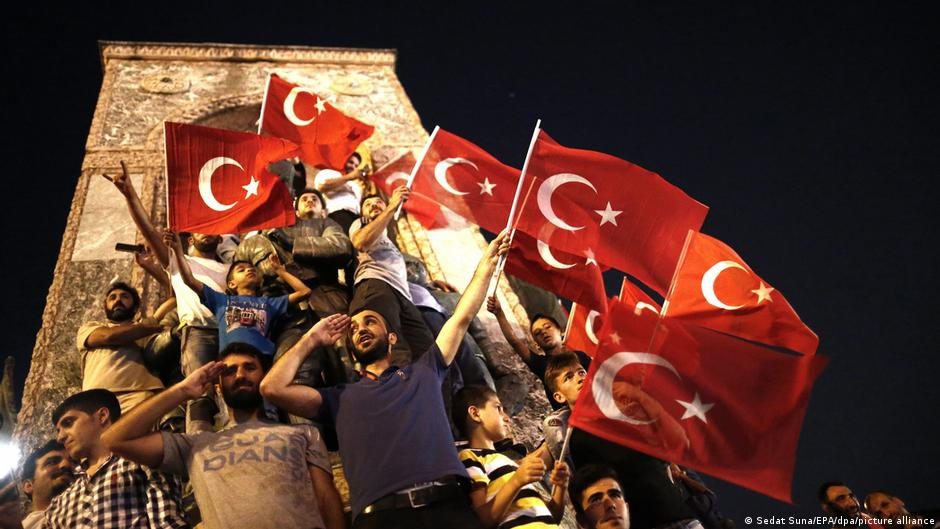
The failed 2016 Turkish coup triggered a two-year state of emergency that purged over 125,000 civil servants and permanently centralized executive power, creating a public administration driven by political directives rather than professional expertise.
Eight years after tanks rolled through Ankara and Istanbul on July 15, 2016, the failed Turkish coup attempt remains the defining pivot of the country’s modern governance. The overnight uprising, which left 253 people dead according to official figures, was swiftly crushed after President Recep Tayyip Erdogan called citizens into the streets. Today, the date is a national holiday, and the former Bosphorus Bridge has been renamed the "Bridge of the Martyrs of July 15."
The government blamed the attempted overthrow on the Gulen movement, a network founded by cleric Fethullah Gulen, who died in US exile in 2024 at age 83. Gulen and his followers denied any involvement in the coup. However, the state's response fundamentally reshaped Turkey's public sector and institutional landscape.
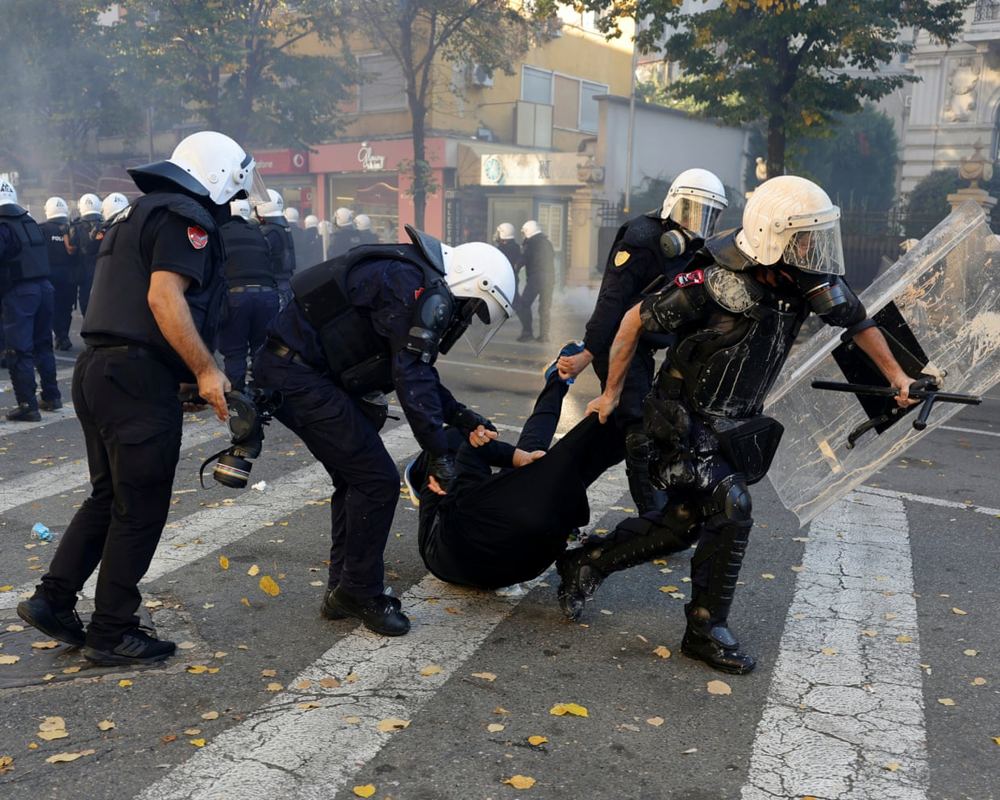
Six days after the coup, parliament approved a state of emergency that lasted until July 19, 2018. During those two years, the president issued 32 emergency decrees that purged the state apparatus. More than 125,000 civil servants and armed forces members were dismissed, approximately 390,000 people were detained or arrested by 2025, and 2,761 institutions, including media outlets and schools, were shuttered.
A centralized administration
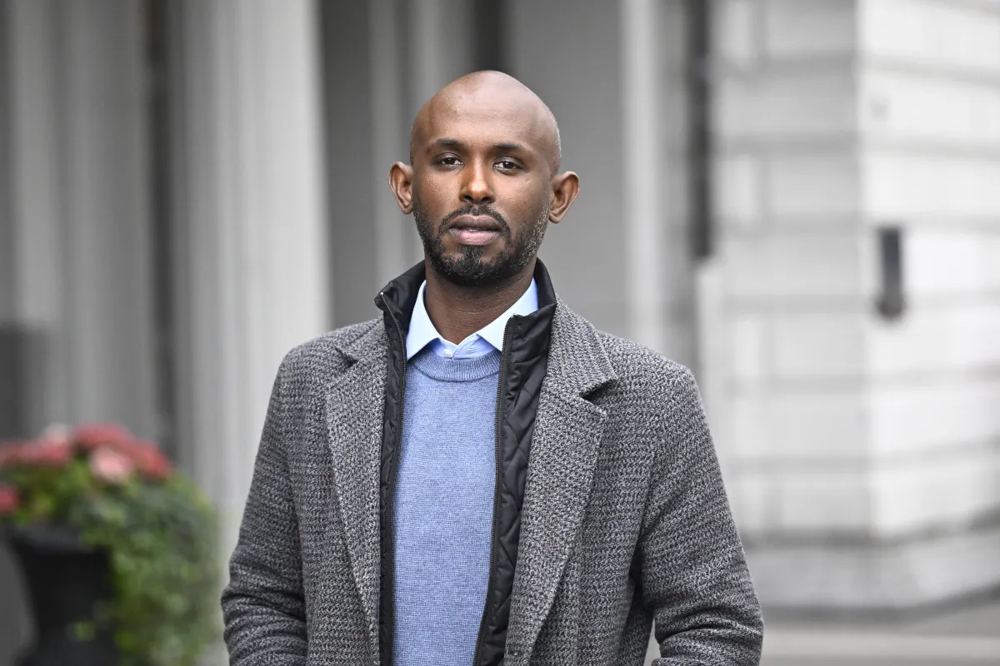
For European businesses and investors, the most enduring consequence of 2016 is not the arrests, but the permanent alteration of Turkey's public administration. Political scientist Ersin Kalaycioglu notes that while the emergency formally ended in 2018, its practices have "become institutionalized to a certain extent." The frequent use of decrees has produced what he terms an "extremely centralized structure."
This centralization has direct implications for how state policy is executed. According to Kalaycioglu, the Turkish bureaucracy has shifted from an apparatus guided by professional standards and scientific expertise into one that primarily implements political directives. Opposition parties allege this administrative overhaul was weaponized beyond the Gulen movement to target broader government critics.
The political turbulence also accelerated a constitutional overhaul. Backed by an alliance with the ultra-nationalist Nationalist Movement Party, Erdogan's Justice and Development Party pushed through a 2017 referendum that replaced Turkey's parliamentary system with a presidential one. The prime minister's office was abolished, and executive powers were heavily concentrated.
Kalaycioglu describes this as a fundamental regime change, characterizing the current system as "neopatrimonial sultanism," where key decisions depend largely on the president. Despite this centralization of power, the opposition Republican People's Party has found success in major cities, winning the Istanbul and Ankara mayoral races in both 2019 and 2024.
However, this opposition success exists under the shadow of ongoing legal pressures. Istanbul Mayor Ekrem Imamoglu, widely viewed as Erdogan's primary challenger, faces criminal prosecution and terrorism-related allegations following his 2024 re-election. Many other opposition politicians are similarly under investigation, highlighting the continued fragility of the political environment.