Cost of inaction rises as Portugal seeks urban climate shelters
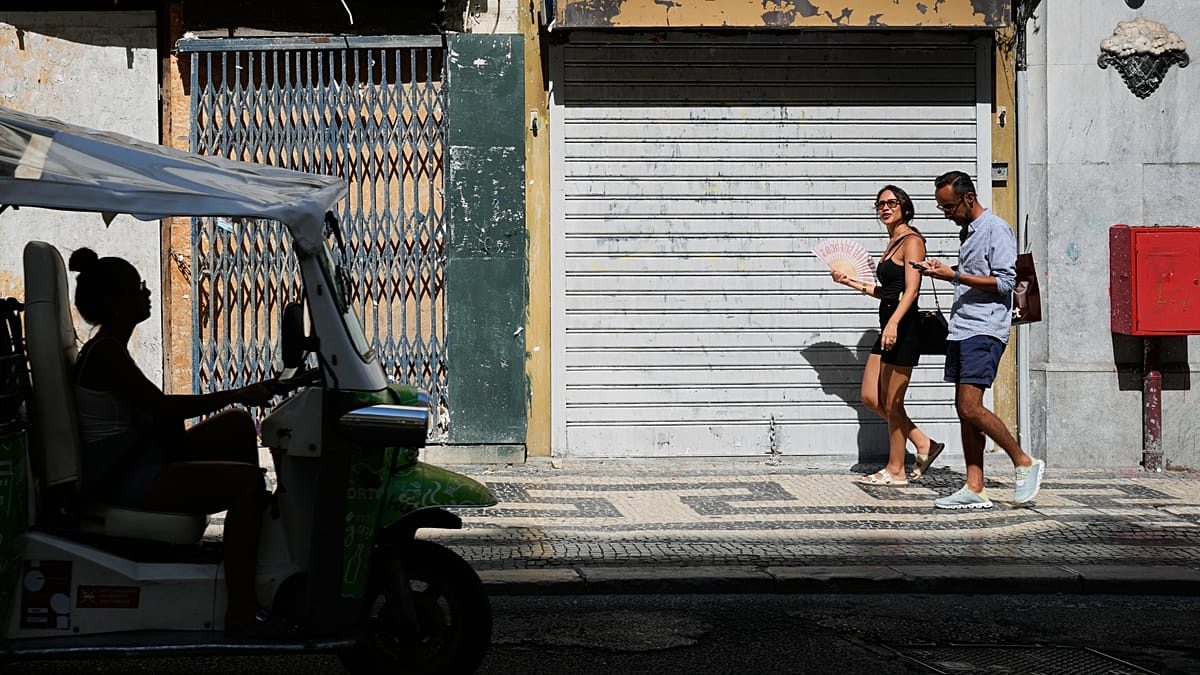
Environmental groups are pressuring Lisbon to create a national network of climate shelters, warning that the high upfront costs of urban adaptation are far lower than the mounting death toll and economic strain of extreme heat.
Twelve environmental organisations have delivered an open letter to the Portuguese government demanding a national network of climate shelters to protect citizens from unprecedented heat. The document, handed to the prime minister and key ministers on the European Day for Victims of the Global Climate Crisis, labels extreme heat a public health emergency.
The urgency is underscored by brutal early-summer statistics. Portugal recorded six heatwaves by early July 2026, matching the total for all of 2025 and pushing the year-to-date tally to 59 days of heatwave conditions. Across the continent, the heat has been lethal, with EuroMOMO data showing 10,650 excess deaths across 27 European countries in the final week of June alone.
In Portugal, the most recent July heatwave triggered approximately 539 excess deaths between July 2 and 8, according to the Death Certificate Information System. Hans Henri Kluge, the WHO regional director for Europe, warned that this is merely the beginning.
"This heatwave is a dress rehearsal," Kluge said.
Signatories including Zero, Greenpeace Portugal and WWF Portugal want municipalities to identify existing public and private spaces like libraries, parks and pools where residents can find shade or air conditioning. They are also pushing for faster building renovations and mandatory air conditioning in nurseries and care homes.
Implementing these measures faces significant hurdles. Francisco Ferreira, president of Zero, noted that municipal climate adaptation plans were legally required by February 2024 but remain incomplete. He cited a lack of technical capacity in smaller municipalities and competing political priorities.
Crucially, the structural changes required to retrofit Europe's building stock carry a high upfront price tag that deters local authorities. "The changes sometimes involved in climate adaptation are expensive. In the future they will work out cheaper, there is no doubt. They will improve the quality of life of residents and of everyone who uses the cities. But they require costly investment and are therefore often difficult for local authorities to approve," Ferreira said.
"Extreme heat is no longer a distant risk. It is a threat to public health, quality of life and the safety of our cities," the letter to the prime minister states. As the WHO warns of increasingly difficult summers ahead, the debate in Lisbon highlights a broader European challenge: finding the political will to fund expensive urban resilience now, rather than paying a higher price later.
"It is inevitable that we have to look not only at cutting greenhouse gas emissions, which we call mitigation, but also, of course, at adaptation," Ferreira said.