Suspected Kremlin disinformation targets German state elections
Anti-Kremlin activists and German lawmakers suspect a Russian influence operation is spreading fake news to help the far-right AfD win regional elections, threatening to destabilise Europe's largest economy.
Coordinated disinformation campaigns targeting mainstream German political parties have appeared on social media ahead of hotly contested regional elections next month. Anti-Kremlin activists and lawmakers suspect Moscow is behind the operation, aiming to inflame regional divisions and boost the far-right Alternative for Germany (AfD).
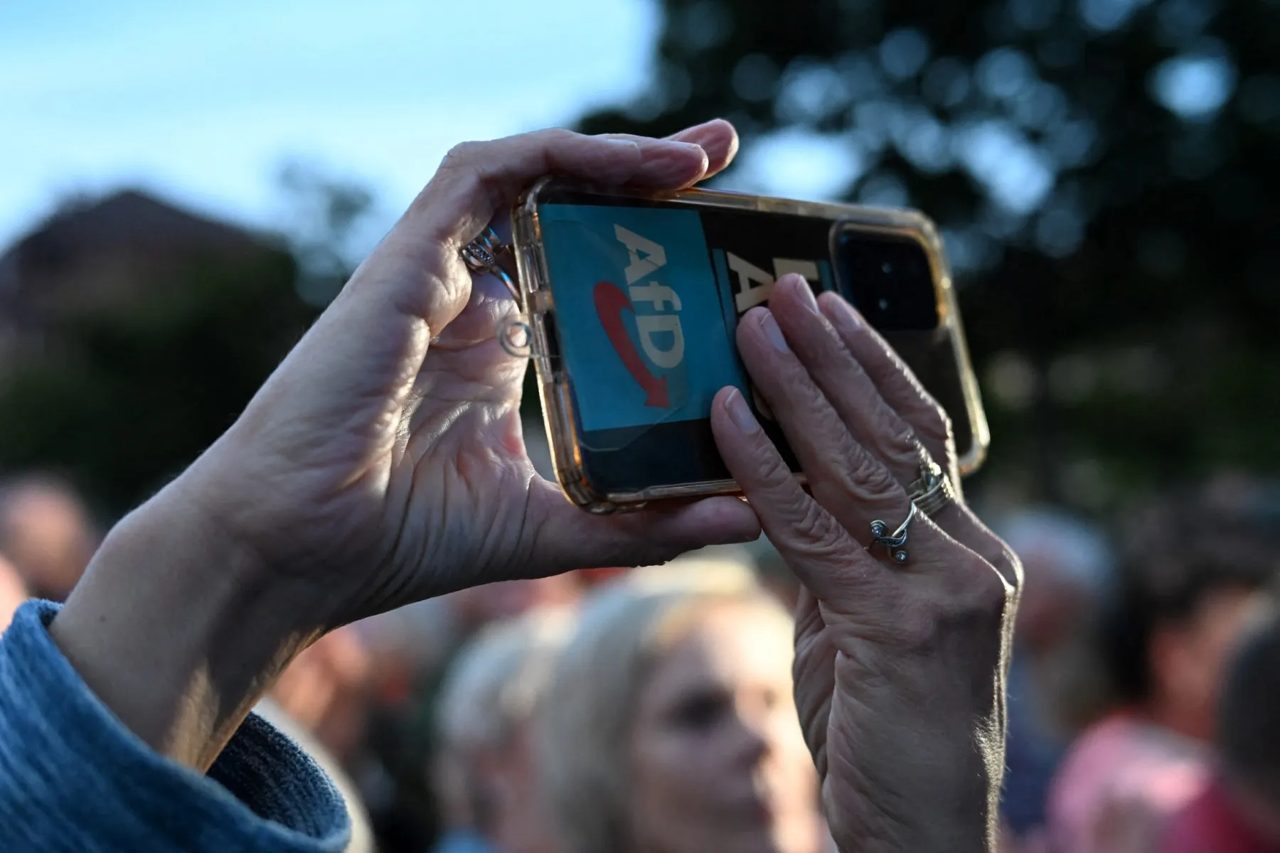
The campaigns were detected in June and July across X, TikTok and Bluesky by the group Antibot4Navalny. They involved fake versions of leading German media outlets like ARD and Deutsche Welle, which falsely accused politicians of corruption and sex offences. The AfD and the far-left BSW were the only parties not targeted.
Antibot4Navalny linked the activity to Matryoshka, a known Kremlin influence operation. "We have been monitoring Matryoshka on a daily basis for about two and a half years," an activist told AFP, adding that while there is no irrefutable proof, "there is no other plausible explanation".
The stakes are high for Europe's largest economy. The AfD is topping polls in Saxony-Anhalt and Mecklenburg-Western Pomerania ahead of votes on September 6th and 20th. A victory would give the anti-immigrant, pro-Russian party control of a regional government for the first time since 1945, dealing a heavy blow to Chancellor Friedrich Merz's unpopular coalition.
A weaponised economic narrative
The AfD's appeal in the former East Germany is partly rooted in economic grievance. The party advocates stopping the spending of billions on Ukraine and immigrants, arguing Germany should resume buying cheap Russian energy to revive its struggling economy. "Seeking a reasonable understanding with another country does not mean you're working for it," said Ulrich Siegmund, the AfD's top candidate in Saxony-Anhalt.
Lawmakers accuse Russia of weaponising this sentiment. Konstantin von Notz, vice-chair of parliament's intelligence oversight committee, said Russia and the far right "are sharing the work". "The narrative being spread from Russia into Germany, with a budget running into the millions, is then deliberately re-broadcast by the AfD in a targeted way," he said.
Despite the accusations, the German government has not announced counter-measures. The BfV domestic spy agency noted similarities with the Russian group but remained silent on specific action. Marc Henrichmann, chairman of the intelligence oversight committee, argued that a public crackdown could backfire. "If, by targeting a campaign, we end up giving it even more publicity, then, obviously, we will have made a mistake," he said.
The Russian embassy dismissed the claims as "ridiculous". Germany's ruling coalition has previously accused Moscow of waging a "hybrid" war of disinformation and sabotage against a country that has become Ukraine's leading military donor.