PFA camp uses app to market out-of-contract players
A new digital transfer list for free agents highlights the financial fragility of a football career outside the elite tier.
Forty-five out-of-contract footballers are attending a 12-week Professional Footballers' Association pre-season camp in Leicestershire. The initiative utilises a digital platform designed to streamline the transfer market for free agents.
The camp provides a competitive environment complete with medical, coaching and administrative staff, alongside seven or eight organised matches. "It's like a PFA transfer list - all our training data goes on it," said Will Keane, a 33-year-old striker at the camp. "Clubs can contact us directly, so hopefully if you go somewhere, you can go straight in."
This data-driven approach to player recruitment underscores the financial precariousness of professional football outside the sport's top tier. Free agents must often wait for market inefficiencies to create opportunities. "They might be looking for A, B and C targets, but when the season does start, if a club doesn't have a great start, there's a bit of panic and maybe things open up," Keane said.
Keane's career trajectory illustrates the severe economic impact of injuries on a player's market value. A major knee injury in 2012 stalled his transition from the Manchester United reserves to the first team. "If the injury had happened a couple of years later, I might have been an established squad player," he said.
Later, a 14-month ACL injury at Hull City coincided with the club's relegation. While teammates Harry Maguire and Andy Robertson secured transfers to Leicester and Liverpool, Keane's progression stalled. External macroeconomic shocks also disrupt this labour market; in 2020, the financial uncertainties of the Covid-19 pandemic prompted Ipswich Town to decline triggering a one-year option on Keane's contract.
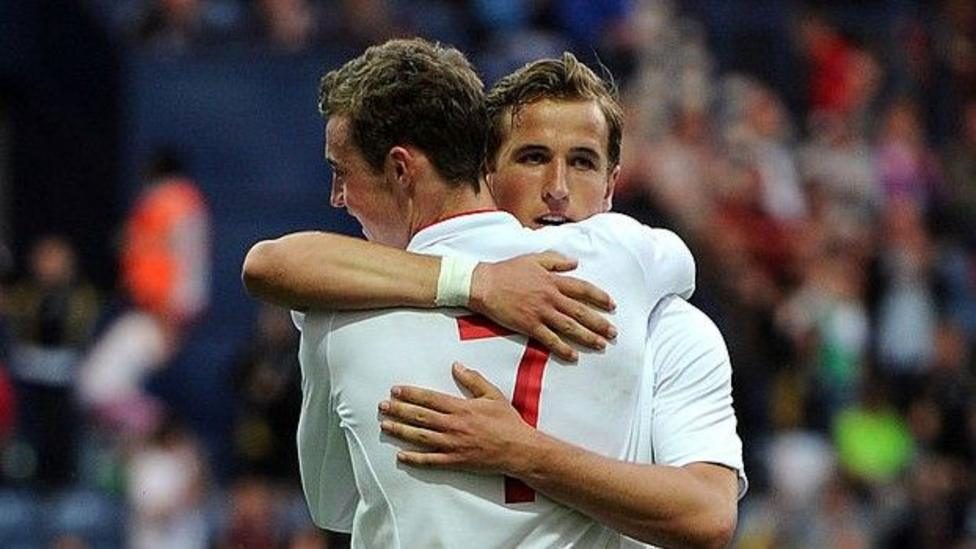
Now aiming for his ninth club, Keane's situation contrasts sharply with his former England Under-19 strike partner Harry Kane. Kane prepares for a World Cup semi-final against Argentina on 15 July, demonstrating how timing, injury and market structures dictate economic outcomes in European football.